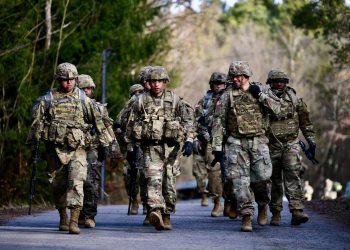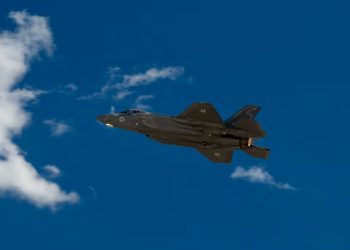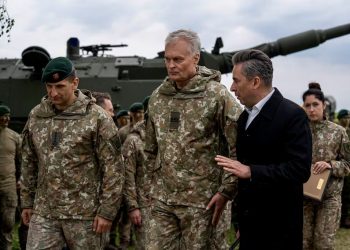


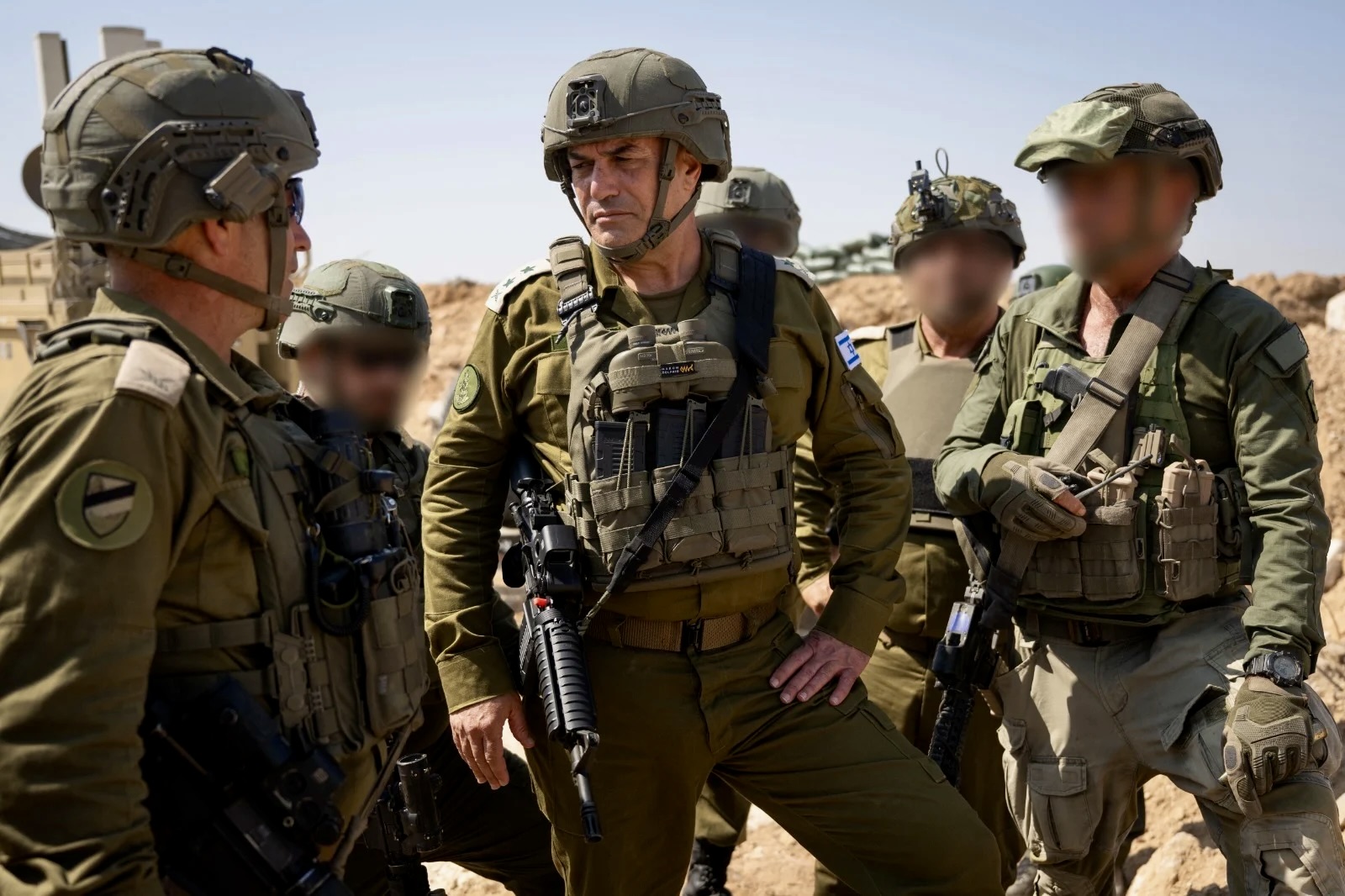
TEL AVIV (Realist English). With US‑Iran talks deadlocked, the Israeli leadership has stepped up preparations for a resumption of full‑scale hostilities. The Israel Defense Forces (IDF) have been placed on high alert, military intelligence is drawing up fresh target lists, and the air force is rehearsing attack scenarios.
According to Israeli sources, the probability of renewed war is now rated “50‑50”.
Military preparations: “ready for any scenario”
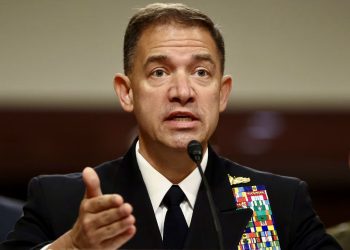
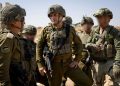
Chief of Staff Lieutenant General Eyal Zamir has ordered troops to be ready for a resumption of conflict “in the near future.” Military intelligence is rapidly compiling new target lists, while the air force is practising new attack scenarios.
According to The New York Times, the US and Israel are discussing three main scenarios:
- Intensified bombing – heavier strikes on military installations, energy infrastructure and the oil terminal on Kharg Island.
- Seizure of Kharg Island – a direct military operation to capture Iran’s key oil export hub.
- Commando landing – a ground operation to retrieve nuclear materials buried under the rubble of Iranian facilities. This option carries high risks and potential casualties.
Weapons purchases and funding
Israel is investing heavily in preparations for a protracted campaign:
- Emergency budget – $827 million for military procurement.
- Ammunition costs – $3.81 billion spent during the war.
- Total cost of the conflict for Israel has reached $7 billion.
- Air bridge – more than 1,000 tons of weaponry delivered by about 50 cargo aircraft.
- Domestic defence industry – the Defence Ministry has placed orders worth over $3 billion inside Israel to speed up ammunition production.
Official rhetoric hardens
- Defence Minister Israel Katz stated that the IDF is ready to resume combat, because “the mission has not been completed.” He stressed the need “to ensure that Iran no longer poses a threat” and announced plans to increase the intensity of strikes.
- Prime Minister Benjamin Netanyahu has repeatedly said that the war with Iran “is not over.” As the main reason he cites the presence of undeployed nuclear materials and Tehran’s ambition to produce ballistic missiles.
US‑Israel cooperation
The United States remains Israel’s main military patron:
- In early May 2026, the State Department approved the sale of about 12,000 BLU‑110A/B bomb bodies for $151.8 million.
- The Trump administration used emergency powers to expedite the bomb sale, bypassing Congress.
- For fiscal year 2026, Israel is scheduled to receive $38 billion in military aid.
- Netanyahu and Trump held a phone conversation, after which the Israeli prime minister convened an emergency security meeting. Coordination between the IDF and CENTCOM is running almost continuously.
Expert assessments
Experts agree that the failure of diplomacy is driving the US and Israel to prepare for a military option. Despite its losses, Iran has restored part of its missile potential and has not abandoned its nuclear programme. At the same time, Trump faces growing domestic political pressure – Republicans fear a protracted war ahead of the 2026 midterm elections.
Western analysts believe that a decision on a new, limited but painful strike could be taken “literally within days”.
Trump’s ultimatums and the IDF’s active preparation for a ground operation indicate that the negotiation process has reached an impasse.
Washington, coordinating its actions with Israel, is effectively giving a “green light” for new strikes on Iranian infrastructure. The outcome of the coming days will decide whether the region enters a new phase of all‑out war.