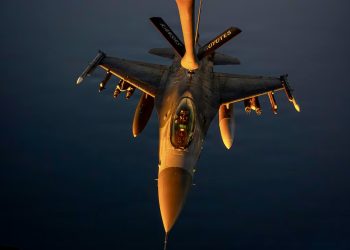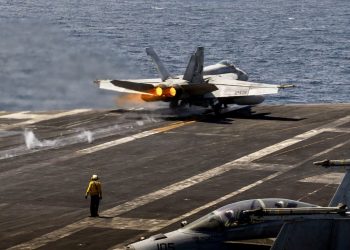


TEHRAN (Realist English). The United Arab Emirates launched dozens of airstrikes on Iranian territory in the early days of the US-Israeli war and after the April ceasefire, the Wall Street Journal reports.
Earlier reports had indicated Emirati involvement in attacks on Iran, but the new material reveals a much larger role than previously thought.
Coordination with the US and Israel
According to sources familiar with the operation, Israel and the United States provided intelligence for the strikes. Targets included Qeshm and Abu Musa islands in the Strait of Hormuz, the port city of Bandar Abbas, an oil refinery on Lavan Island, and the Asaluyeh petrochemical complex.
Israel also struck Asaluyeh, after which Washington asked Jerusalem to stop targeting energy facilities. That strike drew international backlash. The attacks on Iranian energy facilities were a response to Tehran’s strikes on UAE facilities.
The Emirates – Iran’s Main Target
According to data cited in the article, between February 28 and April 8 (when a fragile ceasefire took effect), Iran fired about 550 ballistic and cruise missiles and more than 2,200 drones at the UAE. Thus, the Emirates became the most targeted country in the region, including Israel. The UAE has also been attacked after the ceasefire, including a recent strike on a nuclear power plant.
Gulf Rift and Rapprochement with Israel
The scale of the Emirati response heightened tensions among Gulf countries, particularly between Saudi Arabia and the UAE. Riyadh pressured Washington to make Abu Dhabi halt the strikes and join diplomatic efforts. The Saudis were concerned about attacks on regional oil facilities and their global economic fallout.
At the same time, the conflict with Iran has deepened ties between the UAE and Israel. Abu Dhabi received an Israeli Iron Dome battery with crews, and according to sources, dozens of Israeli troops remain stationed in the Emirates.
Several senior Israeli officials reportedly visited the UAE during the war. Prime Minister Benjamin Netanyahu claimed he was among them, though Abu Dhabi denied this.
Israel and the UAE established diplomatic, economic and security ties in 2020 under the Abraham Accords, driven in large part by the shared threat from Iran.
Secret Base in the Iraqi Desert
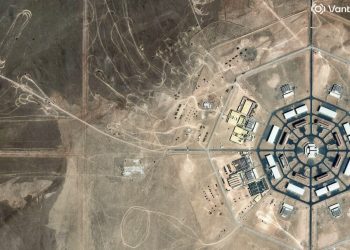
On May 9, the Wall Street Journal revealed the existence of a secret Israeli military base in the western desert of Iraq, built before the official start of the conflict.
Functions of the base. The facility was used as a logistics hub for the Israeli Air Force and as a base for special forces that could operate behind enemy lines. Search‑and‑rescue teams were also stationed there in case pilots were shot down over Iranian territory.
Nearly discovered. In early March, Iraqi forces nearly discovered the outpost after receiving a tip from a local shepherd. Iraqi soldiers who arrived in Humvees came under heavy fire. The Iraqi authorities had to send additional units, which found traces of recent military activity. Baghdad subsequently filed a complaint with the UN.
Israel’s Continued Operations
Nearly two months after the fragile ceasefire between the US and Iran began, Israel continues to conduct active military operations on both Iranian and Lebanese soil. Tel Aviv, without waiting for a final diplomatic agreement, is using every opportunity to weaken the enemy’s military infrastructure, eliminate key figures, and dismantle the nuclear program.
On May 9, it became known that Netanyahu had demanded that the US include a clause in any agreement with Iran providing for the complete and unconditional dismantlement of the nuclear program. Options for striking Iranian energy facilities are also being discussed.