

TEHRAN (Realist English). Two diplomatic tracks in the Middle East — US‑Iran negotiations and the Lebanon‑Israel settlement — have once again entered a zone of turbulence.
While Washington and Tehran exchange draft agreements, and Tel Aviv promises and delivers strikes on Lebanon, the key obstacle to progress remains Israel’s position. According to analysts, Israel is deliberately sabotaging diplomacy in an attempt to drag the United States into a direct confrontation with Iran.
United States and Iran: A Contradictory Track
The negotiation process between the US and Iran shows polar opposite assessments of prospects. While the White House speaks of an imminent deal, Tehran insists on linking it to the situation in Lebanon.
Contradictions in rhetoric
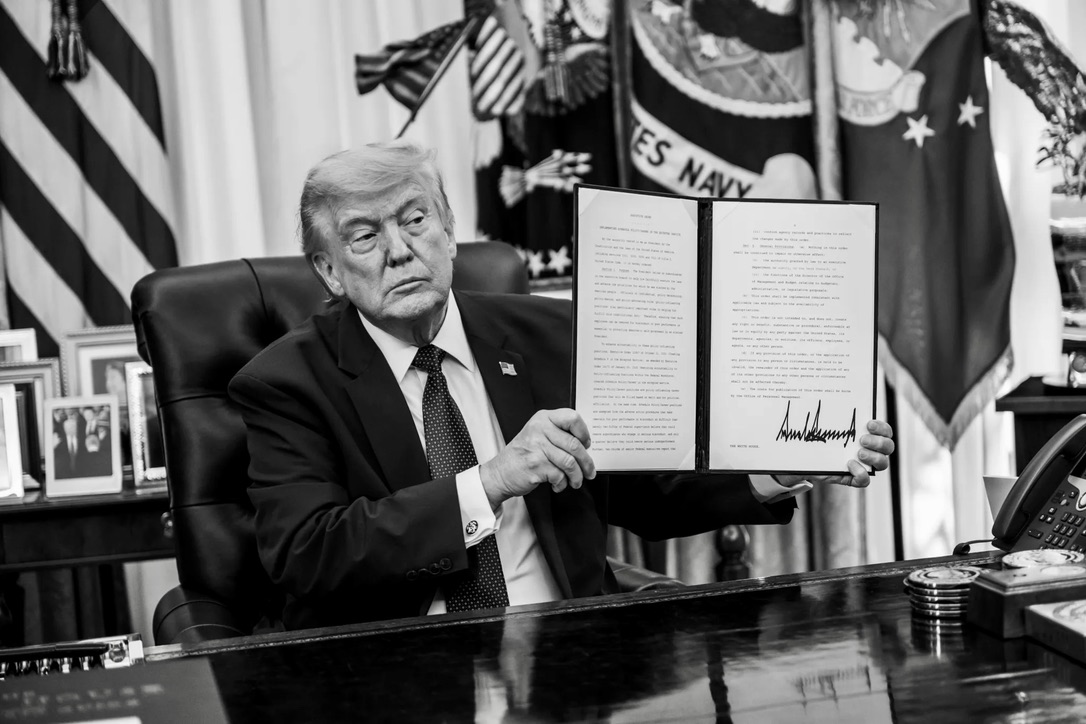
- Washington insists on a quick deal. On June 3, President Donald Trump stated that the negotiations are going “very well” and could succeed as early as the weekend, also expressing readiness to meet with Iran’s new Supreme Leader Mojtaba Khamenei if a deal is reached. Secretary of State Marco Rubio also expressed confidence that talks could resume and lead to a nuclear agreement in the coming days, noting that Iran has for the first time agreed to discuss aspects of its nuclear programme.
- Tehran projects a pragmatic position. Iranian Foreign Minister Abbas Araghchi confirmed that contacts have not been broken off, and the parties are “studying the texts previously exchanged with the American side and working on the final version of the document.” However, he also stated that there is “no tangible progress.” Iranian Foreign Ministry spokesman Esmaeil Baghaei said that diplomacy is “no substitute for force” and that negotiations are taking place in an atmosphere of “deep mistrust.”
Iran’s demands
The main stumbling block is Tehran’s demand to link the fate of the negotiations to an end to Israeli military actions in Lebanon and Gaza.
- Key condition. As early as June 1, Iranian sources reported that “there will be no dialogue with the US” as long as the fighting in Lebanon continues. Parliament Speaker Mohammad Baqer Ghalibaf, in a conversation with his Lebanese counterpart, stressed that any agreement to end regional hostilities must include an end to military operations against Lebanon, and that continuation of crimes will force Iran not only to suspend negotiations but also to stand up against Israel.
- Position of the Iranian Foreign Ministry. Araghchi stated: “A ceasefire between Iran and the US is unequivocally a ceasefire on all fronts, including Lebanon. Its violation on one front is a violation of the ceasefire on all fronts.”
Parallel military actions
Against the backdrop of negotiations, the sides continue to exchange military strikes.
- Iranian attacks. In early June, Iran struck Kuwait’s civilian airport using missiles and drones, causing casualties.
- US responses. In response, the US military struck an Iranian drone command and control post on Qeshm Island in the Strait of Hormuz.
The Israel‑Lebanon Front: Escalation and Attempts at a Ceasefire
US attempts to establish dialogue between Israel and Lebanon have run into serious difficulties, primarily because of Hezbollah’s position.
Failure of the new US initiative
- Terms of the deal. The US administration proposed a “gradual de‑escalation” plan to the parties, which includes the creation of “pilot zones” in southern Lebanon where control would be transferred to the Lebanese army without the presence of any non‑state armed groups.
- Hezbollah rejects the deal. The group’s leader, Naim Qassem, called the US proposal “absurd” and demanded a full withdrawal of Israeli troops. The group also made it clear that it does not accept a “partial ceasefire,” and its deputy head of the political council, Mahmoud Qamati, promised that any aggression against the southern suburbs of Beirut would be met with a “deeper and stronger response.”
- A questionable agreement. Despite US statements that the parties had reached a ceasefire agreement, clashes on the ground have not stopped.
Military actions
- Casualties and destruction. The Israeli military operation in Lebanon, which began on March 2, has resulted in numerous casualties. According to the Lebanese Ministry of Health, as of June 5, at least 3,526 people have been killed and 10,733 wounded.
- Israel’s goals. Officially stating the need to ensure security on its northern borders, Israeli forces continue to strike not only military targets but also civilian infrastructure, having captured strategically important areas in southern Lebanon.
Israel’s Foreign Policy in the Context of the Iranian Track
Left out of the direct dialogue between Washington and Tehran, Israel is trying to regain influence over the process by using the Lebanese front.
On the brink of conflict with the US
The Israeli leadership has found itself in an unprecedented confrontation with its main ally, after President Trump in a phone call demanded that Prime Minister Benjamin Netanyahu wind down the military operation in Lebanon, which is threatening US‑Iran negotiations.
Nuclear card and readiness for a new war
Despite diplomatic isolation, Israel does not intend to give up, using the threat of force.
- Demands for a nuclear deal. Netanyahu has publicly set tough “red lines” regarding Iran’s nuclear programme: dismantling infrastructure, removing enriched uranium, and resolving the missile issue.
- Ready for war. In Israel, a military scenario is being actively discussed, including a possible strike on the nuclear facility in Isfahan and even a full‑scale ground operation.
Political manoeuvre or derailment of negotiations?
Analysts agree that the escalation in Lebanon is not just a military necessity but a deliberate attempt by Netanyahu to sabotage US‑Iran negotiations. According to his logic, strong pressure is the only way to force Iran to make concessions, and a deal with the US made behind Israel’s back directly threatens Israel’s national security.
Conclusions as of June 5
- US‑Iran negotiations are in a critical phase, where Washington’s public optimism clashes with Tehran’s pragmatic demands, the main one being an end to the Israeli military campaign in Lebanon. Against the backdrop of diplomatic failures, Tehran does not rule out introducing a fee for ships passing through the Strait of Hormuz as an alternative tool of pressure, to formalise its control over the waterway.
- The Israel‑Lebanon front remains the main obstacle to diplomacy. The failure of another US ceasefire initiative and Hezbollah’s tough stance show that the conflict in southern Lebanon could continue indefinitely.
- The Israeli leadership demonstrates its intention to use the Lebanese front as a tool to influence US‑Iran negotiations. With its actions, Netanyahu is challenging Washington, risking provoking a serious diplomatic crisis.