TEHRAN (Realist English). Iran has concluded that a protracted conflict with the United States is preferable to a diplomatic settlement.
As Mohammad Ayatollahi Tabaar, Professor of International Affairs at Texas A&M University’s Bush School of Government and Public Service, a Fellow at Rice University’s Baker Institute, a Nonresident Fellow at Harvard Kennedy School, and a Nonresident Scholar at the Carnegie Endowment, writes in his article for Foreign Affairs, the Islamic Republic intends to fundamentally change the nature of its interaction with Washington and its allies, aiming to become a pole in a multipolar world.
War, Tehran believes, helps achieve this goal.
Failed Negotiations and a New Strategic Course
For the last two months, Iran and the United States have conducted chaotic and unsuccessful peace negotiations. After reaching a very shaky ceasefire agreement in early April (April 8, 2026), officials from both countries exchanged long-term proposals only to reject them later, and launched drone and missile strikes at each other.
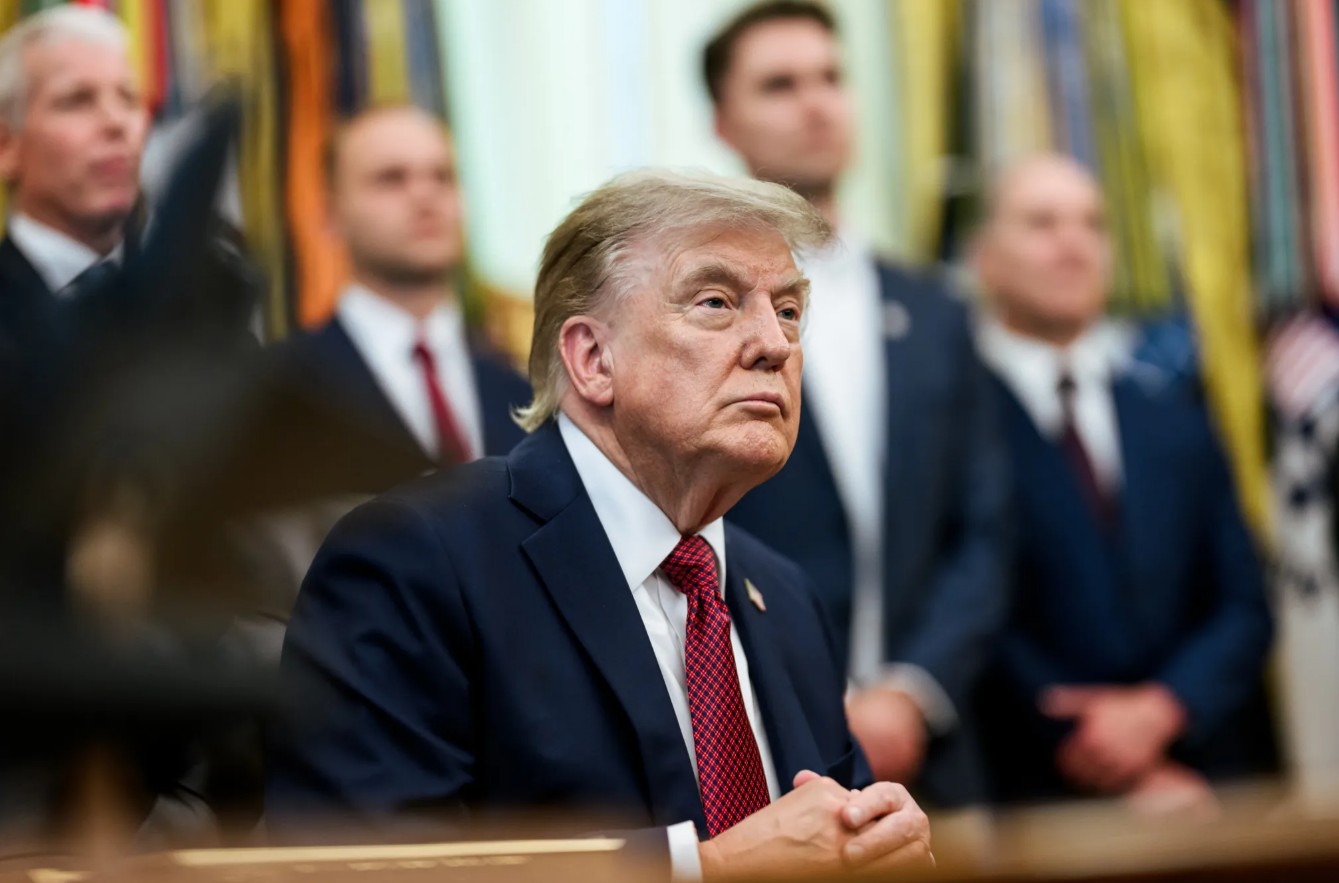
On June 1, President Donald Trump, commenting on reports that Iran was breaking off talks, said: “I don’t care if they’re over, honestly. They started to get very boring.”
Even if some kind of agreement is reached in the coming months, Iran and the United States will remain locked in a broader conflict. The reasons:
- Insurmountable differences. Washington demands the complete dismantlement of Iran’s nuclear program, surrender of all enriched uranium, an end to support for regional allies, and the reopening of the Strait of Hormuz. Tehran refuses to give up enrichment and will consider other demands only after the US recognizes its control over the strait, compensates for wartime damages, ends Israel’s war in Lebanon, and unfreezes Iranian assets.
- War as a tool of empowerment. Iran believes the conflict increases its international influence: strikes on Arab countries hosting US forces have driven a wedge between Washington and its Gulf partners; closing the Strait of Hormuz has forced many countries to reckon with Tehran; and previous agreements with the US have always fallen apart.
Shift in the Internal Balance of Power Toward Hawks
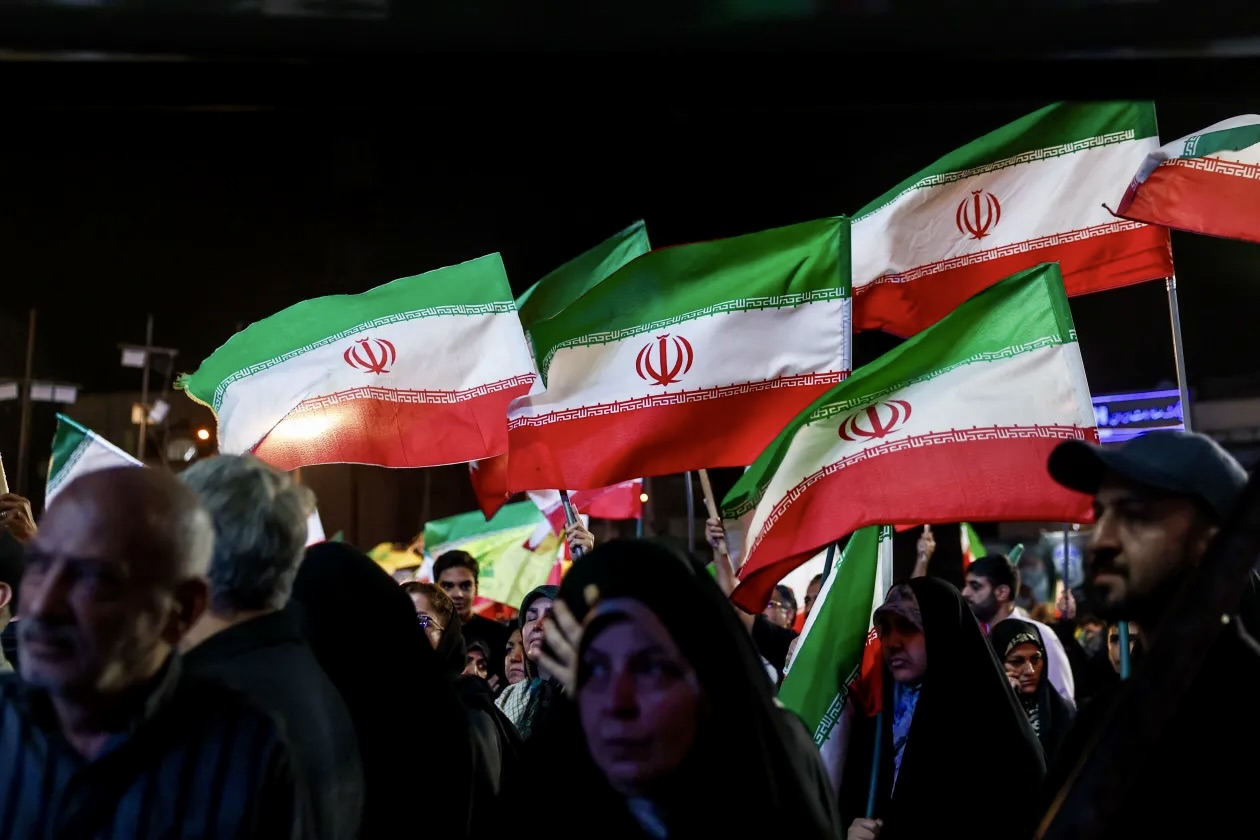
Following the assassination of Supreme Leader Ayatollah Ali Khamenei and the devastating US and Israeli strikes on February 28, 2026, cautious voices in Iran have either fallen silent or joined the hard‑line camp. The country is now firmly controlled by “hawks” who feel vindicated by the war’s outcome.
They had threatened for decades to close the Strait of Hormuz but were restrained by pragmatists fearing retaliation. When Tehran finally followed through, many Iranian elites and citizens applauded the move.
How War Has Changed the World’s Perception of Iran
Closing the strait and striking infrastructure produced immediate results:
- Arab countries, fearing economic catastrophe, are pressing the US for peace.
- Asian countries, desperately needing Persian Gulf oil and gas, are pleading with Iran to ensure safe passage for their ships.
- European leaders have taken a more conciliatory stance. German Chancellor Friedrich Merz, who had previously praised Israel for doing the “dirty work” against Iran, distanced Berlin from the operations and stated that Tehran had “humiliated” Washington. French President Emmanuel Macron ruled out any military deployment to the region. Norway’s deputy foreign minister even visited Tehran in search of a resolution.
Economic Pressure as a Double‑Edged Sword
Closing the Strait of Hormuz (through which a significant share of oil and gas passes) has allowed Iran to eliminate a decades‑long asymmetry in economic warfare. Previously, the US could use sanctions and the dollar to block Iran’s access to the global economy, while Tehran could do almost nothing in response.
Now, American consumers are feeling pain at the gas pump and grocery store, and Iranian leaders hope this will force Trump to ease sanctions enforcement. Moreover, countries around the world are forced to seek bilateral arrangements with Iran to bypass US sanctions.
Tactical Disagreements Within Iran’s Leadership
Although elites agree on the need to confront Washington, there are disputes over methods. Some politicians believe Iran has been too restrained in the post‑ceasefire period and should attack US soldiers directly and continuously – only “body bags” will force Washington to recalculate the cost of conflict.
Others insist on defending Hezbollah in Lebanon and striking US assets to force Washington to rein in Israel.
There are also debates about how to combine military pressure with selective diplomacy. These debates play out openly on state television, and with each new round of failed negotiations, public support for diplomacy becomes increasingly costly.
Voices Against: The Risk of Over‑Escalation
Some politicians in Iran warn that the leadership is overplaying its hand. They fear that continued disruption of global energy markets may unite the world against Tehran rather than Washington; that the US retains unused tools, including cyberattacks, that could prove far more paralyzing; and that renewed fighting could inflict decades of damage on Iran’s infrastructure (the war has already devastated Iran’s steel, gas, and petrochemical industries, causing acute shortages).
However, the leadership believes these risks will persist even if it tries to reach a “grand bargain,” and that compromise would only weaken Iran – especially since previous US and Israeli attacks (in June 2025 and February 2026) occurred in the midst of negotiations.
Forever War as the New Normal
Iran has adopted Washington’s own model: be unpredictable, negotiate only from a position of strength, demand major concessions while offering very few of its own. The result is a zero‑sum dynamic that makes true peace nearly impossible.
The world is likely to settle into a new normal: the US maintains a blockade of Iran, Iran maintains a blockade of the strait, and the sides constantly engage in skirmishes or return to outright conflict.
For Iran’s 90 million residents, this means a continued collapse in living standards. For billions of people around the world who depend on the Strait of Hormuz – shortages of oil, gas and fertilizers.
But for the Iranian regime, this is acceptable: it remains functional, cohesive, has proven its ability to withstand extreme pressure, and most importantly, has proven that it can single‑handedly weaken the global economy – and thus, that it is a force to be reckoned with.