LONDON (Realist English). An investigation by The New York Times, published on May 28, has cast doubt on Israel’s decades-long rhetoric about the “Iranian threat.”
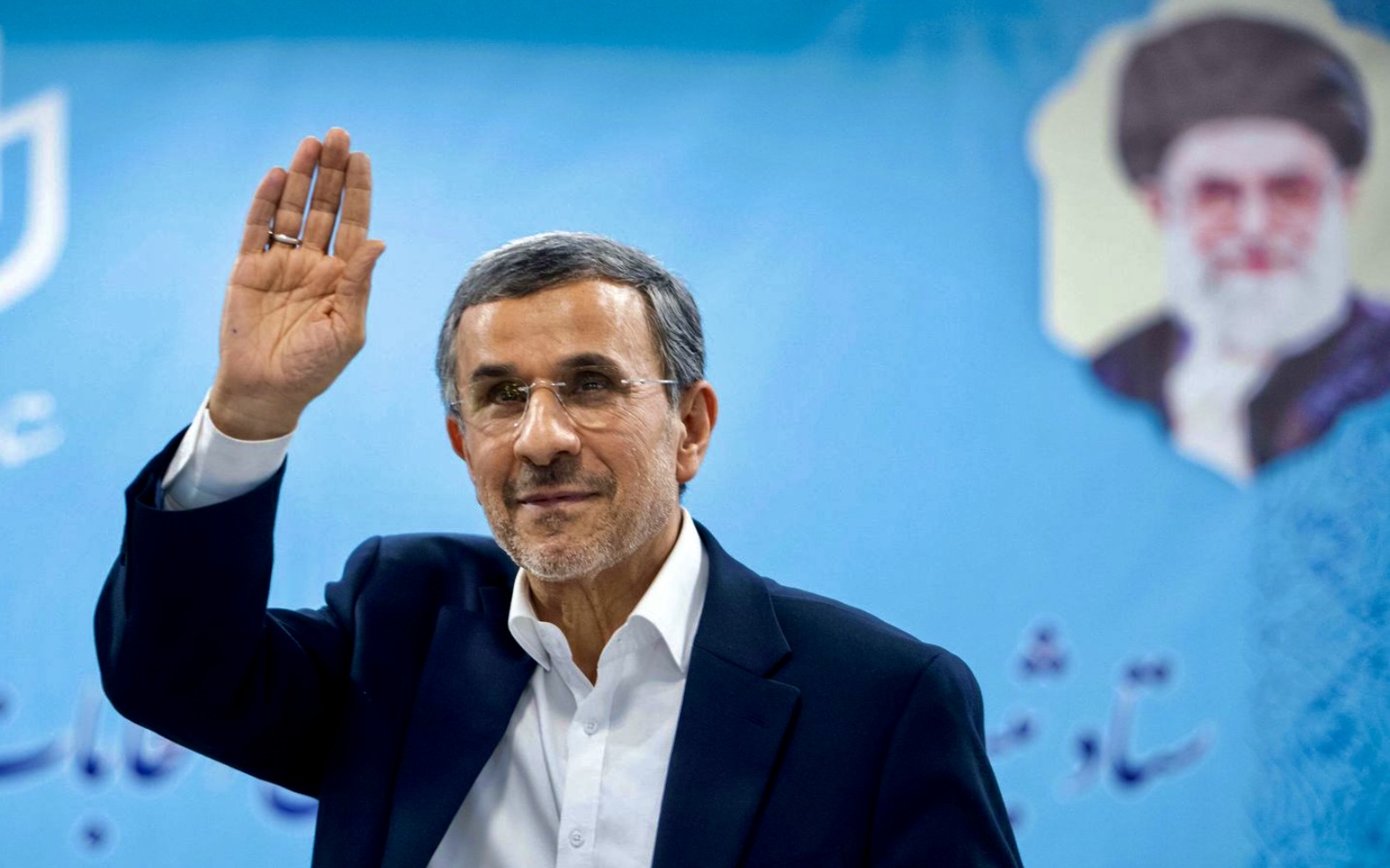
According to the newspaper, Israeli Prime Minister Benjamin Netanyahu proposed to the administration of Donald Trump a plan for regime change in Iran that included the assassination of Supreme Leader Ayatollah Ali Khamenei and bringing former President Mahmoud Ahmadinejad to power.
This information is analyzed by British journalist Jonathan Cook, author of books on the Israeli-Palestinian conflict.
The “Audacious” Plan: Kill Khamenei, Free Ahmadinejad
As The New York Times reports, citing informed sources, Netanyahu proposed to Washington a scheme for “rapid regime change” in Iran following a short “shock and awe” bombing campaign. Under the plan, Israeli forces were to eliminate Ayatollah Khamenei, then strike the guards holding former president Ahmadinejad under house arrest, allowing him to take power.
According to the publication, Ahmadinejad was consulted beforehand. However, during the Israeli strike near his home, he was wounded, after which — fearing for his life — he went into hiding. His current whereabouts and state of health remain unknown. US and Israeli officials have declined to comment on this information.
The Evolution of Ahmadinejad’s Image: From “Psychopath” to Potential Ally
Jonathan Cook draws attention to the sharp shift in the Israeli prime minister’s rhetoric toward the Iranian politician. In 2006, as opposition leader, Netanyahu called Ahmadinejad a “psychopath of the worst kind,” compared him to Hitler, and claimed that “Iran is Germany 1938.” He called for the Iranian president to be brought before the International Criminal Court for incitement to destroy Israel.
Cook reminds us that these accusations were based, in particular, on a widely circulated claim by Western media that Ahmadinejad had called for Israel to be “wiped off the map.” According to a number of linguists and analysts, this phrase was an inaccurate translation of a quote from Ayatollah Khomeini, who spoke of the inevitable disappearance of “the regime occupying Jerusalem,” by analogy with the collapse of the USSR or the fall of apartheid in South Africa.
The Author’s Position: Criticism of Israeli Propaganda
Jonathan Cook, whose point of view does not necessarily coincide with the editorial policy of Realist English, argues that the exposure of the plan to install Ahmadinejad — a man previously demonized by Israeli leadership — undermines confidence in years of claims about a “mortal threat” from Tehran. “Image and reality bear almost no resemblance to each other,” writes Cook, describing the former information policy as “smoke and mirrors.”
In Cook’s opinion, the threat to security in the region comes not only from the Iranian leadership but also from the actions of Israel and the United States, which, as he puts it, have unleashed a “criminal, aggressive war.”
At the same time, the journalist notes that Tehran has shown restraint and a willingness to negotiate in recent months, although it has expressed dissatisfaction with the lack of “responsible partners” on the other side.
Who Is Ahmadinejad?
Mahmoud Ahmadinejad is an Iranian politician, the sixth President of the Islamic Republic of Iran (2005–2013). He was born on October 28, 1956, in the village of Aradan, Semnan province. He is a transportation engineer by education, having graduated from Tehran University of Science and Technology.
Before his presidency, he served as Mayor of Tehran (2003–2005). After completing his presidential term, he faced criticism from the religious-political establishment and spent some time under effective house arrest. In May 2026, according to Western media, he was wounded during Israeli strikes and went missing.