MOSCOW (Realist English). On the eve of the elections to the State Duma of the IX convocation, which will be held from September 18 to 20, 2026, the country’s largest parliamentary parties have held pre-election congresses, approved candidate lists and policy documents.
United Russia and the CPRF, which maintain dominant positions in the political field, have outlined fundamentally different approaches to the upcoming campaign, while other parties — from the LDPR to Yabloko — have already entered the race for Duma seats.
United Russia: Congress, Lists and Presidential Support
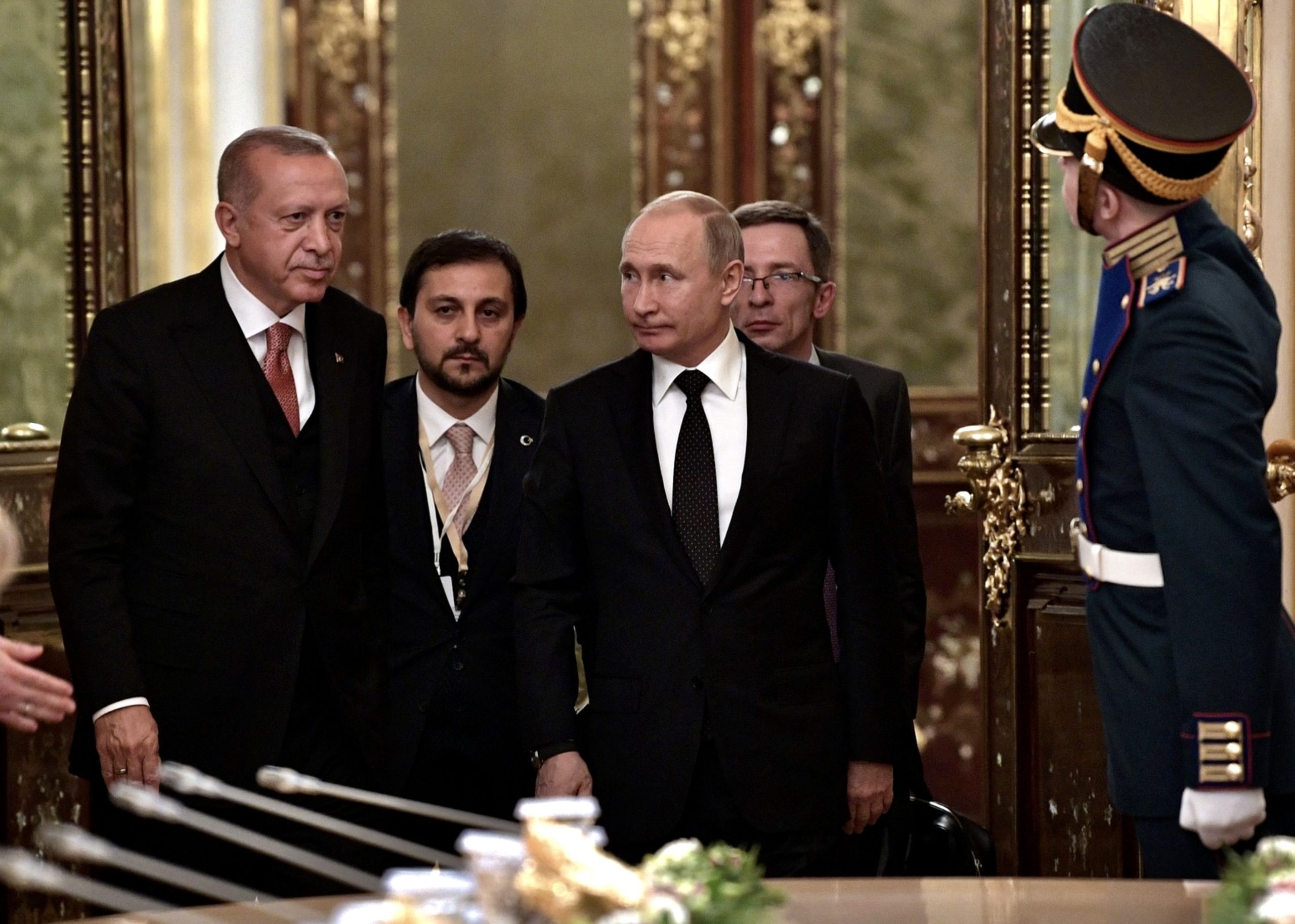
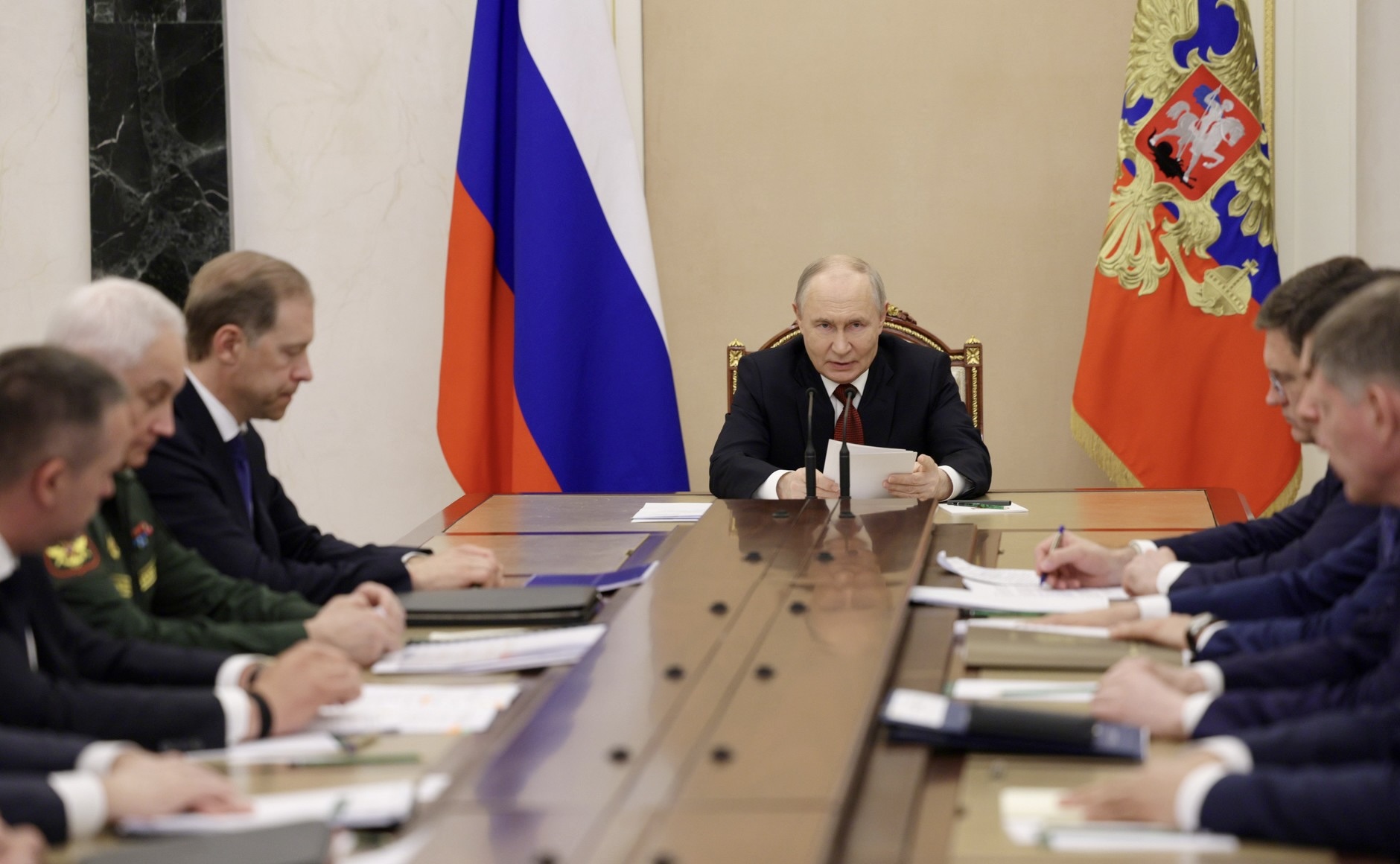
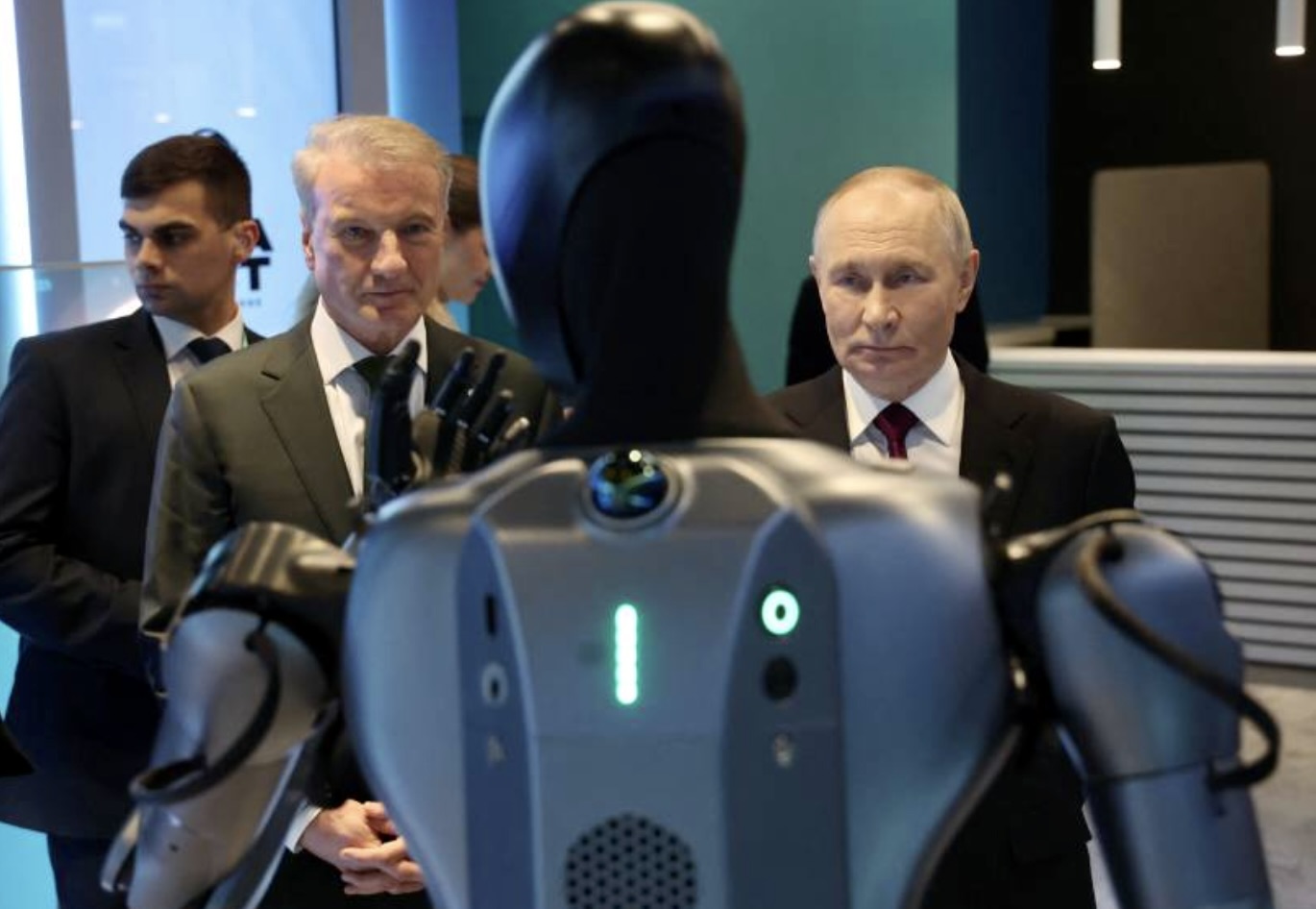
On June 28, the first stage of the XXIII Congress of United Russia took place at the Megasport arena in Moscow, marking the start of the 2026 election campaign. The event was attended by 786 delegates from across the country, as well as President Vladimir Putin and party chairman Dmitry Medvedev.
Key decisions of the congress:
- Approval of candidate lists. The federal list of the party was topped by Foreign Minister Sergei Lavrov, Moscow Mayor Sergei Sobyanin, war correspondent Yevgeny Poddubny, Children’s Ombudsman Maria Lvova-Belova and Chief of Staff of the Yunarmiya youth movement Vladislav Golovin. The candidate selection process involved a preliminary vote in which more than 10 million voters took part. Nearly 480 veterans of the special military operation were given the right to represent the party in elections at all levels.
- Adoption of a new policy document. Secretary of the General Council Vladimir Yakushev explained that the current programme, dated 2001, “has simply outlived itself.” The new long-term document will reflect “views on life” and visions of Russia’s future. In August, the party will approve a practical programme with specific figures and promises.
Statements by the President:
Speaking at the congress, Putin stated that the elections will take place on schedule and in strict accordance with the law. He urged candidates to “spend less time in offices and messengers” and to get out “into the field” more often to talk to people. The head of state also noted that competition must be open and fair, and that the status of the leading party is a “great honour and a huge responsibility.”
CPRF: ‘Victory Programme’
The Communists held their XIX Congress on June 20 at the Sneghiri health resort near Moscow — the first among parliamentary parties. The party approved more than 300 candidates from 36 regions and placed its bet on an updated election programme.
Key figures in the CPRF list:
The top five of the federal list were headed by party leader Gennady Zyuganov. Together with him, the top five included the head of Khakassia, Valentin Konovalov; First Deputy Chairman of the CPRF Central Committee and State Duma deputy Yuri Afonin; Deputy Chairman of the Central Committee and State Duma deputy Dmitry Novikov; and First Vice-Speaker of the State Duma Ivan Melnikov. The remaining ten members of the federal list are sitting deputies, including Chairman of the Agriculture Committee Vladimir Kashin, Chairman of the Committee for the Development of the Far East and the Arctic Nikolai Kharitonov and Chairman of the CIS Affairs Committee Leonid Kalashnikov. The federal list includes only one woman — Deputy Chair of the State Duma Committee on Family Protection Maria Drobot.
Election goals:
The minimum goal the party has set for itself is to match its 2021 result, when the Communists won 57 seats. However, experts note that the CPRF hopes to improve on its previous result through “careful work with the protest agenda and people’s fears.”
The programme ’10 Steps to Justice and Rebirth’:
The document includes key socio-economic demands:
- Introduction of state regulation of prices for essential goods, medicines and children’s goods.
- Return of strategic industries to state control.
- Gradual abolition of VAT.
- Restoration of a “fair” retirement age: 60 for men, 55 for women.
- Pension supplements for those who have worked in rural areas for 30 years or more.
- Direct state funding of healthcare without insurance intermediaries.
- Progressive tax on high salaries, dividends and a luxury tax.
- Restoration of the state monopoly on alcohol and tobacco.
The party promises that by 2030, there will be no families in Russia with an income below 200,000 rubles, and implementation of the programme will provide an additional 30 trillion rubles in budget revenue.
‘Polish the Dark Sides’: Strategy for Working with Voters
An interesting tactical approach was articulated at the congress. As an IA Realist correspondent reported, delegates were advised to “polish the dark sides” in their work with voters — that is, to focus attention on problems and negative aspects of the current situation in order to contrast them with their proposals. This indicates the CPRF’s intention to actively use protest sentiment and social tensions in its election campaigning.
LDPR: ‘100 Days of Transformation of Russia’
On June 23, the XXXVIII Congress of the LDPR took place in Ruza, outside Moscow. The federal candidate list was headed by party leader Leonid Slutsky. In total, the LDPR lists include 435 candidates, of which 224 are single‑mandate candidates.
The party adopted the programme “100 Days of Transformation of Russia,” based on three words beginning with ‘P’ — “truth, order and change.” Key proposals include:
- “People’s mortgage” at 3% for public sector employees, students and young professionals.
- Indexation of pensions, social benefits and public sector salaries by at least 20%, and an increase in scholarships to the level of the minimum wage.
- Abolition of personal income tax for Russians earning up to 50,000 rubles.
- Priority in employment for Russian citizens and at least a doubling of the cost of patents for foreigners.
On the foreign policy track, the LDPR declared support for the president’s course. The party is going into the elections “under the banner of its founding father,” Vladimir Zhirinovsky — at the congress, a seat was specially left empty with a sign reading “Zhirinovsky.”
New People: From March Congress to Elections
The New People party held its VI Congress back in March 2026 in St Petersburg, where it launched its election campaign. The congress adopted a policy manifesto with 12 ideas with which the party will go to the polls. Experts note that New People could double its number of seats in the State Duma.
The candidate nomination congress is scheduled for July 1. The party positions itself as the “smallest but most visible” faction and intends to expand its presence in parliament.
A Just Russia: Congress on July 4
The second part of the XV Congress of A Just Russia will take place on July 4 in Moscow at the International Trade Centre. It is at this congress that the party will approve its election programme and candidate lists.
The first part of the congress took place on October 25, 2025, where Sergey Mironov was re‑elected as party chairman and the co‑chairmanship was abolished. The party, previously known as “A Just Russia — Patriots — For Truth,” has reverted to its original name. Following the 2025 unified voting day, the party moved into third place in terms of the number of deputies.
Non-Parliamentary Parties: Pensioners’ Party and Yabloko
The Pensioners’ Party held its congress on June 26 and approved a list of 268 candidates. The party positions itself as supporting the president but opposing the current parliamentary parties, which, in its view, “do not fully implement the president’s strategic course towards a development economy.” The party’s programme is called the “Normal Life Programme.” Key proposals include a basic pension income, free prosthetics, a family doctor system and limiting a deputy’s tenure in the State Duma to a single term.
Yabloko nominated 412 candidates on June 27. Party chairman Nikolai Rybakov is barred from participating in the elections due to an administrative penalty. The federal list was topped by a lawyer from Chelyabinsk, Yaroslav Shcherbakov. The party’s programme is the shortest but, according to Rybakov, “the most important”: a ceasefire, prevention of nuclear escalation, diplomacy and negotiations, and freedom from fear and repression.
All parliamentary parties have completed or are completing the first stage of preparations for the elections. United Russia is betting on presidential support and a broad people’s programme, the CPRF on socio‑economic rhetoric and working with voter discontent, the LDPR on social populism, and New People on technology and renewal.