

LONDON (Realist English). The head of Eli Lilly has delivered one of the sharpest rebukes yet of Britain’s pharmaceutical pricing regime, warning that the country could miss out on new medicines and investment if it does not overhaul its approach.
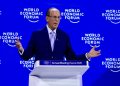
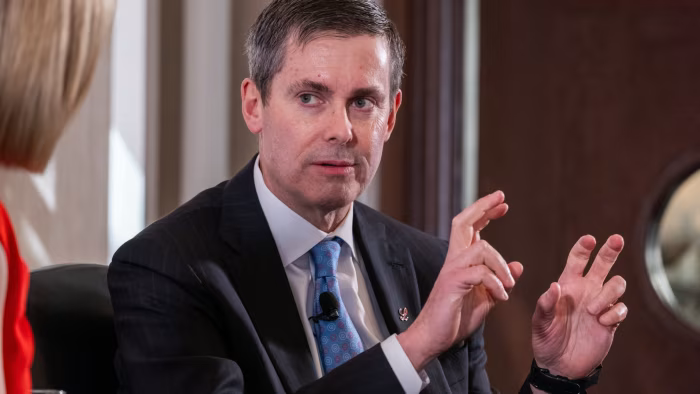
In an interview with the Financial Times, Eli Lilly chief executive Dave Ricks described the UK as “probably the worst country in Europe” for drug prices. He argued that unless Britain raised prices and scrapped its rebate scheme for branded medicines, pharmaceutical groups would scale back their presence. “Unless that changes, I don’t think they will see many new medicines and I don’t think they will see much investment,” he said. “That’s the UK’s choice, but we react to those choices.”
At the centre of the dispute is the Voluntary Scheme for Branded Medicines Pricing, Access and Growth (VPAG). Designed to cap NHS spending, the scheme requires drugmakers to return part of their sales revenue. The rebate has risen sharply to almost 23 per cent this year after costs outpaced expectations. Ricks said the scheme “charges us for our own success” and should be scrapped.
The standoff has already prompted several pharmaceutical giants to scale back in Britain. Lilly, Merck and AstraZeneca have paused or cancelled planned investments, while Bristol Myers Squibb has threatened to withhold a new schizophrenia treatment. Lilly alone has frozen a biotech incubator project worth £279mn.
Tensions intensified in August when Lilly raised the private UK price of its weight-loss drug Mounjaro by up to 170 per cent, after noticing patients travelling from Paris to purchase it more cheaply in London. “That doesn’t make a tonne of sense for us,” Ricks said.
The criticism coincided with Lilly’s announcement of a $6.5bn manufacturing facility in Houston. Ricks insisted the US investment was not tied to President Donald Trump’s September 29 deadline for pharmaceutical companies to make binding commitments to lower domestic drug prices. But he admitted the consequences of failing to reach a deal were “hard to quantify,” citing potential litigation or regulatory retaliation.
Trump has long argued that Americans are subsidising the rest of the world’s medicine costs, pointing to stark disparities between U.S. and overseas prices. “They pay $1,300, $1,200 and they go to London and they pay $88,” Trump said this week. “We are subsidising the rest of the world.”
Shares in Lilly are down 3 per cent this year, with the company warning in August that Trump’s pricing demands “may significantly impact our business.”