BRUSSELS (Realist English). The European Union has urged member states to reduce energy consumption and prepare contingency measures as supply risks intensify amid disruption in the Strait of Hormuz, a key global energy route affected by the Iran conflict.
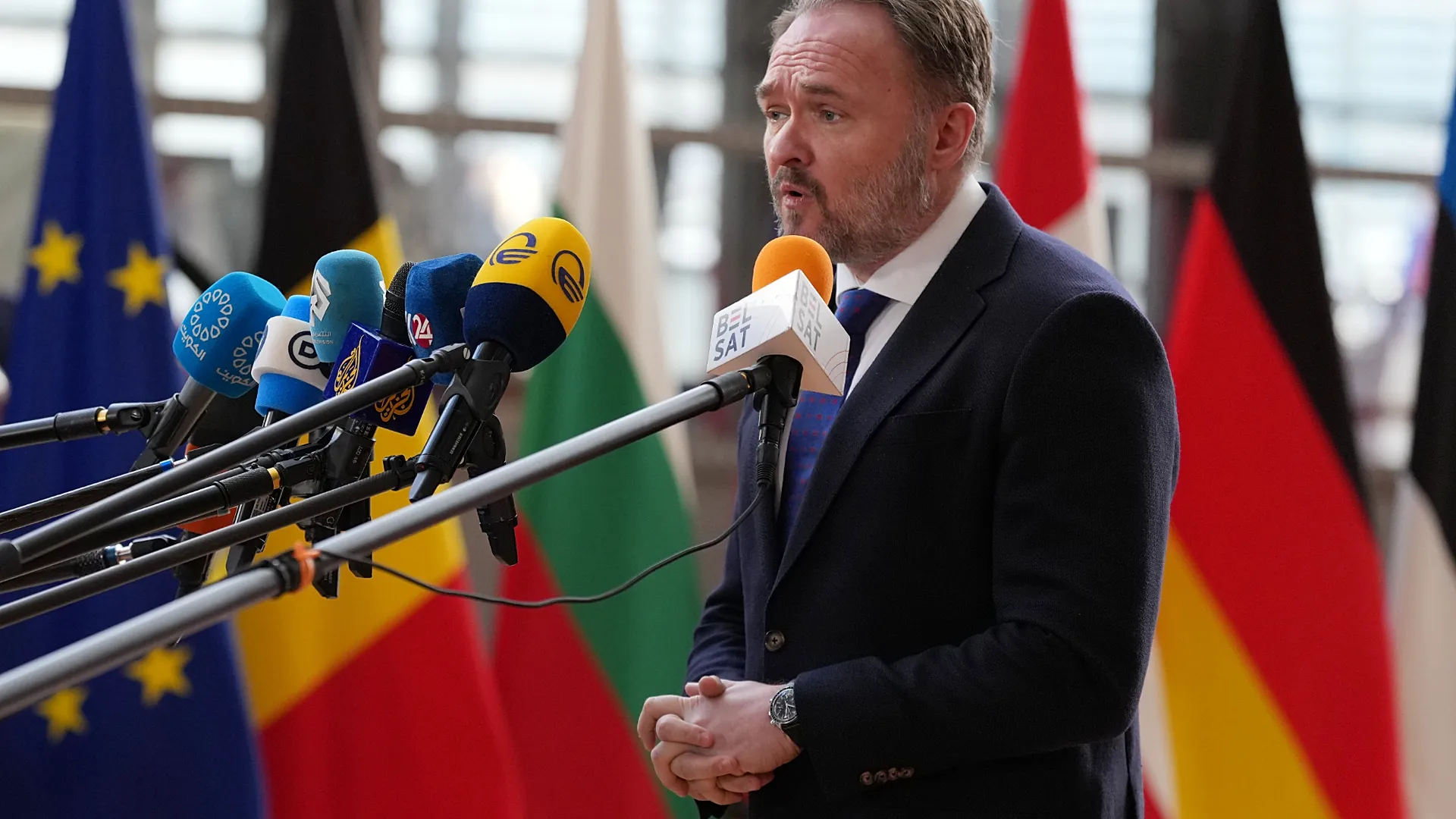
In a letter dated 30 March, European Energy Commissioner Dan Jørgensen asked governments to outline steps to cut oil and gas demand — particularly in transport — and assess their readiness to cope with potential shortages, according to a document seen by Euronews.
The appeal comes as EU energy ministers convene for emergency talks, with global markets facing a shortfall of around 11 million barrels of oil per day and more than 300 million cubic metres of liquefied natural gas (LNG) daily.
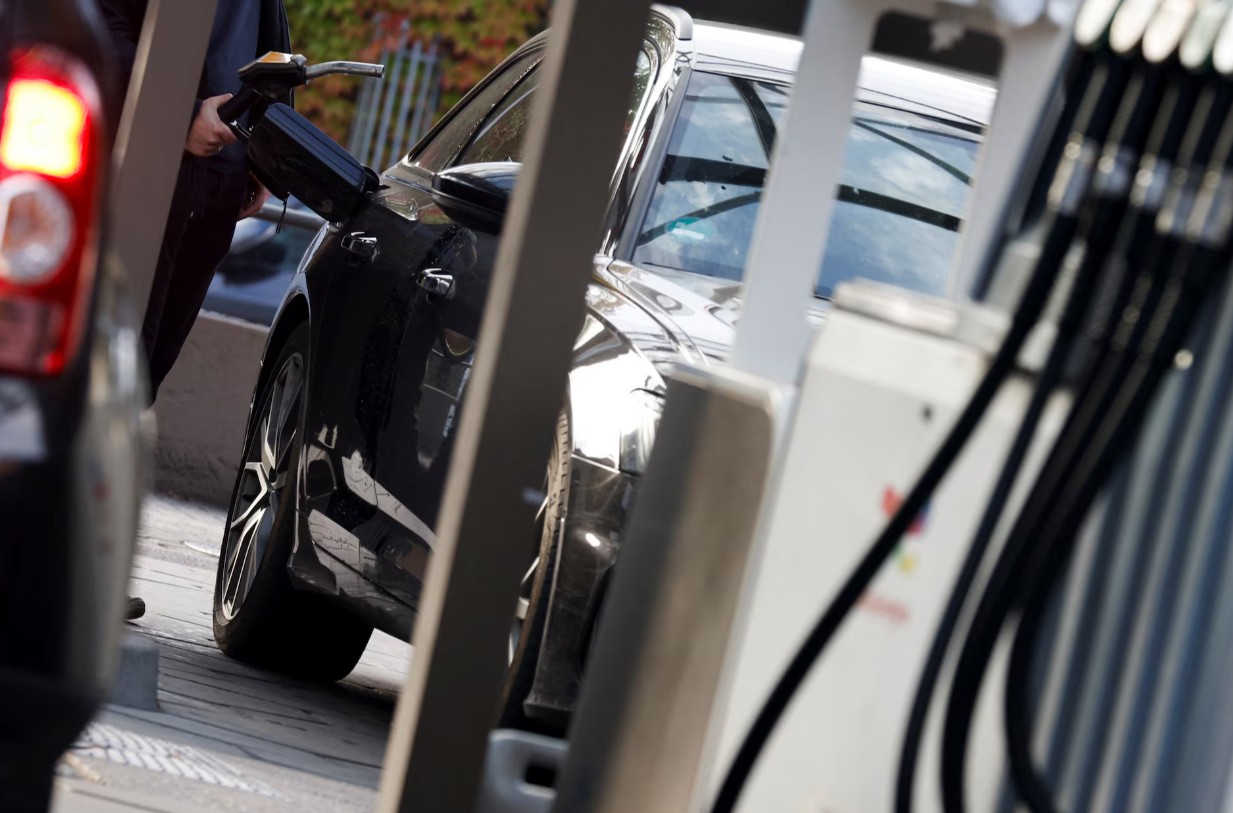
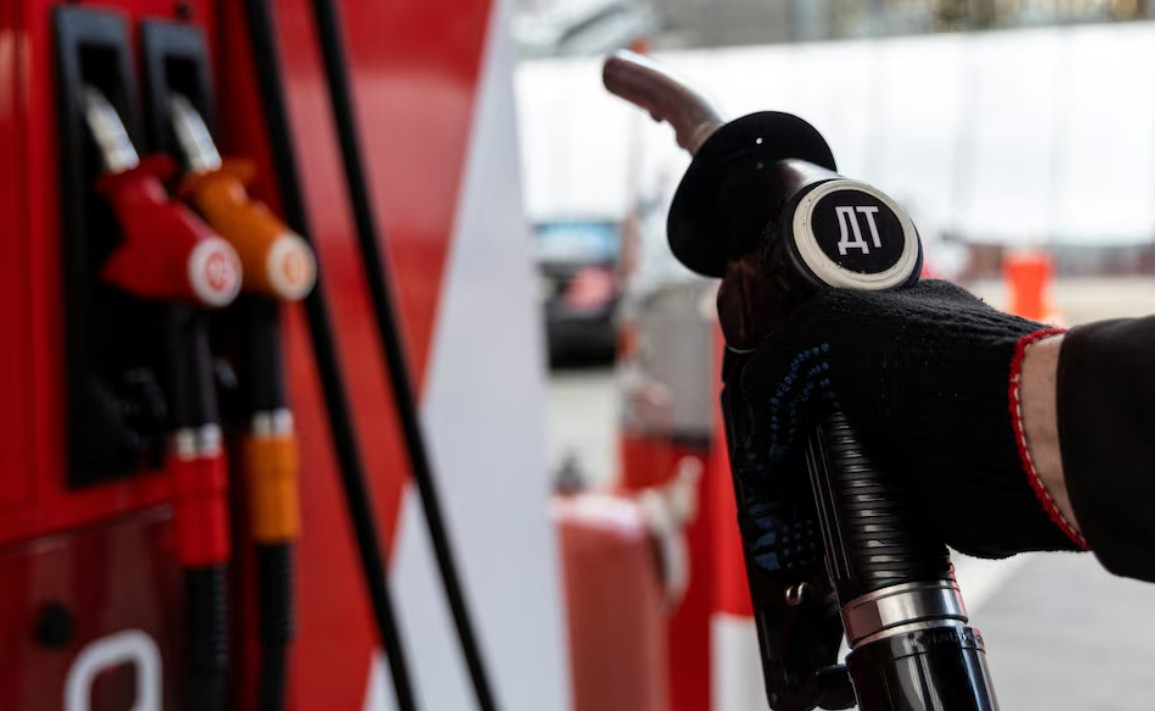
Jørgensen warned that rising fuel prices are already affecting transport costs and urged coordinated action to ensure the availability of diesel and jet fuel, two segments where Europe remains heavily dependent on imports, particularly from Gulf producers.
The European Commission has highlighted structural vulnerabilities, including limited domestic refining capacity and reliance on external suppliers. Around 20% of diesel consumption in the EU and UK is sourced from the Gulf region, increasing exposure to geopolitical disruptions.
To mitigate risks, Brussels has advised member states to delay refinery maintenance to sustain output and consider alternative fuels such as biofuels. Governments have also been urged to secure gas storage ahead of winter without triggering market instability.
Despite the pressures, EU officials say the bloc’s immediate energy supply remains “contained,” supported by emergency reserves and diversified supply chains. The EU maintains strategic oil stocks equivalent to 90 days of consumption and has recently contributed to a coordinated release of reserves led by the International Energy Agency.
However, the Commission warned that prolonged disruption could intensify competition for global supplies, particularly as LNG cargoes are increasingly diverted from Europe to higher-paying Asian markets.
Energy prices have already surged, with Brent crude rising to around $119 per barrel from approximately $70 before the conflict. Analysts caution that further escalation could push prices significantly higher and trigger inflationary pressures similar to the 2022 energy crisis.
Industry representatives, including Andreas Guth, secretary general of Eurogas, have called for faster access to alternative supplies and fewer regulatory barriers to improve resilience.
Analytically, the EU’s response reflects a shift from crisis management to pre-emptive demand reduction, acknowledging that supply-side solutions alone may be insufficient in a constrained global market.
The key question is whether coordinated action across member states can stabilise supply and prices, or whether prolonged disruption in the Gulf will force deeper structural adjustments in Europe’s energy system.