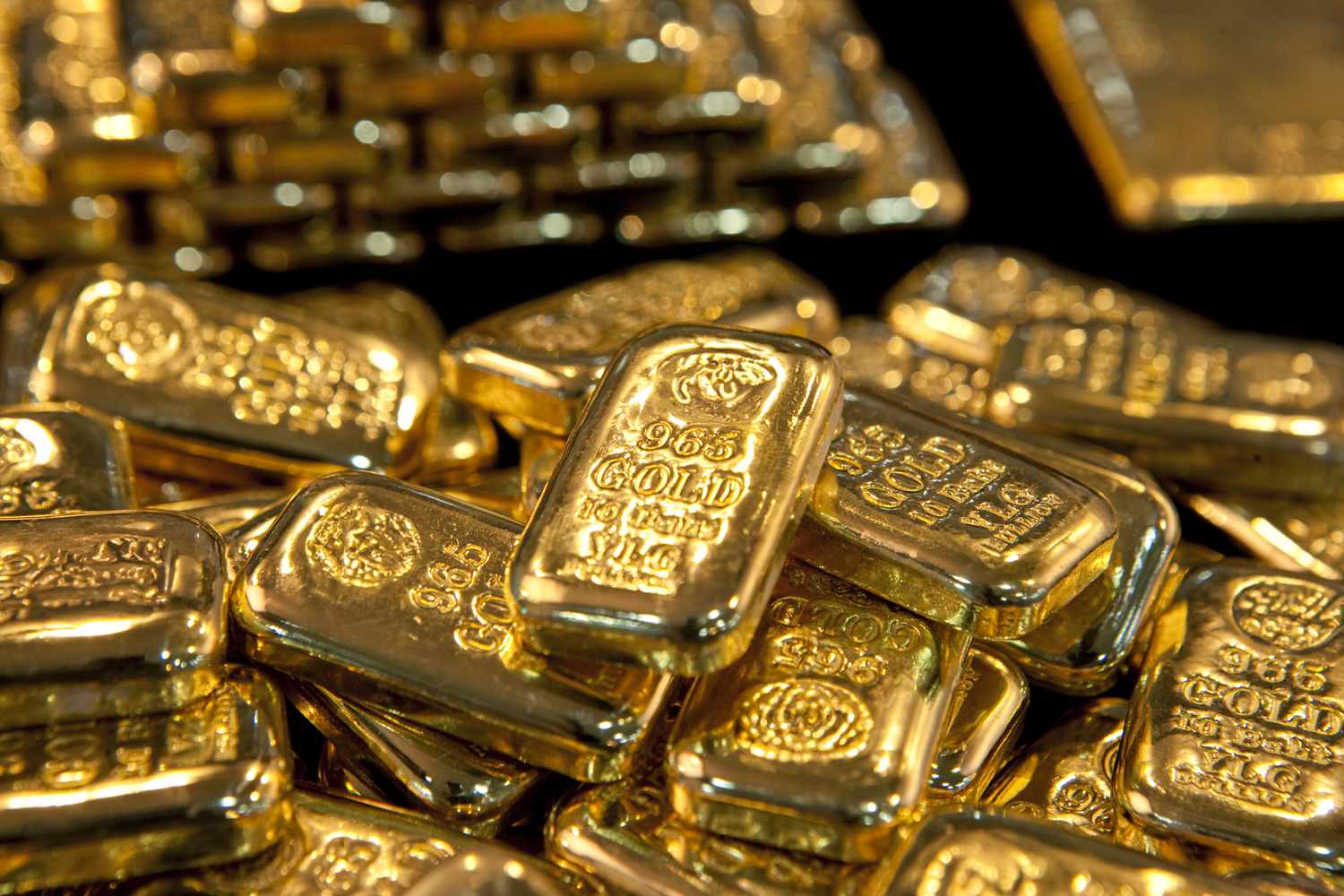
LONDON (Realist English). With gold prices breaking record after record this year, a growing number of wealthy investors and family offices are no longer satisfied with letting bullion sit idle in vaults. Instead, they are leasing their gold to refiners, jewelers and manufacturers — turning the world’s oldest safe-haven asset into a yield-generating investment.
“We’re getting constant calls: ‘I have $2 million of gold bars — can you lease it for me?’” said Gaurav Mathur, founder of SafeGold. Leasing volumes at the company have jumped from $2 million to $40 million since January, he told CNBC. “Wealthy customers have become comfortable with leasing,” he added.
The appeal is simple: investors who already plan to hold gold can earn yields paid in gold, while industrial users borrow bullion to fund daily production without taking on price risk. SafeGold currently offers 2% yields on secured leases and 4% on unsecured, with rates earlier this year hitting 3% and 5%.
“People aren’t just buying gold and waiting for $5,000 anymore,” said Keith Weiner, founder and CEO of Monetary Metals. “They want to hold it no matter the price — and then ask: how do I put it to work?”
One US investor, Joseph, who leases through Monetary Metals, doubled his gold on lease in the past year, earning around 3.8%, paid in ounces. “The only certain bet is that currencies depreciate,” he said. “Central banks are buying gold at a historic pace. Accumulating gold is the easiest, least stressful decision one can make.”
How gold leasing works
Gold leases function much like loans — except the principal is measured in ounces. Investors supply bullion to a leasing platform, which lends it to refiners, jewelers or fabricators.
Borrowers then:
- use the gold in day-to-day production,
- sell finished products at current market prices,
- repay the same amount of gold later.
This structure shields them from price swings. “Gold leasing solves two problems: funding and price risk,” said Wade Brennan, CEO of Kilo Capital. “If they bought gold with a bank loan, they’d need futures to hedge. Most business owners aren’t futures experts.”
As gold prices have risen more than 50% this year, hitting highs above $4,381/oz, borrowing needs have soared. “A $100,000 bank loan now buys much less gold,” said Patrick Tuohy, CEO of Goldstrom. Demand from jewelers has doubled in four months, he added.
Goldstrom finances clients from Dubai to Ghana and attaches RFID tracking chips to every jewelry piece made from leased metal. “We literally turn the jeweler’s shop into a vault,” Tuohy said.
Not new — but newly popular
Gold leasing has long existed among central banks and major bullion banks. What’s new is the influx of wealthy individual investors turning to specialised platforms.
But experts warn of risks.
“Lending gold carries counterparty risk — the borrower might not return your bars,” said John Reade of the World Gold Council. That risk includes late repayment, impaired cash flow, theft or even counterfeit bars.
Platforms say they are tightening controls. SafeGold tests every bar returned. Monetary Metals uses audits, insurance, cameras and RFID to prevent fraud. Goldstrom’s RFID system allows it to seize and melt inventory if a borrower defaults. “In the Middle East, this model has been running since 2006 — and there’s never been a default,” Tuohy said.
A booming but fragile new market
Surging prices have lifted the value of every bar in the system, increasing both the rewards and the risks. As more investors search for yield in an inflation-ridden world, gold leasing is shifting from a niche institutional tool into a fast-growing alternative-finance market.
The incentive is clear: gold now pays. But for investors eager to put bullion to work, the question remains whether yields justify the added counterparty risk — especially with the world’s most valuable asset sitting on the other side of the ledger.