MOSCOW (Realist English). June 18 saw several significant developments on both the domestic and international fronts — from social statistics inside Russia to diplomatic signals from Brussels and Sofia.
While Moscow reports a rise in the number of large families, Europe shows the first cracks in sanctions unity, and the Kremlin again states it is not ready for direct contacts with Kyiv amid ongoing Ukrainian strikes.
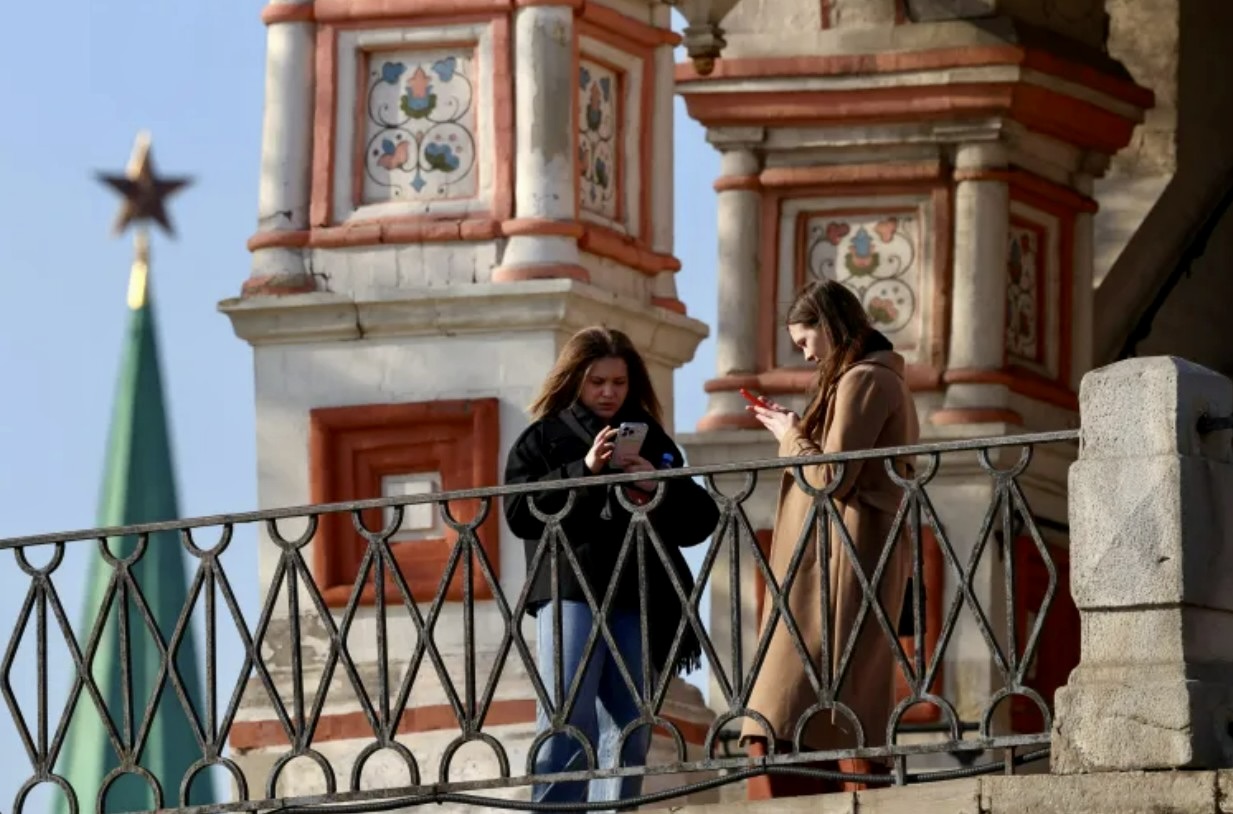
Social block: number of large families up 1.5 times
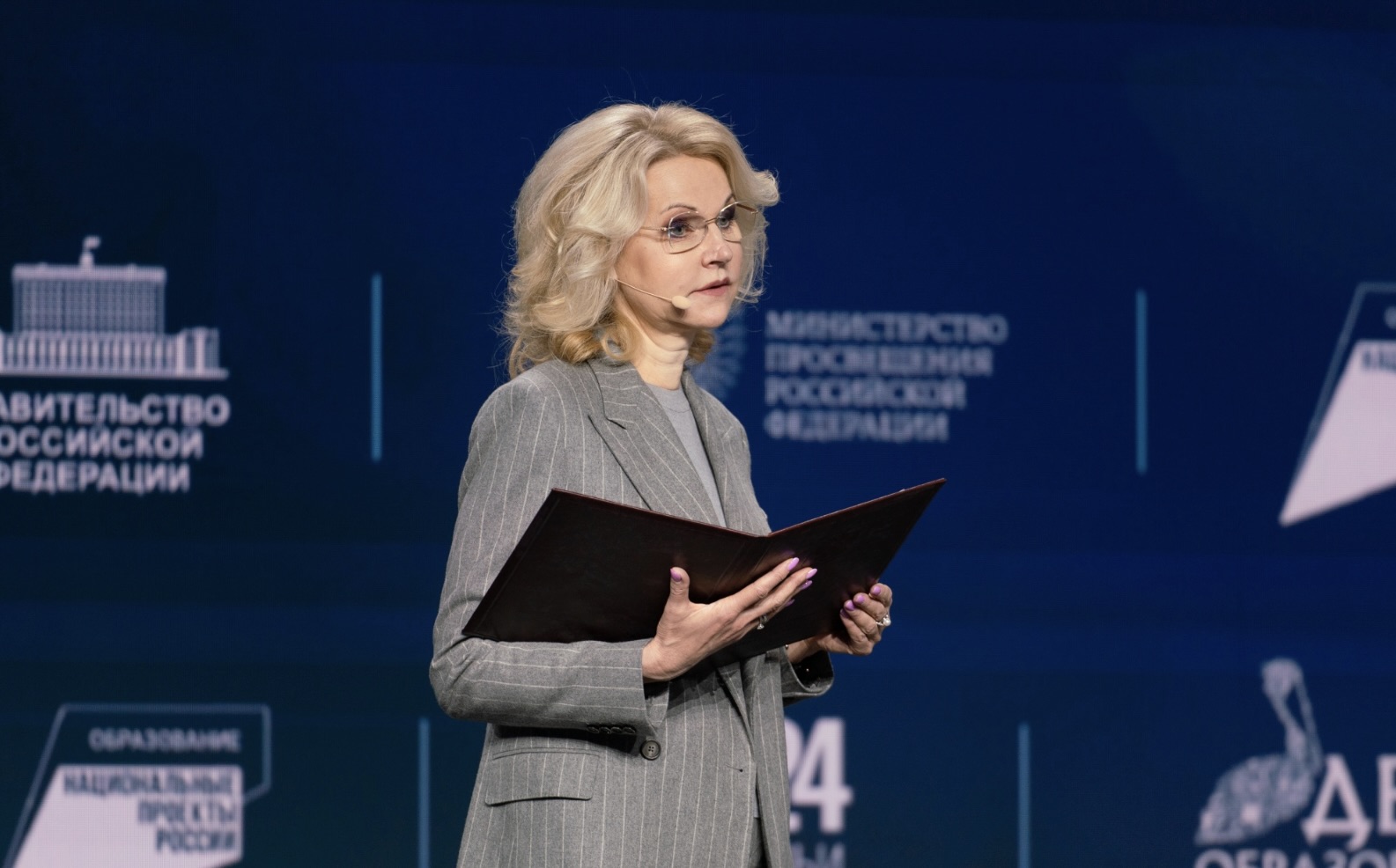
Deputy Prime Minister Tatyana Golikova, speaking at the 6th Forum of Large Families “Large Russia,” said that since 2019 the number of large families in the country has increased by 1.5 times. “Today we have almost 2.9 million large families in the country, raising about 9.5 million children,” she said.
Golikova stressed that Russia is implementing the national project “Family,” and that assistance to families should be targeted and work in the interests of people.
She also recalled that restrictions on counting periods of child care in insurance length have been lifted for parents of large families, and women with the title “Mother Heroine” have been equated to Heroes of Labour.
European front: Bulgaria does not support part of the 21st sanctions package
As the EU prepares its 21st package of anti‑Russian sanctions, Bulgaria has taken a special stance. Foreign Minister Velislava Petrova‑Chamova said that Sofia does not support a number of restrictions that may be included in the new package.
“Our position is perfectly clear: we do not support sanctions that not only cause economic damage to the state, but to a much greater extent harm member states,” the diplomat said.
First and foremost, Bulgaria objects to energy sanctions that could affect the country’s energy security, as well as to restrictions against Patriarch Kirill of Moscow and All Russia, pointing to their counter‑productiveness.
Russia‑ASEAN Summit in Kazan
The anniversary summit, dedicated to the 35th anniversary of Russia‑ASEAN dialogue partnership, is being held in Kazan from June 17 to 19. On June 18, the main events took place at the Kazan Expo International Exhibition Centre.
The central event of the day was the plenary session opened by the summit co‑chairs — Russian President Vladimir Putin and Philippine President Ferdinand Marcos Jr. Delegations from 14 countries are taking part.
Kremlin sees no conditions for Putin‑Zelensky meeting
Russian Presidential Aide Yuri Ushakov, speaking on the sidelines of the Russia‑ASEAN summit, said that Ukrainian strikes on Moscow and a bus in the Bryansk region do not facilitate contacts between the presidents of Russia and Ukraine.
“Of course, all this, one might say, does not bring such personal contacts between the head of the Kyiv regime and our president any closer,” he said.
Ushakov also called the European postulate that the situation on the battlefield is supposedly changing in favour of Ukrainian forces false. “The Europeans are clearly insisting that the war must continue.
Moreover, they are guided by a completely incorrect, false postulate… which is categorically wrong,” he stressed.
Finland does not believe in threat of Russian attack
Finnish President Alexander Stubb, in an interview with Hufvudstadsbladet, said he saw no signs that Russia is preparing to attack one of the NATO countries. “As president, commander‑in‑chief and Finn, I see no evidence that this is happening,” he said.
In Stubb’s view, Russia’s goal is to bring Europe out of balance, and part of the hybrid operation is to make Europeans themselves fear a Russian attack. He also predicted that the Ukrainian conflict would last at least another three to four months.
EU contacts with Russia: brief, but with special interests
As Politico reports, citing an EU official, the European Union’s contacts with Russia in recent weeks have been brief and did not address the “substance” of the matter. However, they demonstrated that the EU has “specific interests to defend.”
“That is why it is important to establish diplomatic channels of communication with Russia,” the source was quoted as saying.
On June 11, the ambassadors of the UK, Germany and France met in Moscow with Russian Deputy Foreign Minister Mikhail Galuzin.
During the talks, the Russian side set out its approaches to resolving the conflict in Ukraine by eliminating its root causes.