BAKU (Realist English). Azerbaijani authorities continue to display intense activity on several fronts simultaneously — from “age‑old friendship” with Moscow to plans to double transit volumes and “diversify” the economy.
However, behind the facade of bravura statements, alarming signals are hidden: the country’s only oil refinery is on fire, and the economy, despite impressive figures, continues to balance on the brink of systemic crisis.
‘Friendship’ Baku‑style: when words diverge from deeds
Ali Ahmadov, First Deputy Chairman of the Milli Majlis, at the 24th meeting of the Commission on Interparliamentary Cooperation with Russia, once again spoke of the “rich traditions of good neighbourliness, friendship and cooperation” between the two countries. He stressed the importance of regular high‑level contacts and “active interaction between state structures.”
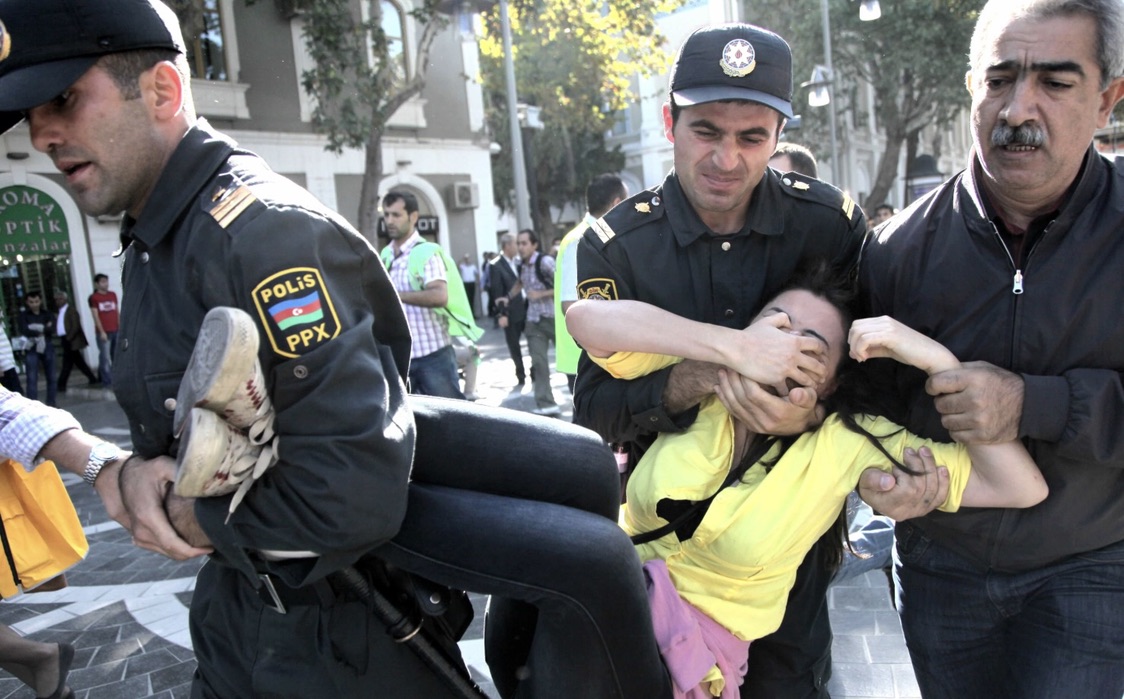
However, the rhetoric about “friendship” and “strategic partnership” looks increasingly hypocritical against the backdrop of Baku’s systematic pressure on pro‑Russian forces within Azerbaijan itself, as well as its active participation in Western‑backed projects aimed at pushing Russia out of the South Caucasus.
Ahmadov’s words that interparliamentary dialogue remains an important tool for “further development of bilateral ties” are perceived as an attempt to create an appearance of alliance, while Baku’s real steps often contradict Moscow’s interests. The Kremlin, for its part, is also in no hurry to sound the alarm — apparently counting the dividends from “multifaceted partnership.”
Fire at the only refinery: the regime demonstrates ‘stability’
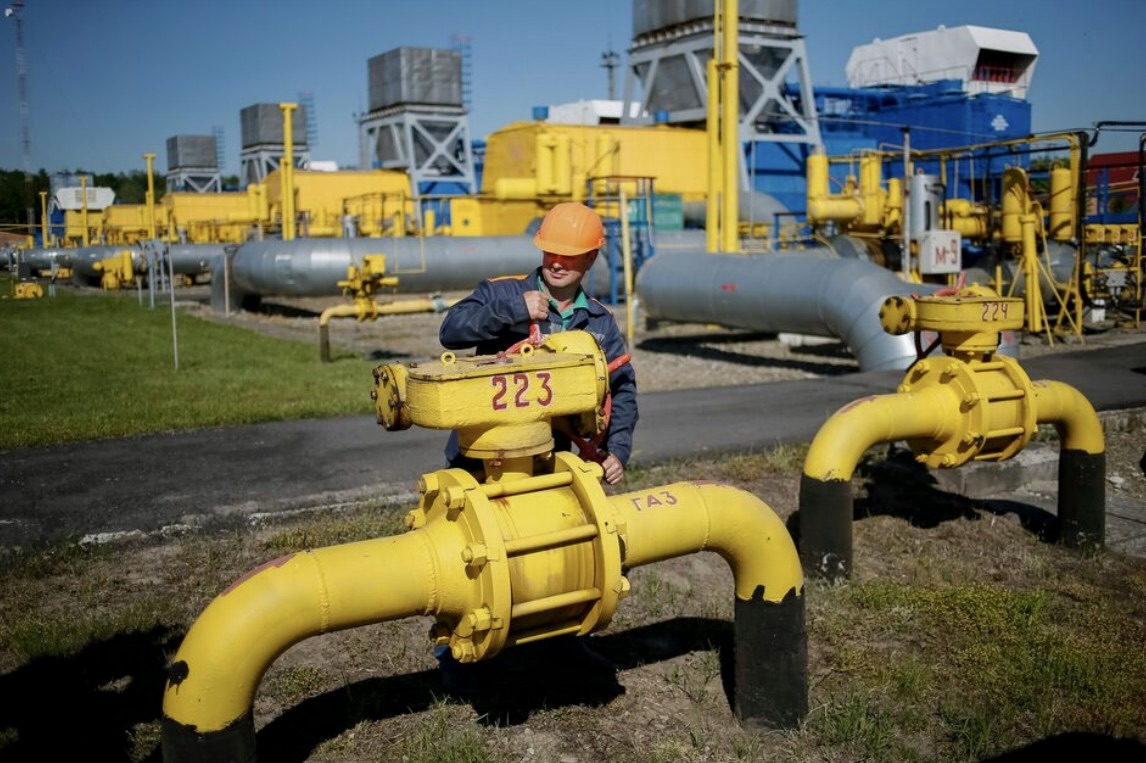
On the morning of June 18, a fire broke out in Baku at the country’s only oil refinery, owned by the State Oil Company of Azerbaijan (SOCAR). According to the Ministry of Emergency Situations, the fire occurred at the catalytic reforming unit — one of the key units of the plant with a capacity of 6.5 million tonnes per year.
Notably, this is not the first incident at the refinery in the past year. In March 2025, a fire also occurred there, which the authorities “promptly extinguished.” Now the situation is repeating itself — and all this is happening against the backdrop of the “large‑scale reconstruction and modernisation” that the plant is supposedly undergoing.
For a country where the oil and gas sector, despite loud statements about diversification, remains the foundation of the economy, a fire at the only refinery is not just an emergency but a symptom of deep systemic problems. The authorities, as always, assure that “everything is under control,” but citizens have every right to ask: if the only plant is on fire, what is happening to the rest of the infrastructure?
Transit ambitions: double at any cost
Against the backdrop of the refinery fire, the head of the Baku regime, Ilham Aliyev, at the opening ceremony of the Islamic Development Bank Group’s Annual Meetings, declared his intention to “turn Azerbaijan into a transport hub” and double the volume of cargo transported through the country. Currently, this figure stands at 15 million tonnes.
At the same time, the regime leader admitted: “Of course, not everything depends on us. This is influenced by the geopolitical situation and relations with neighbouring countries.” In other words, Aliyev himself acknowledges that his plans depend on external factors — above all, the goodwill of Russia, Iran and Turkey. But in Baku, they prefer to pretend that turning the country into a transit hub is a done deal.
The ambitions are clear: Azerbaijan is counting on the growth of traffic along the Middle Corridor (Trans‑Caspian route), connecting China, Kazakhstan, the Caspian Sea, Azerbaijan, Georgia, Turkey and Europe. However, as Aliyev himself noted, the implementation of these plans runs into geopolitics, which Baku controls far from fully.
Economic diversification: figures not to be trusted?
On June 10, regime Economy Minister Mikayil Jabbarov reported that the share of the non‑oil sector in Azerbaijan’s GDP had reached 71.5%. The oil and gas sector, according to him, accounts for less than 30%. Jabbarov called this a “serious achievement,” and Aliyev called it “the result of a successful policy.”
An impressive figure: just 20 years ago, the share of the non‑oil sector did not exceed 45%. However, behind the beautiful statistics lies an unpleasant reality. The growth of the non‑oil sector is largely driven by state injections and construction projects financed from oil revenues. Genuine diversification, in which private business becomes the engine of growth, has not occurred.
Moreover, Azerbaijan’s economy remains extremely vulnerable to external shocks. As Jabbarov himself admitted, the country has experienced a “fairly serious devaluation shock” over the past 20 years, but that has not stopped the authorities from claiming all the credit.
The Middle Corridor: how Kazakhstan and Azerbaijan are trying to bypass Russia
The Trans‑Caspian International Transport Route (TITR), or the Middle Corridor, is gradually becoming one of the main transport routes in Eurasia. Over the past seven years, traffic volumes along the route have grown more than fivefold — to 4.5 million tonnes, and this year growth to 5.2 million tonnes is expected.
Baku’s Alat port expects to handle a record 120,000 TEUs in 2026. Kazakhstan, for its part, is building up its merchant fleet on the Caspian Sea: by 2028, it is planned to increase it to 32 vessels (currently 18).
However, behind these figures lies a geopolitical subtext. The Middle Corridor is a direct challenge to traditional routes through Russia. Kazakhstan and Azerbaijan, with Western support, are actively promoting this route, seeking to reduce dependence on Russian transit infrastructure.
At the same time, trade turnover between Kazakhstan and Azerbaijan in 2025 amounted to only $470 million, which is lower than the record $556 million in 2023. This clearly shows that even with active rhetoric, the real economy is not developing as rapidly as the authorities of both countries would like. The goal of increasing mutual trade to $1 billion still looks more like a declaration of intent.
Military cooperation with Kazakhstan: brotherhood on a schedule
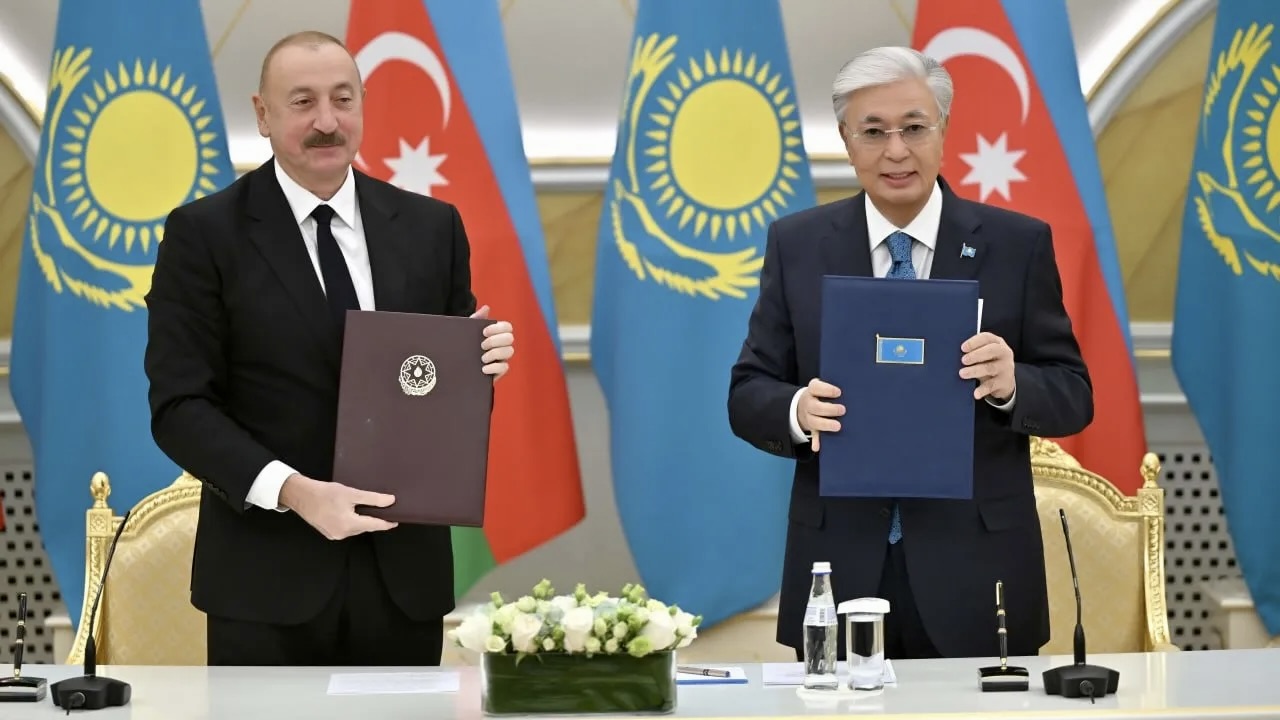
Chief of the Azerbaijani General Staff Kerim Veliyev made a working visit to Astana, where he met with his Kazakh counterpart. The sides confirmed that “relations between Azerbaijan and Kazakhstan are based on the principles of historical friendship, brotherhood and strategic partnership.” Veliyev was awarded a Kazakh medal “For Contribution to the Development of Military Cooperation.”
Earlier, in April 2026, a delegation from the Kazakh Defence Ministry had already visited Baku. The military departments of the two countries signed a military cooperation plan for 2026.
It is clear that Azerbaijan and Kazakhstan are stepping up military‑technical cooperation amid rising regional tensions. However, behind this “brotherhood” lies a pragmatic calculation: both countries are seeking to diversify their military ties without relying exclusively on Russia.
Propaganda instead of reality
Summing up the week, it can be stated: Aliyev’s regime continues to rely on loud statements — about “friendship” with Russia, about “diversification” of the economy, about “transit ambitions.”
But reality, as always, turns out to be much more prosaic: the only refinery is on fire, the economy remains resource‑based, and ambitious plans run up against geopolitical constraints.
The fire at the refinery is not just an emergency but a symptom of a systemic crisis that the authorities are trying to hide behind rhetoric about “achievements” and “strategic partnership.” The question is how much longer Baku will be able to pass off wishful thinking for reality before real problems become irreversible.