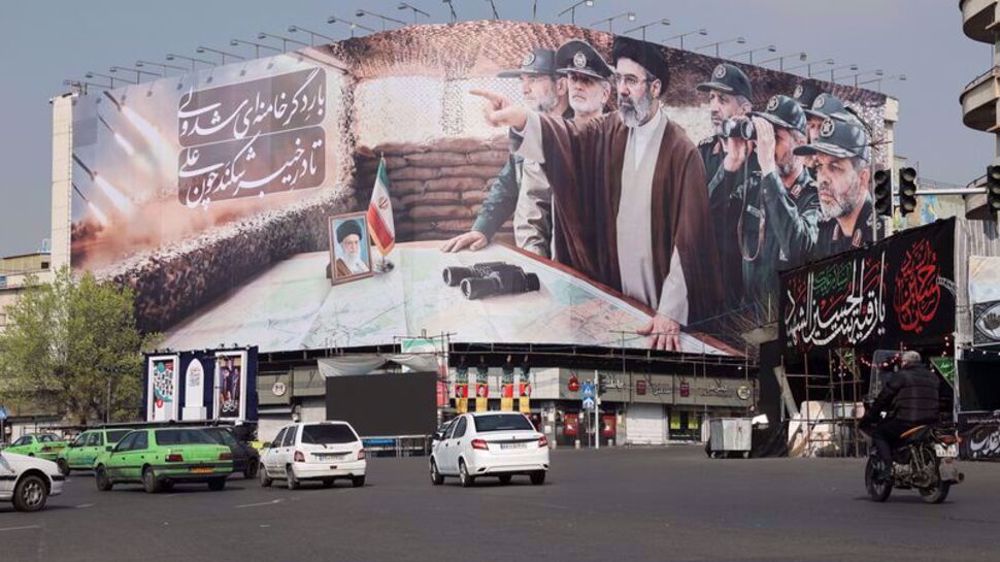
TEHRAN (Realist English). Iran has rejected a U.S. proposal aimed at ending the ongoing conflict, insisting that any ceasefire will occur only on Tehran’s terms, a senior political-security official told state-linked broadcaster Press TV.
The official, speaking on condition of anonymity, said Iran would not allow U.S. President Donald Trump to dictate the timing or conditions of the war’s end. “Iran will end the war when it decides to do so and when its own conditions are met,” the official said, adding that military operations would continue until those demands are fulfilled.
According to the official, Washington has attempted to advance negotiations through intermediaries, but Tehran views the proposals as “excessive” and disconnected from the situation on the ground. The latest diplomatic overture was described as a tactic to increase pressure rather than a genuine attempt at de-escalation.
Iran has outlined five conditions for ending the conflict. These include a full halt to what it describes as aggression and targeted killings, guarantees against the resumption of hostilities, payment of reparations, an end to fighting across all regional fronts involving allied groups, and recognition of Iran’s sovereignty over the Strait of Hormuz.
Tehran has also indicated that these conditions build on earlier demands raised during previous rounds of indirect negotiations held in 2025. Iranian officials have accused the United States of using past diplomatic engagements as cover for subsequent military actions, undermining trust in the negotiation process.
The official said Iran has informed intermediaries that no negotiations will take place unless all conditions are accepted in advance. This position effectively rules out incremental or phased agreements in the near term.
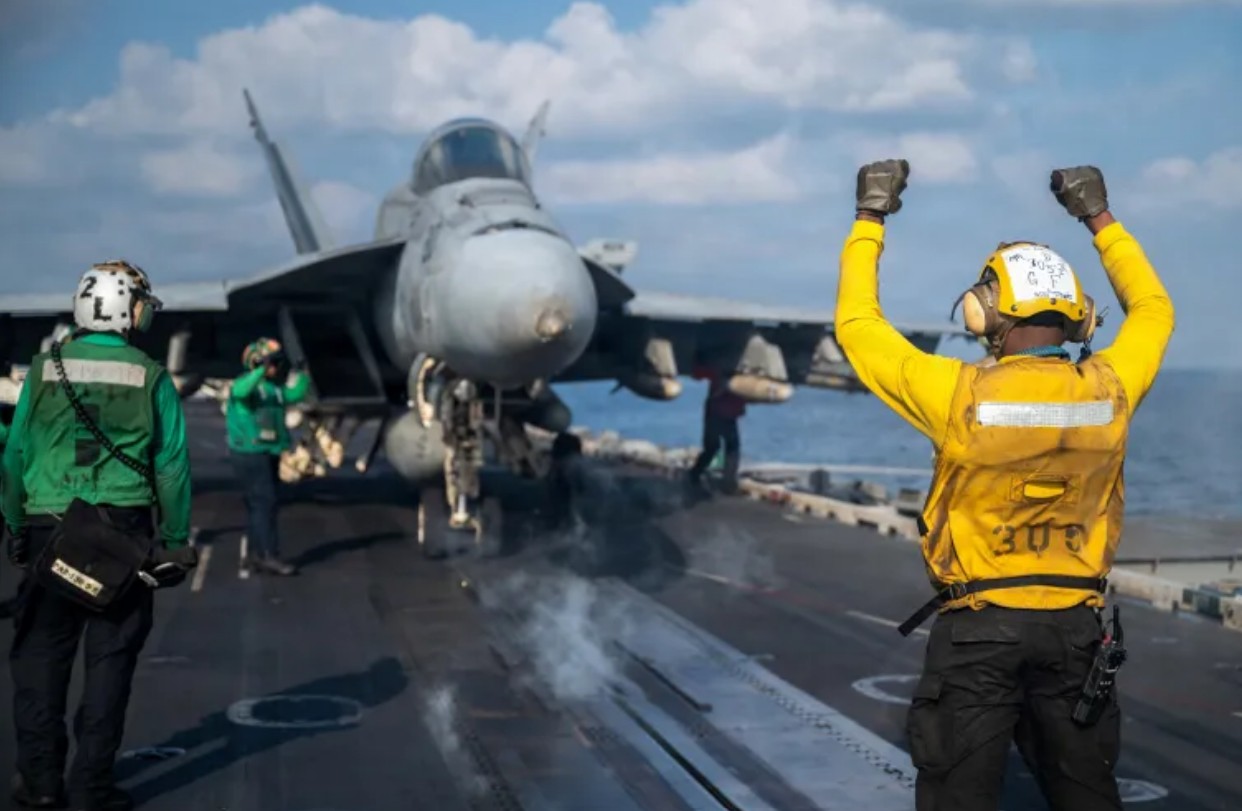
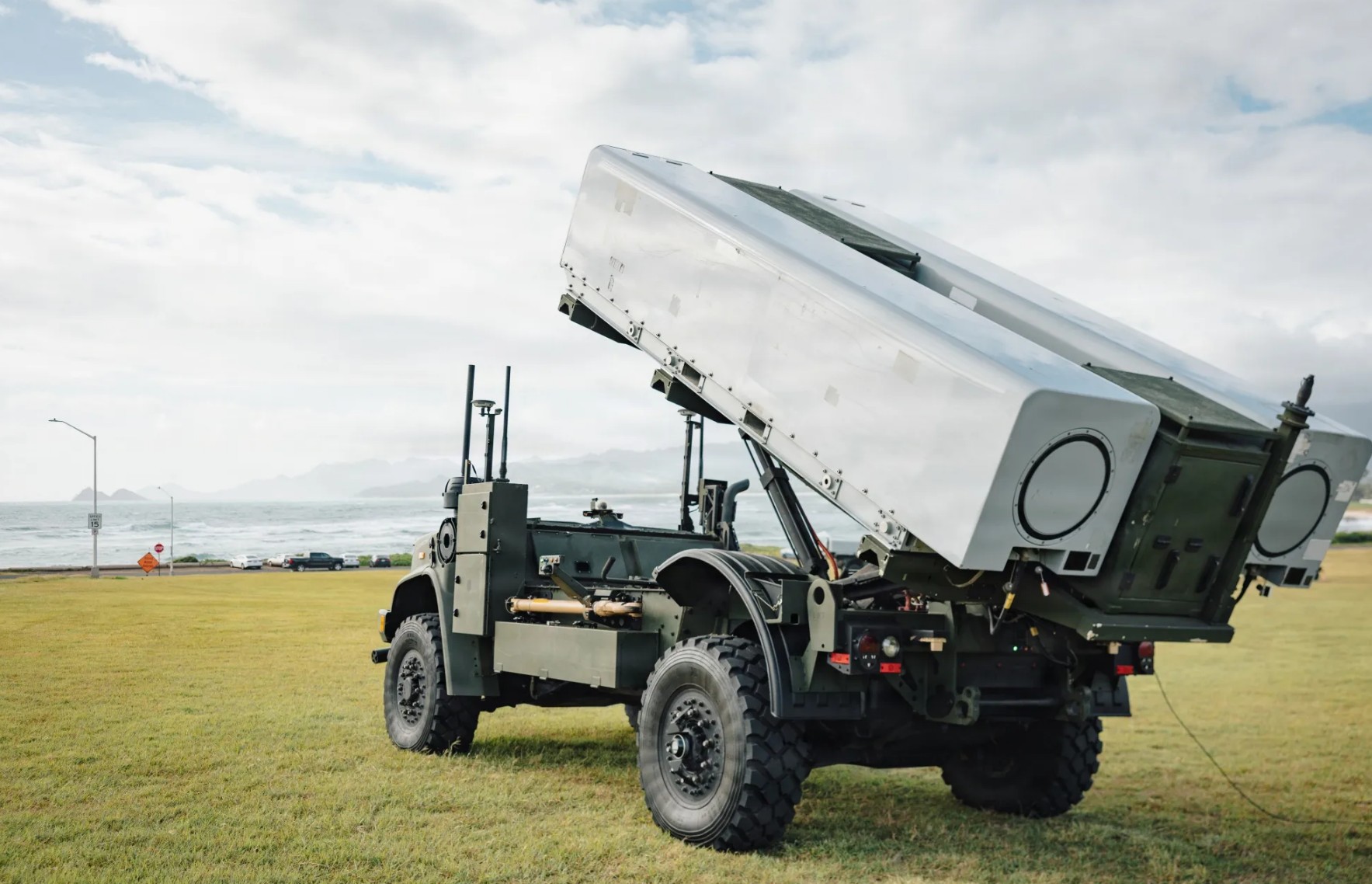
The war, which began on February 28 amid ongoing nuclear-related talks, has since expanded into a broader regional conflict involving U.S. and Israeli forces. Iran claims to have carried out multiple waves of retaliatory strikes targeting military assets, though these claims have not been independently verified.
Analytically, Iran’s position signals a hardening stance that prioritizes strategic leverage over immediate de-escalation, raising the threshold for any negotiated settlement.
The key uncertainty is whether diplomatic channels can bridge the gap between maximalist demands on both sides, or whether the conflict will continue to escalate in the absence of mutually acceptable conditions.