

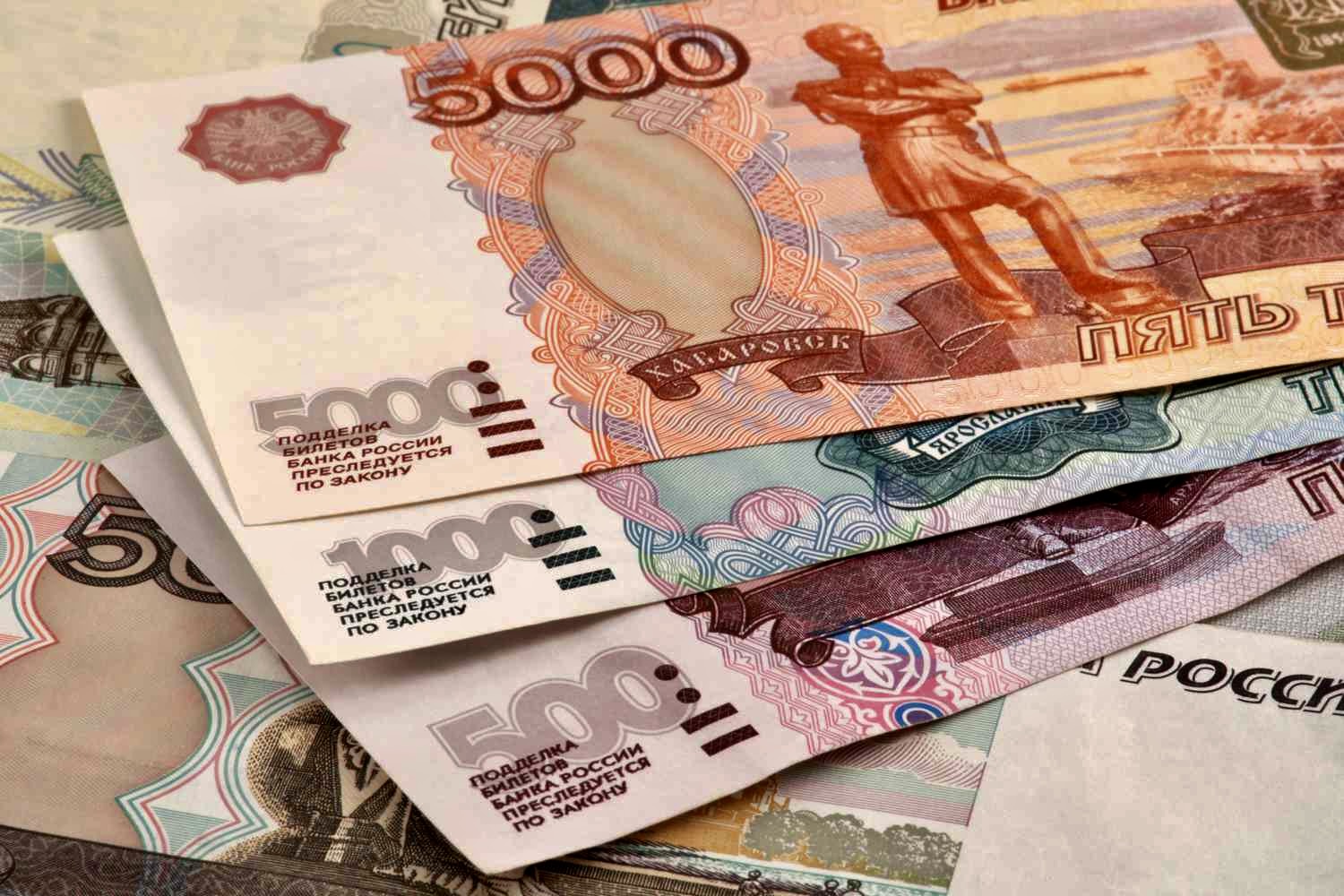
MOSCOW (Realist English). April became the most triumphant month for the ruble in the last three years. Against the backdrop of the US and Israeli war against Iran and the blockade of the Strait of Hormuz, the Russian currency strengthened by almost 8%, while the price of Urals oil approached historic highs.
Yet behind the external well-being lurk alarming signals: the Finance Ministry has suspended foreign currency purchases under the budget rule, fearing excessive strengthening, while experts warn of “Dutch disease” and an inevitable pullback in the second half of the year.
April dynamics: from March lows to three‑year highs
April 2026 began with the dollar at around 81.30 rubles (1 April) – a legacy of March weakening. But by mid‑month, the ruble had surged: on 14 April, during intra‑day trading, the dollar fell to 75.40 rubles, while the euro broke below 90 rubles, falling to 87.6‑88.7 rubles by month‑end.
Key figures:
| Indicator | Value |
| Dollar exchange rate on 30 April | 75.06 rubles (+7.68% for the month) |
| Euro exchange rate on 30 April | 87.6‑88.7 rubles (down from 93.3 on 1 April) |
| Peak Urals price (14 April) | $116.05/bbl – 13‑year high |
| Average Urals price in April | $94.87/bbl (2.5 times higher than budgeted) |
By the end of the month, the ruble gave back some gains, stabilising in the 74.7‑75.8 ruble/dollar corridor, but closed April on a positive note.
Two engines of growth: oil shock and “manual control”
The ruble’s strengthening was a direct consequence of a perfect storm of external and internal factors that the Kremlin used with remarkable efficiency.
1. Oil driver – the war in Iran: The blockade of the Strait of Hormuz removed 13‑14.5 million bpd from the market, sending global oil prices soaring. The inflow of foreign currency earnings into Russia reached record levels, creating an oversupply of dollars and euros.
2. Pause in the budget rule (from 1 March to 1 July): Normally, when oil prices are high, the Finance Ministry would enter the market and buy foreign currency to curb the ruble’s rise. But these operations have been temporarily frozen. As a result, all export earnings put downward pressure on the exchange rate, artificially cheapening the dollar. According to sources, if the ruble strengthens below 77‑78 rubles per dollar, the Finance Ministry may resume interventions early.
3. Central Bank’s key rate: The Bank of Russia continues its moderately tight monetary policy, maintaining high yields on ruble assets and stimulating capital inflows.
Expert opinions: “jittery market” and risk of “Dutch disease”
Analysts are divided into two camps: some see a long‑term trend in the ruble’s strengthening, others see only a short‑term spike followed by a pullback.
Optimists (close to the Kremlin):
- TsMAKP forecasts an average Urals price of $81.6/bbl in 2026 and a dollar exchange rate of 70‑73 rubles by December. However, the institute warns of the risk of “Dutch disease” – excessive strengthening of the national currency kills manufacturing and agriculture.
Realists (banks and investment firms):
- Sberbank expects a rate of 80‑90 rubles/dollar in the second half of the year, noting that a weaker ruble is more economically advantageous.
- BCS Express forecasts medium‑term strengthening to 80 rubles/dollar, but long‑term to 85 rubles/dollar.
Pessimists (independent analysts):
- Alexander Potavin (Finam) believes the dollar’s downward correction potential is exhausted and a rebound is likely soon.
- Yaroslav Saleev (RSI GARANT) warns against excessive optimism and a “jittery” market that will soon reverse.
- Mikhail Zeltser (BCS World of Investments) calls the strengthening a temporary phenomenon and expects a return to 85 rubles/dollar and 100 rubles/euro by year‑end.
- Vasily Koltashov (economist) does not rule out that under certain conditions the dollar could fall to 50 rubles, but this is an unlikely scenario.
Summary and forecasts
April was a triumphant month for the ruble, but that triumph rests entirely on the shoulders of the Middle East war. As soon as the US and Iran reach a ceasefire (as Washington is already discussing), the price of Urals will collapse back to $70‑80, and the ruble will inevitably slide. Moreover, the pause in the budget rule is not a gift but a forced measure: the Kremlin fears excessive strengthening that would kill non‑commodity exports.
The medium‑term forecast is unanimous: by the end of the year, the dollar will return to the 80‑90 ruble corridor, and the ruble will once again become a “managed” currency, dependent not on the market but on decisions by the Finance Ministry and the Central Bank.
Oil market statistics for the past 24 hours (8 May):
| Grade of oil | Price | Change |
| Brent (July) | $102.15/bbl | +0.9% |
| WTI (June) | $96.20/bbl | +1.2% |
| Urals (spot) | $84.41/bbl | -10.4% (versus 5 May) |
The ruble’s 7.7% rise in a month is not the result of sound economic policy, but a direct consequence of someone else’s war. While Europe and the US fight Iran, Russia reaps oil windfalls. But as soon as the conflict subsides (and Trump has already announced a forthcoming memorandum), the ruble will inevitably head lower.
The Kremlin understands this, which is why it froze currency purchases – not to please citizens, but to prevent “Dutch disease” and preserve the competitiveness of domestic producers. The public, meanwhile, gets only a temporary cheapening of imports, which will end as soon as the last Urals deals close.