

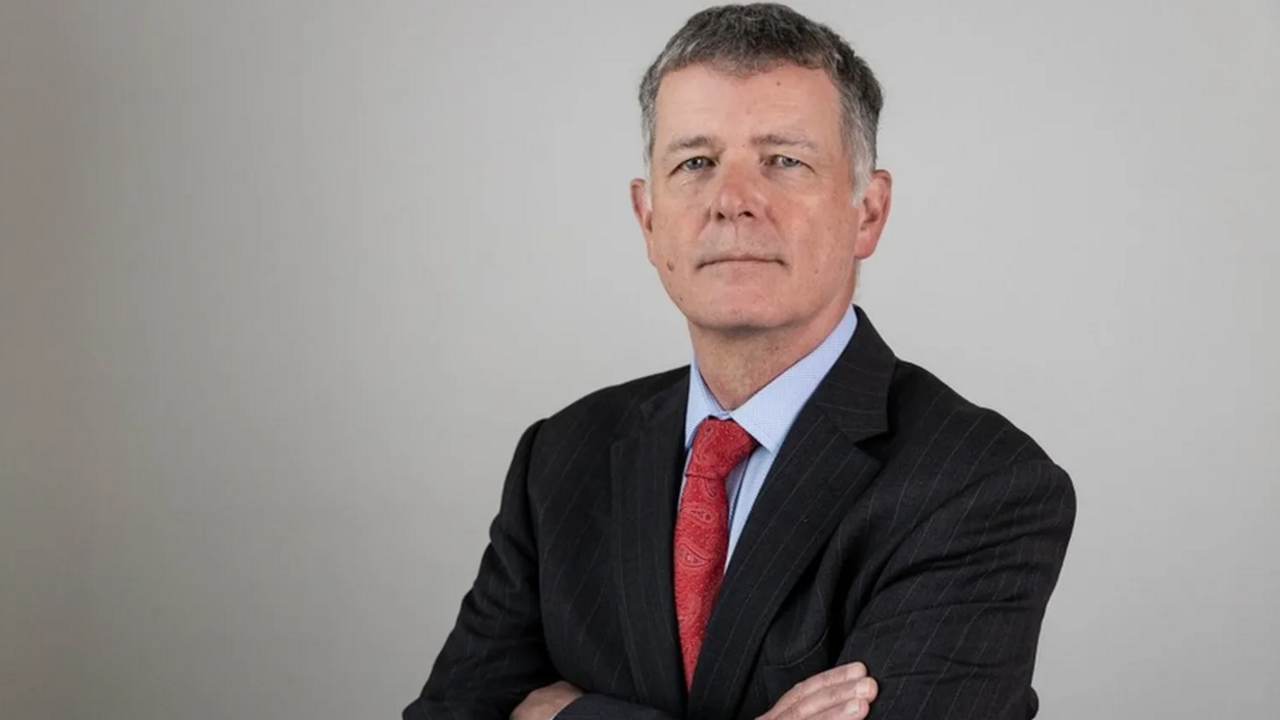
ISTANBUL (Realist English). Istanbul — long a city associated with espionage lore — provided the stage for Sir Richard Moore’s farewell as head of MI6. Speaking at the British Consulate in the historic Pera district, just steps from the Russian Consulate, Moore praised Turkey’s global importance but also used the occasion to urge Russians “with truths to share and the courage to share them” to contact MI6 through its dark web portal, Silent Courier.
Delivering part of his remarks in fluent Turkish, Moore said Turkey had been a “key player” in issues ranging from Syria to Russia’s war in Ukraine. But his subsequent comments in English, calling out Russian President Vladimir Putin’s “lack of concern for human life” and appealing for insider contacts, provoked indignation among Turkish commentators and diplomats.
Barcin Yinanc, a veteran diplomatic analyst, said Turkey’s lack of prior awareness of Moore’s remarks was “a scandal.” Others suggested Ankara risked humiliation by allowing the recruitment drive to be launched from its territory. “It shows the extent to which Ankara is locked in Britain’s embrace,” said Namik Tan, a former ambassador to Washington and now shadow foreign minister.
The timing also added sensitivity: Turkish President Recep Tayyip Erdogan is scheduled to meet U.S. President Donald Trump in Washington on September 25. Former ambassador Alper Coskun, now at the Carnegie Endowment, argued Moore knew his words would place Ankara in a difficult position, calling the move deliberate.
British press reports say Moore is among the top candidates to become the UK’s next ambassador to Washington, following the dismissal of Lord Peter Mandelson.
Turkey, a NATO member, has pursued a policy of “strategic ambivalence” since Russia’s February 2022 invasion of Ukraine. It blocked Russian naval ships from the Bosporus while simultaneously expanding gas imports from Moscow and facilitating onward exports to Europe. Analysts describe the relationship as pragmatic, shaped by mutual regional influence and “adaptive opportunism.”
Historians note that Turkey has long practiced such balancing acts. During World War II, it cooperated with Britain and France without formally entering the conflict, while Istanbul’s cafés teemed with spies. Today, observers say, a new generation of Russians fills the city, potentially providing opportunities for Western intelligence — but also complicating Ankara’s tightrope walk between East and West.
Moore also recalled Britain’s cooperation with Hayat Tahrir al-Sham, the al-Qaeda-linked group in northern Syria led by Ahmed al-Sharaa after his overthrow of Bashar al-Assad last year. Syrian Kurdish figures have accused both the UK and Turkey of enabling Sharaa’s rise — a charge Moore did not directly dispute.
The Kremlin has not responded to Moore’s remarks. But his Istanbul address has underlined Turkey’s precarious position, caught between NATO solidarity and its strategic ties with Moscow.