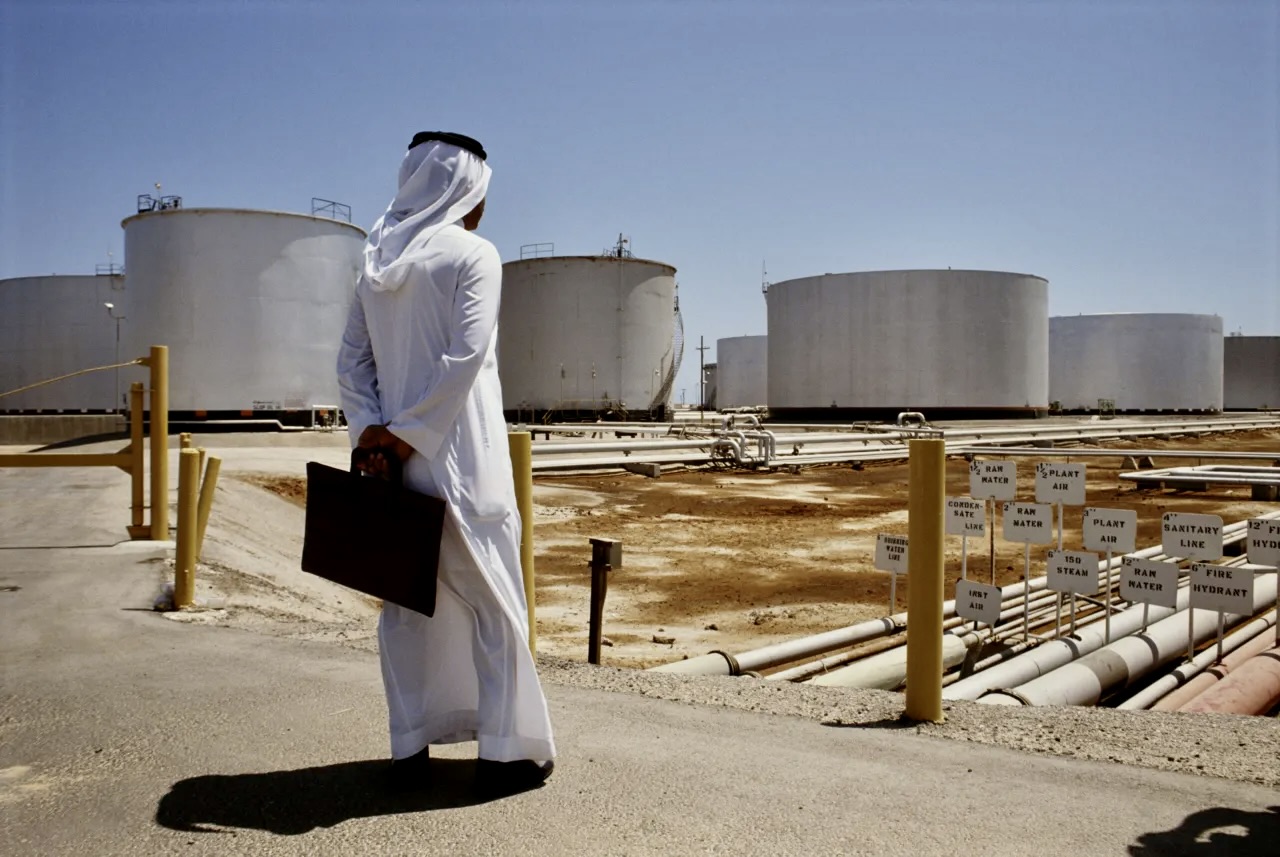
RIYADH (Realist English). On July 6, Saudi state oil company Saudi Aramco announced the largest price cut for Asian buyers in 26 years.
The official selling price (OSP) for its flagship Arab Light crude for August shipments was slashed by $11 per barrel — to $1.50 per barrel below the regional Oman/Dubai benchmark. As recently as July, the same grade was trading at a $9.50 premium to the same benchmark.
The reduction was significantly deeper than market forecasts: traders had expected a cut of only $8 per barrel. The last time Saudi crude was sold at a discount was during the price war with Russia in 2020 and previously in 2015.
Price Crash: Causes and Scale
The main factor behind the record reduction was the rapid restoration of shipping through the Strait of Hormuz following the signing of a temporary peace agreement between the US and Iran in mid‑June. For nearly four months, the strait — through which a fifth of the world’s oil passed before the war — had been effectively blocked.
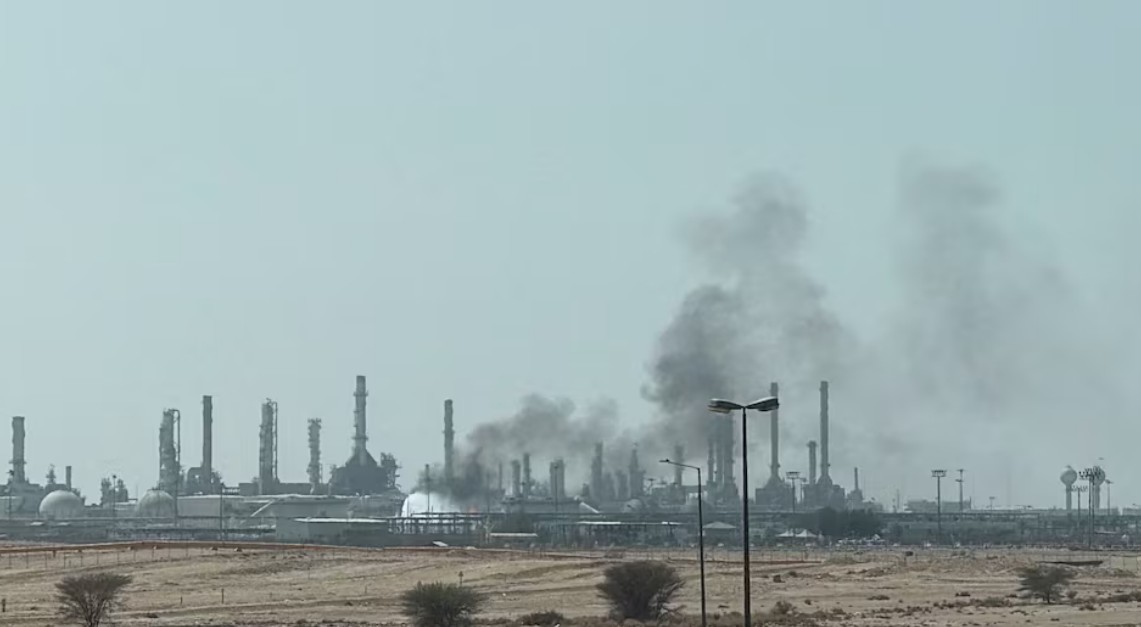
After the strategic artery reopened, millions of barrels that had been trapped in the Persian Gulf flooded the market. According to Kpler, loading at the Ras Tanura complex has resumed, indicating a systematic normalisation of exports rather than just a clearing of accumulated vessels. Saudi Aramco has already brought Ras Tanura loadings back to 90% of pre‑war levels.
At the same time, OPEC+ countries agreed on July 5 to increase production by 188,000 barrels per day in August — the fifth consecutive monthly increase. Previously, these decisions had been “symbolic,” as the blockade prevented exporters from boosting supplies.
As a result, Brent has erased all its war‑related gains and is trading below $72 per barrel.
Market Reaction and Regional Price War
The Saudi price cut has sent a signal across the region. Other major Gulf producers have already followed Riyadh’s lead:
- Abu Dhabi National Oil Co. cut its July price for Murban grade by $2.96.
- Iraq’s Somo cut July prices for Basrah Medium and Heavy by $4 per barrel.
Analysts warn that the scale of the Saudi reduction could force other Middle Eastern producers to implement even deeper price cuts in the battle for customers.
At the same time, even after the record reduction, some Asian buyers believe Saudi crude remains more expensive than offers from other regional suppliers available on the spot market.
Europe and the US: Even Deeper Discounts
Saudi Arabia cut prices for all key markets. For buyers in North‑West Europe and the Mediterranean, all grades were cut by $15 per barrel. For the US, the reduction was $8 per barrel.
Saudi Arabia’s decision has become the clearest evidence of tectonic shifts in the global oil market triggered by the end of the military conflict in the Gulf. The return of millions of barrels, falling demand from China and the resumption of shipping through the Strait of Hormuz have crushed prices and forced the world’s largest exporter to fight for customers with record discounts.
As Ahmed Mehdi, an analyst at Renaissance Energy Advisors, noted, “pricing must be competitive enough to revive China’s interest.” The coming weeks will show whether this marks the beginning of a full‑scale price war or merely a temporary correction.