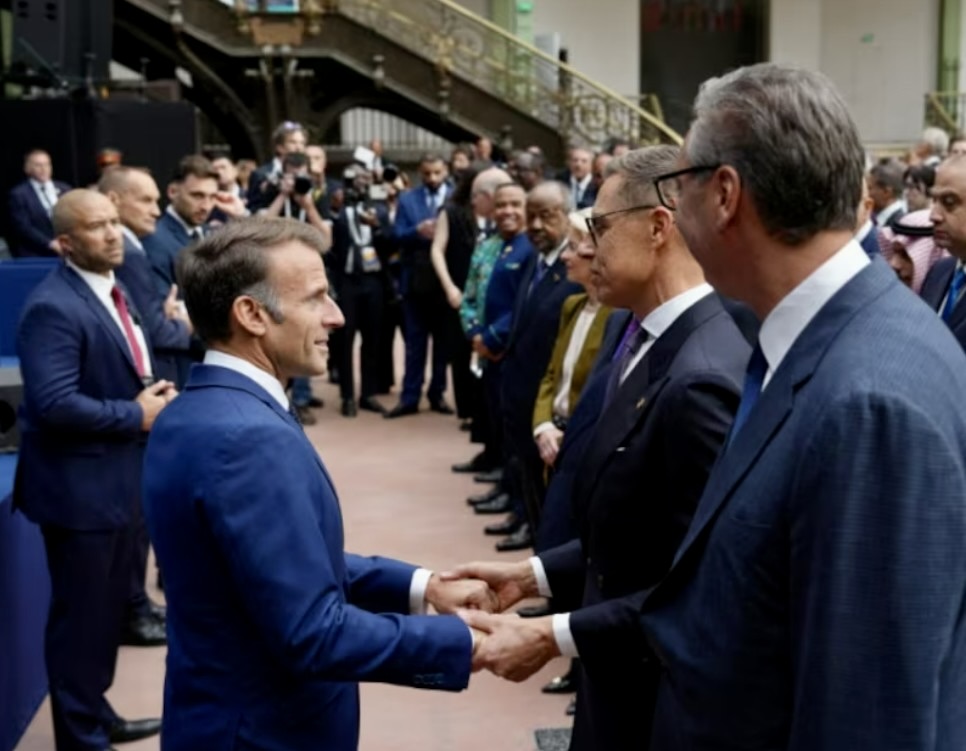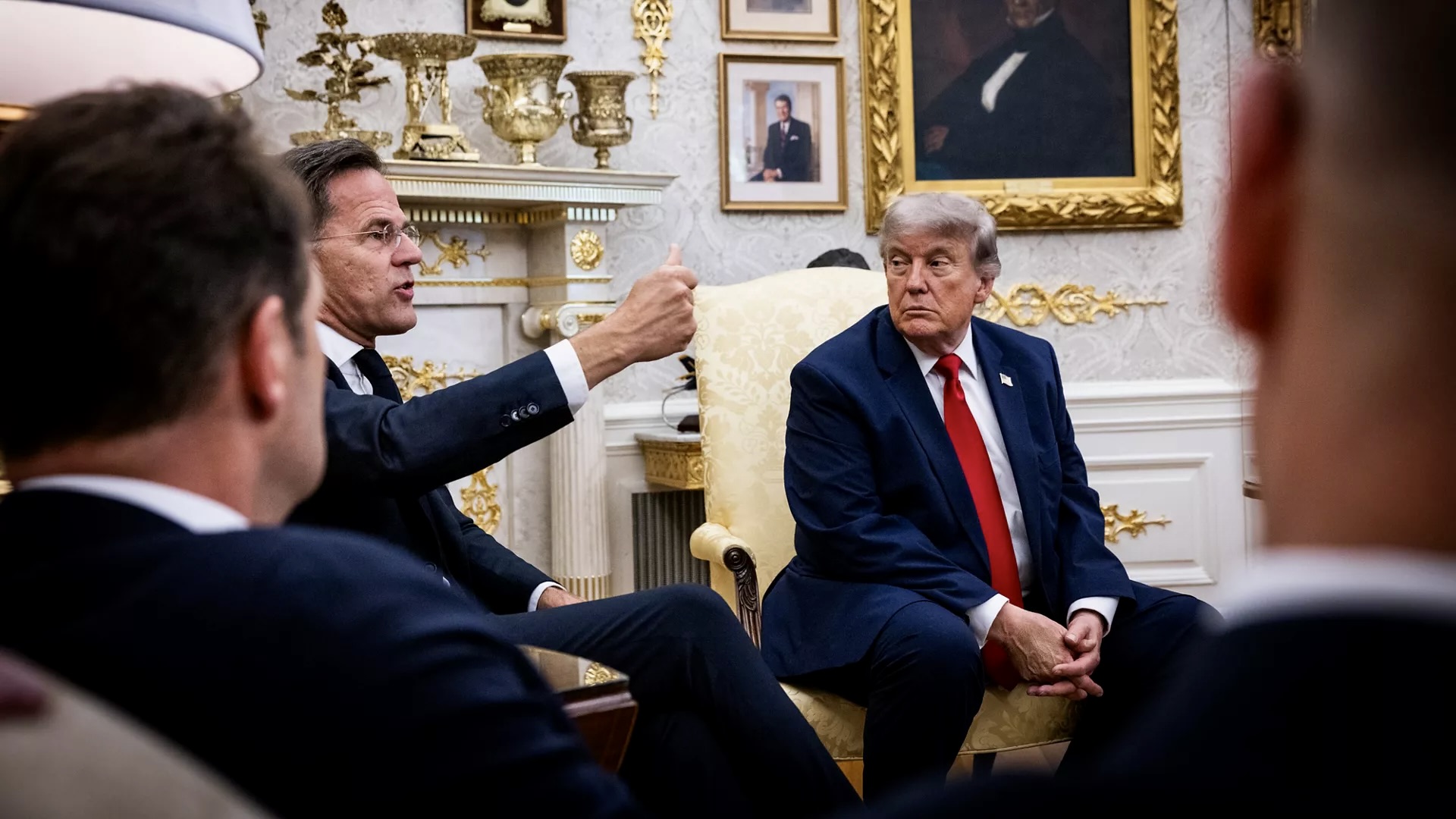
ANKARA (Realist English). NATO Secretary-General Mark Rutte, at a press conference on the eve of the alliance’s summit in Ankara, scheduled for July 7–8, acknowledged the existence of objective limits on allied capabilities to supply air defence systems to Ukraine.
“There is a limit to the number of interceptors available on NATO territory,” Rutte said in response to a question about Russian strikes on the Ukrainian capital.
‘Not an Endless Supply’: Limits of Production and Stockpiles
The alliance chief stressed that European NATO countries cannot fully meet all of Ukraine’s requests for air defence systems.
“There are limits to air defence production in Europe,” he stated.
According to him, production capacities for air defence systems in Europe are objectively constrained, and existing capacities cannot yet fully cover Kyiv’s needs.
Rutte noted that NATO is doing everything possible to compensate for the shortfall. In particular, the alliance is using the PURL (Prioritized Ukraine Requirements List) mechanism, which coordinates the purchase of US-manufactured weapons for Ukraine using European funds.
Interceptor missiles, he said, are reaching Ukraine right now.
However, the effectiveness of current supplies, in the alliance chief’s assessment, does not match the scale of threats Kyiv faces.
Interceptor Shortage and Strikes on Kyiv
Rutte’s admission came amid a critical situation with Ukraine’s air defence.
As the BBC notes, the war in the Middle East has severely depleted global supplies of Patriot interceptors, which are already produced in limited quantities. This shortage is felt most acutely in Ukraine.
In this context, Ukraine is urging allies to take immediate decisions on air defence at the upcoming summit, warning that delays in interceptor supplies are costing lives.
Context of the Ankara Summit and Russia’s Reaction
Rutte’s statement came ahead of the NATO summit in Ankara, which will be key in determining further support for Ukraine.
The Secretary-General stressed that “Ukraine is changing the dynamics on the battlefield, but needs our continued support, especially on air defence.” He also noted that European allies and Canada will invest $258 billion more in defence in 2025–2026 than in previous years.
Moscow has already reacted to Rutte’s admission. The Russian Foreign Ministry reminded that pumping Ukraine with weapons and using frozen Russian assets to finance Kyiv only prolongs the conflict and hinders a peaceful settlement.
The Kremlin stressed that arms supplies from NATO make alliance countries actual participants in the confrontation, which is absolutely unacceptable. The Russian side again stated its readiness for dialogue, but only on terms that take into account its security interests.
Mark Rutte’s admission has become a signal that NATO’s resources for the production and supply of air defence systems have objective limits.
This acknowledgement creates a challenging backdrop for the Ankara summit, where allies will have to strike a balance between promises of support for Ukraine and the real capabilities of their defence industries.
The question of whether the alliance and its members can ramp up production fast enough to close Ukraine’s “window of vulnerability” remains open.