ANKARA (Realist English). One day before the opening of the NATO summit in Ankara, two contrasting stories have come into focus: the fundamental transformation of the alliance itself and the repressive atmosphere in the host country.
British historian Timothy Garton Ash has called the “Europeanisation” of NATO the main task of the meeting, while Turkish authorities continue to purge the opposition, detaining journalists and activists.
‘Europe’s Two Cores’: Why NATO Needs Europeanisation
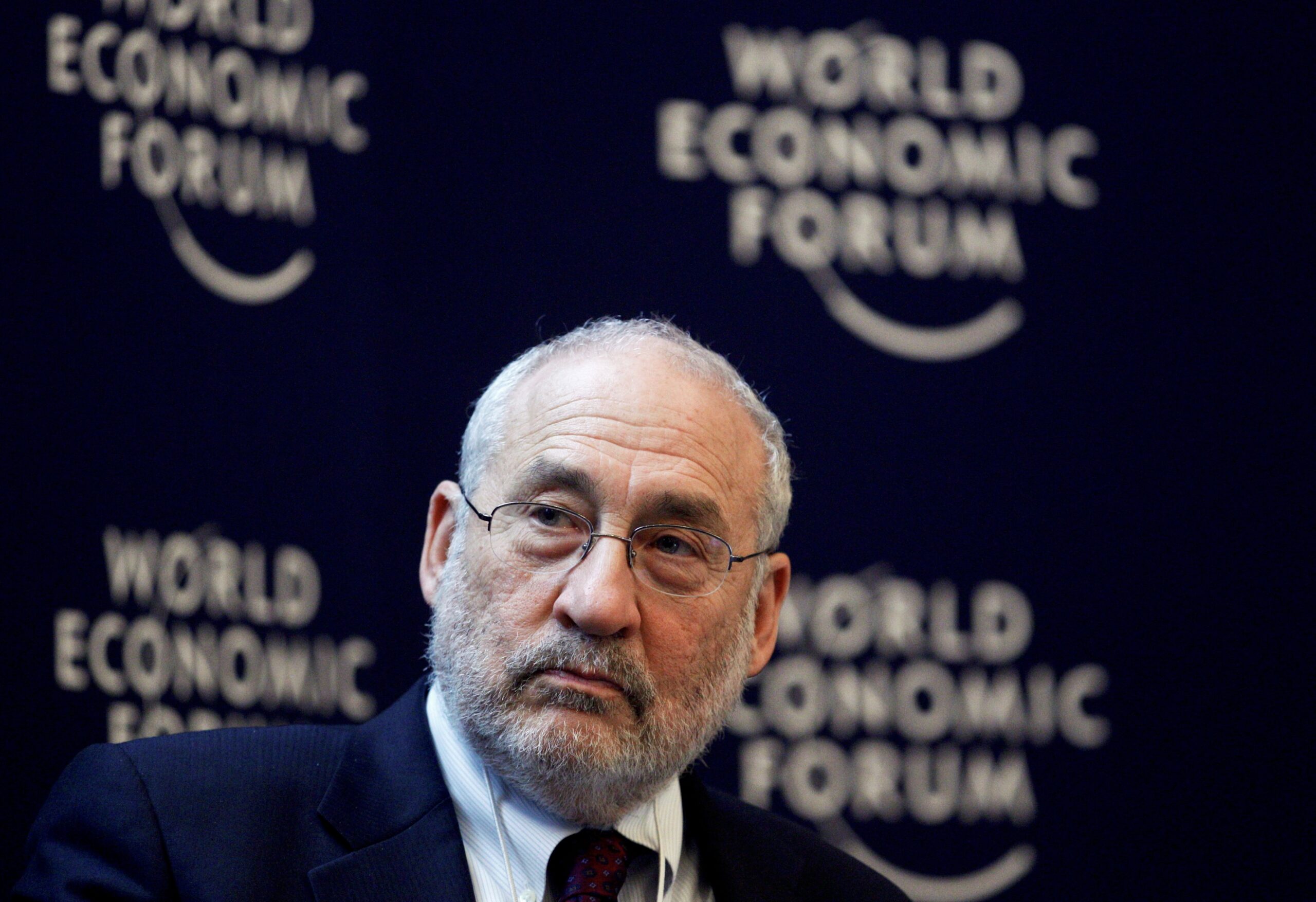
On the eve of the summit, Timothy Garton Ash, professor of European studies at Oxford University, published a column in which he named the “Europeanisation” of NATO as the main challenge facing alliance leaders in Ankara.
In his view, modern Europe has two cores: the economic-political core — the European Union, and the military-political core — NATO. Both organisations are headquartered in Brussels, but for decades they have not interacted sufficiently. Meanwhile, 23 European countries belong simultaneously to both cores, representing about two-thirds of Europe’s combined GDP.
The turning point came with Donald Trump’s return to the White House in 2025, which called the future of the alliance into question. As ISPI notes, Europeans are going to Ankara demanding the creation of a “more European” NATO.
However, analysts warn that if a “Europeanised” NATO is to be more than just a slogan, it must rest on two premises: Europe’s ability to absorb the reduction in US presence without catastrophic capability gaps, and Europe’s ability to exercise collective leadership within the alliance when American political leadership weakens or turns inward.
The material base for this is already being built: defence spending in EU countries reached €343 billion in 2024 and is forecast to reach €381 billion in 2025. In February 2026, allies agreed on a new distribution of senior officer posts, under which European allies will receive all three four-star NATO joint force commands. The question in Ankara, as The Times of India writes, is not whether this Europeanisation is happening, but how far it will go.
The Other Side of the Summit: The Ankara Crackdown
While European diplomats discuss the future of the alliance, Turkish authorities have conducted a large-scale “clean-up” operation against the opposition in the days leading up to the summit. According to the BBC, journalists, lawyers, teachers, trade union activists and environmentalists have been detained in recent weeks. Authorities have imposed a ban on demonstrations in Ankara until July 10, and independent Turkish media have complained of being denied accreditation for the summit.
The most resonant case was the arrest of stand-up comedian Deniz Göktas. He was detained at Istanbul airport on his return from holiday for a YouTube performance that garnered 9.4 million views. He has been charged with “inciting hatred and enmity” as well as insulting President Recep Tayyip Erdoğan.
The Istanbul prosecutor’s office said it had received 185 complaints about the comedian’s performance. During interrogation, Göktas said he had no intention of insulting religious feelings or the president, and that his remarks were purely satirical.
On July 5, according to the Financial Times, two journalists and dozens of opposition activists were arrested. Among those detained were Büşe Söğütlü, international editor of the online publication T24, and OdaTV journalist Cerin Erdoğdu. Last week, according to the Financial Times, more than 200 people were detained on suspicion of terrorism, including about three dozen retired environmentalists.
According to Reuters, a protest against NATO organised by Turkey’s Communist Party took place in Ankara on Sunday, during which more than 100 participants were detained.
Erol Önderoğlu, head of Reporters Without Borders’ Turkish office, condemned the “blind, arbitrary and chaotic operations” that endanger the “reputation and safety of journalists.”
The Turkish Journalists’ Association (TGC) also condemned the arrests, stating that “it is unacceptable for journalists to be pressured and for attempts to silence them through threats of detention.” Human Rights Watch warned of “far-reaching restrictions” on the opposition, the media and freedom of speech in general.
The NATO summit in Ankara is taking place against a backdrop of deep contrast. On one side — the historic transformation of the alliance, where European allies are trying to rethink their role amid the uncertainty emanating from Washington.
On the other — the host country, which is using the summit as a pretext for a large-scale suppression of dissent, calling into question NATO’s very commitment to the democratic values that the alliance professes.
As Garton Ash writes, Europe’s strength lies in the existence of its two cores, but the Ankara summit shows that within one of these cores — the military-political one — a deep internal conflict is brewing between strategic ambitions and political reality.