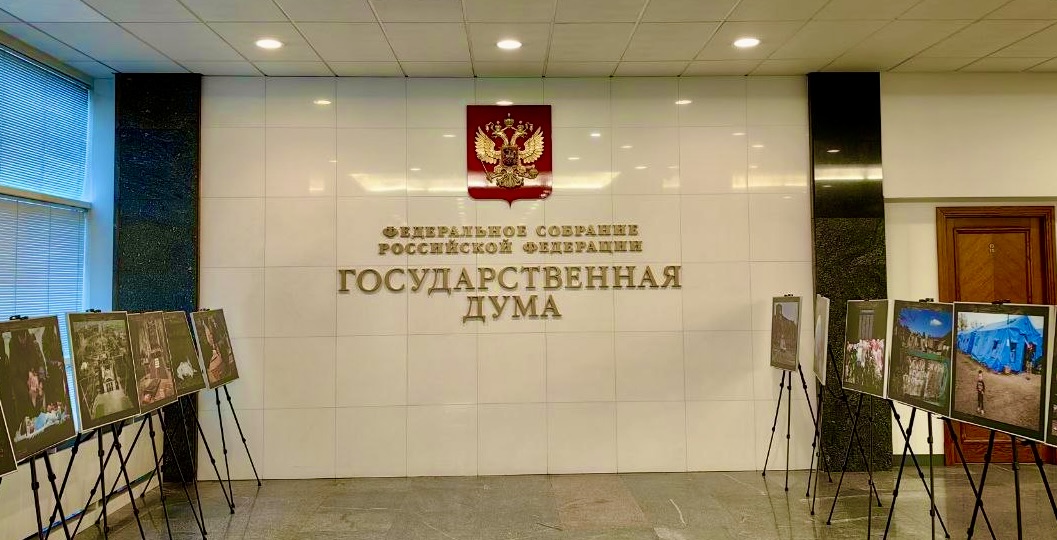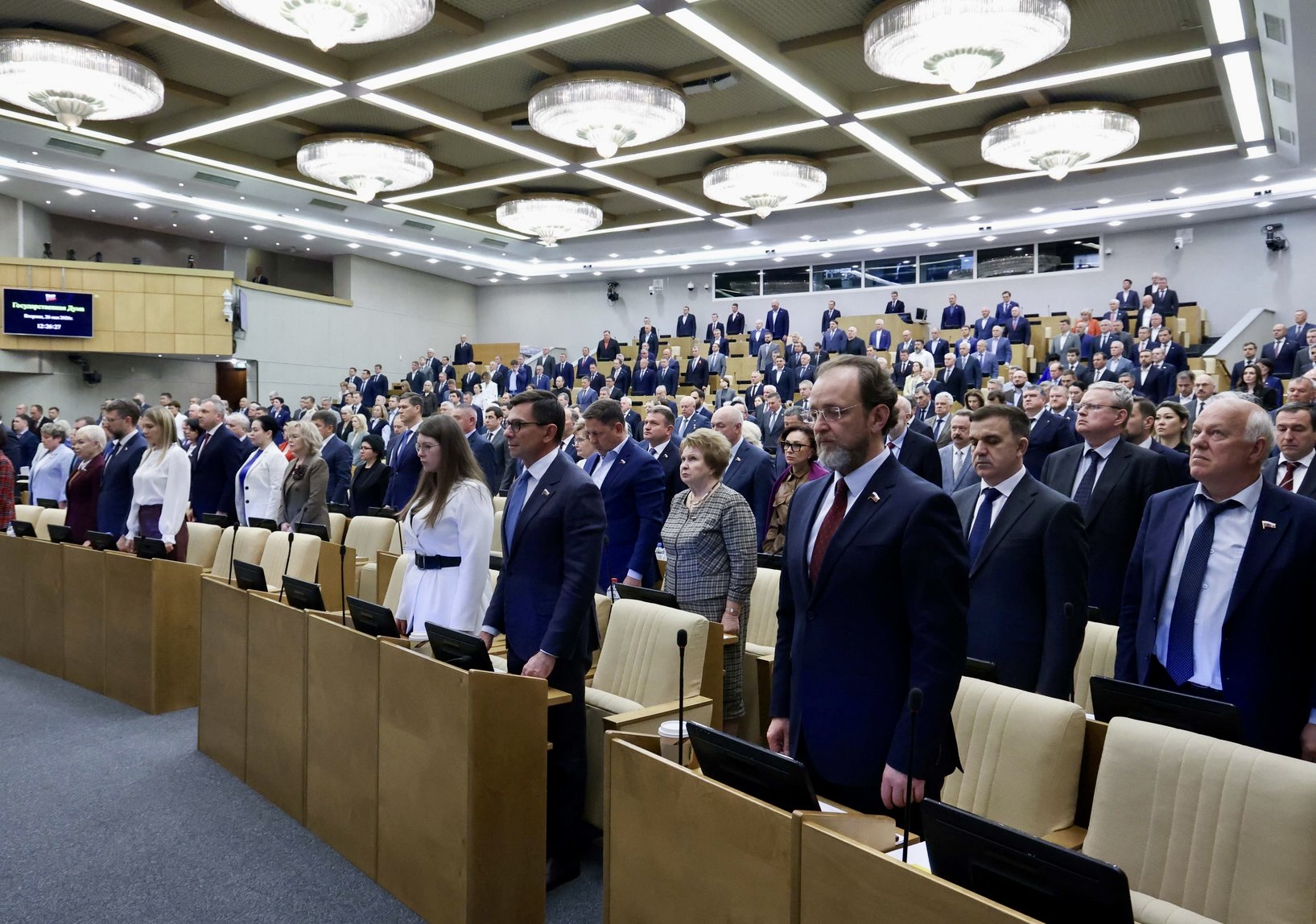
MOSCOW (Realist English). The spring session of the State Duma, extended until July 17, is drawing to a close, but dozens of bills remain on the agenda.
The parliament has passed more than 50 laws, considered dozens of initiatives in the first reading and approved a number of important decisions in the social, economic and defence spheres.
Social Support: Mortgage Holidays for Families with Children
A key decision of June was the law on mortgage holidays for families with children, adopted on June 23 in both the second and third readings.
Now families in which a second or subsequent child is born can take credit holidays on their mortgage for up to one and a half years. Previously, such an opportunity was provided only for six months and subject to a number of conditions.
As State Duma Chairman Vyacheslav Volodin explained, in the first six months the borrower is fully exempt from paying interest, and from the 7th to the 18th month, interest payments can be deferred and paid in equal instalments after regular payments resume.
Holidays can be applied for within 180 days from the date of birth or adoption of the child. The new rules apply to contracts concluded before they came into force.
Migration Policy: Stricter Controls
In the area of migration policy, the State Duma adopted a package of laws significantly increasing state fees for foreign citizens:
- the fee for obtaining Russian citizenship increased 12‑fold — from 4,200 to 50,000 rubles;
- for temporary residence permits — 8‑fold, from 1,900 to 15,000 rubles;
- for permanent residence permits — 5‑fold, from 6,000 to 30,000 rubles.
In addition, on July 6, deputies are set to consider a bill expanding the grounds for deporting migrants from 22 administrative offences to 45. Also scheduled for this week are amendments to the military service law.
Citizen Protection: From Cyber Fraudsters to Military Protection Abroad
On June 9, the State Duma adopted in the second and third readings a second package of measures to protect Russians from telephone and internet fraud. The law provides for:
- the ability to independently block any phone calls from abroad;
- the introduction of labelling for international calls;
- mechanisms to protect against malicious software;
- a six‑hour delay for suspicious transfers.
On June 5, a law came into force allowing the Russian Armed Forces to be deployed to protect Russian citizens abroad. The decision to send troops is made by the president in cases where Russian citizens are arrested, detained or persecuted by decisions of foreign courts.
Public Health: Regions Authorised to Ban Vapes
On June 9, the State Duma passed a law granting regions the right to impose a complete ban on the retail sale of vapes, e‑liquids and other electronic nicotine delivery systems.
At the same time, state fees for issuing licences for wholesale and retail trade in tobacco and nicotine‑containing products were set from October 1, 2026. Large‑scale unlicensed sales will incur criminal liability.
Protection of Historical Memory and Foreign Policy Statements
At the end of June, Vyacheslav Volodin made a number of resonant statements. On June 21 in Brest, at the 70th session of the Parliamentary Assembly of the Union of Belarus and Russia, he stated that any attempts to justify Nazism must be resolutely suppressed and punished. “Take away memory — take away sovereignty,” the speaker stressed.
On June 22, at the international forum “Great Heritage — Common Future,” Volodin declared that Russia and Belarus would not allow anyone to trample on the memory of those who liberated the world from fascism.
In mid‑June, Volodin also emphasised that only the achievement of the goals of the special military operation could stop the evil that had revived in Ukraine with the support of Western countries.
July Plans: AI, Russian Post and Bankruptcy Reform
In July, the State Duma plans to consider a number of important bills. Before the end of the spring session, deputies intend to adopt the government’s basic draft law on supporting the development of artificial intelligence technologies. The initiative is designed to create a legal framework to stimulate development in the AI sector.
On July 8, the second reading of the bill on supporting Russian Post may take place, which, among other things, abolishes the commission fee for Russian Post when accepting payments for housing and utilities.
On July 7, the second reading of the bill on bankruptcy reform is scheduled, aimed at increasing the chances of debtor companies to restore solvency. On July 17, deputies will consider in the third reading the bill on quotas for harmful atmospheric emissions.
The second half of June and the beginning of July have been a period of intense legislative work for the State Duma, covering a wide range of issues — from social support for families to stricter migration legislation and defence initiatives. Ahead are the final sessions of the spring sitting, during which several dozen more bills will be considered.