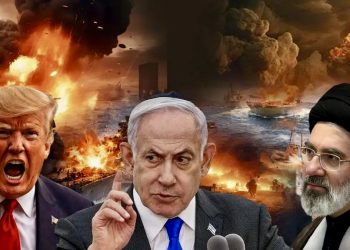


WASHINGTON (Realist English). The diplomatic process between the United States and Iran has completely stalled. President Donald Trump harshly rejected Tehran’s response, calling it “garbage” and “completely unacceptable”, and described the ceasefire as being “on life support”.
Iran, for its part, accused Washington of derailing the talks and demanded an end to the war on all fronts. Against this backdrop, Israel continues to insist on a military solution, while oil prices show renewed volatility.
Talks: from mediation to full crisis
On 11 May 2026, Tehran, through Pakistani mediators, handed Washington its official reply to the American plan for settling the two‑month conflict. Early on 12 May, Trump lashed out on his Truth Social platform:
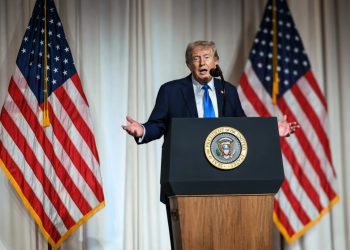
“I have just read the response of the so‑called representatives of Iran. I don’t like it – COMPLETELY UNACCEPTABLE!”
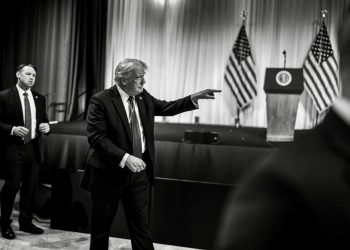
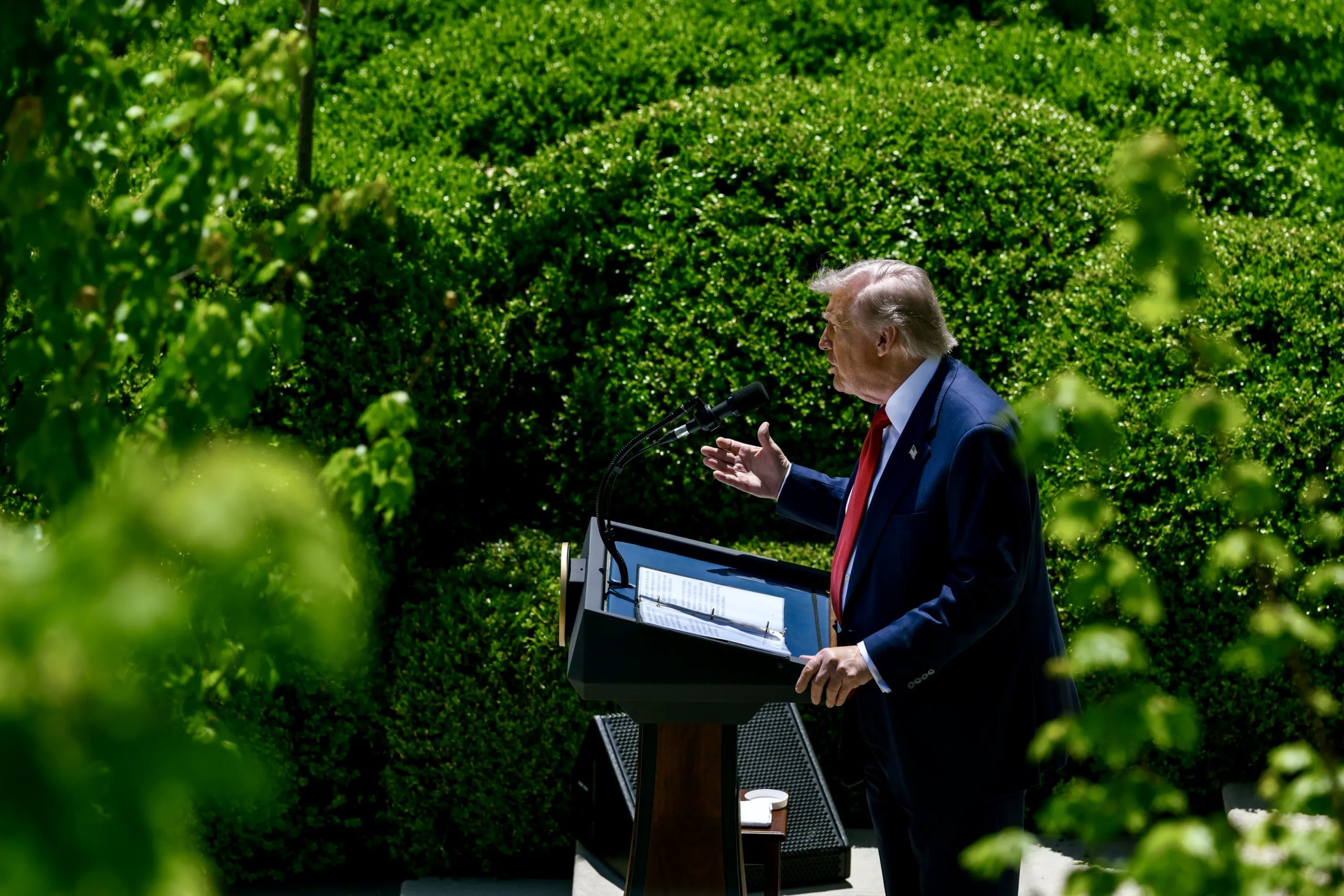
Later that day, speaking in the Oval Office, the US president toughened his rhetoric. He called the Iranian initiative “garbage” and said he had not even read it to the end. Trump also said that Iran was now weaker than ever and on “life support”, and that the ceasefire with the Islamic Republic was in a “very fragile state” and literally “hanging by a thread”.
According to media reports, Tehran focused on the general conditions for ending the war. The main Iranian demands, conveyed through mediators, included:
- An immediate end to the war on all fronts – including Israeli strikes on Lebanon.
- Lifting US sanctions and ending the naval blockade (Iranian officials have repeatedly stated that the blockade must be lifted before any discussion of the nuclear programme).
- Recognition of Iran’s right to manage shipping in the Strait of Hormuz.
At the same time, Tehran refused to include the nuclear issue on the agenda of future talks – a red line for Washington. Moreover, Iranian Foreign Ministry spokesman Esmaeil Baghaei said that the US had “twice in nine months destroyed the negotiating table” and called for focusing on unblocking the Strait of Hormuz rather than the nuclear programme.
Pakistani mediation and the allies’ position
Pakistan, the main mediator between the sides, continues to try to keep the diplomatic process alive. Despite the harsh rhetoric, Islamabad says it does not intend to give up its mediating role. However, sources in the Pakistani government admit that Tehran’s response contains “no substantial changes” on key issues.
Meanwhile, Washington’s NATO allies are expressing growing concern. European diplomats fear that the US may rush into a shallow framework agreement that will only exacerbate problems rather than solve them. EU foreign policy chief Kaja Kallas warned that a deal limited to the nuclear dossier while ignoring Iran’s missile programme and support for proxy forces could prove weaker than assumed.
Israeli front: “We are not finished yet”
Against the backdrop of the diplomatic stalemate, the Israeli leadership continues to insist on military methods. In an interview with CBS’s “60 Minutes”, Prime Minister Benjamin Netanyahu said that the joint US‑Israeli military operation against Iran was “not yet finished” and that there remained tasks that needed to be accomplished.
According to media reports, Israel is actively lobbying Washington to resume military action, insisting on strikes against Iranian energy infrastructure. Netanyahu also demands that the US prevent the export of Iranian enriched uranium and achieve the complete dismantlement of Iran’s nuclear programme. Israeli Defence Minister Israel Katz, for his part, warned that Israel had “additional targets” for attack and that the army was ready to immediately return to a wide‑ranging campaign.
Oil market under tension
Trump’s statements immediately affected global oil prices. On the morning of 12 May, during Asian trading, the benchmark Brent crude jumped 4.65% to $99.95 a barrel. Analysts attribute the rise to traders’ realisation that a diplomatic way out of the crisis is unlikely and that the blockade of the Strait of Hormuz will continue.
Tehran’s reply this time was deliberately unacceptable to Washington: bringing Lebanon into the agenda and demanding the lifting of the blockade before any discussion of the nuclear dossier have blocked the talks.
Trump, for his part, has fallen into a trap of his own rhetoric – he cannot make open concessions to Tehran ahead of his upcoming summit with China, yet a military solution risks a new spiral of escalation.
Israel, sensing support, is pushing the US toward war. The deadlock is clear, and while diplomats search for a way out, oil prices continue to rise.