TEHRAN (Realist English). On 6 and 7 May 2026, the situation around the Iranian file was marked by contradictory signals.
The US administration claims progress in negotiations with Tehran, but Iranian officials deny information about an imminent deal, calling media reports fabricated.
At the same time, military action continues: US forces in the Gulf of Oman immobilised an Iranian tanker, and Israel carried out an airstrike on the suburbs of Beirut, for the first time since mid‑April breaking the fragile truce with Hezbollah.
Progress of US–Iranian talks
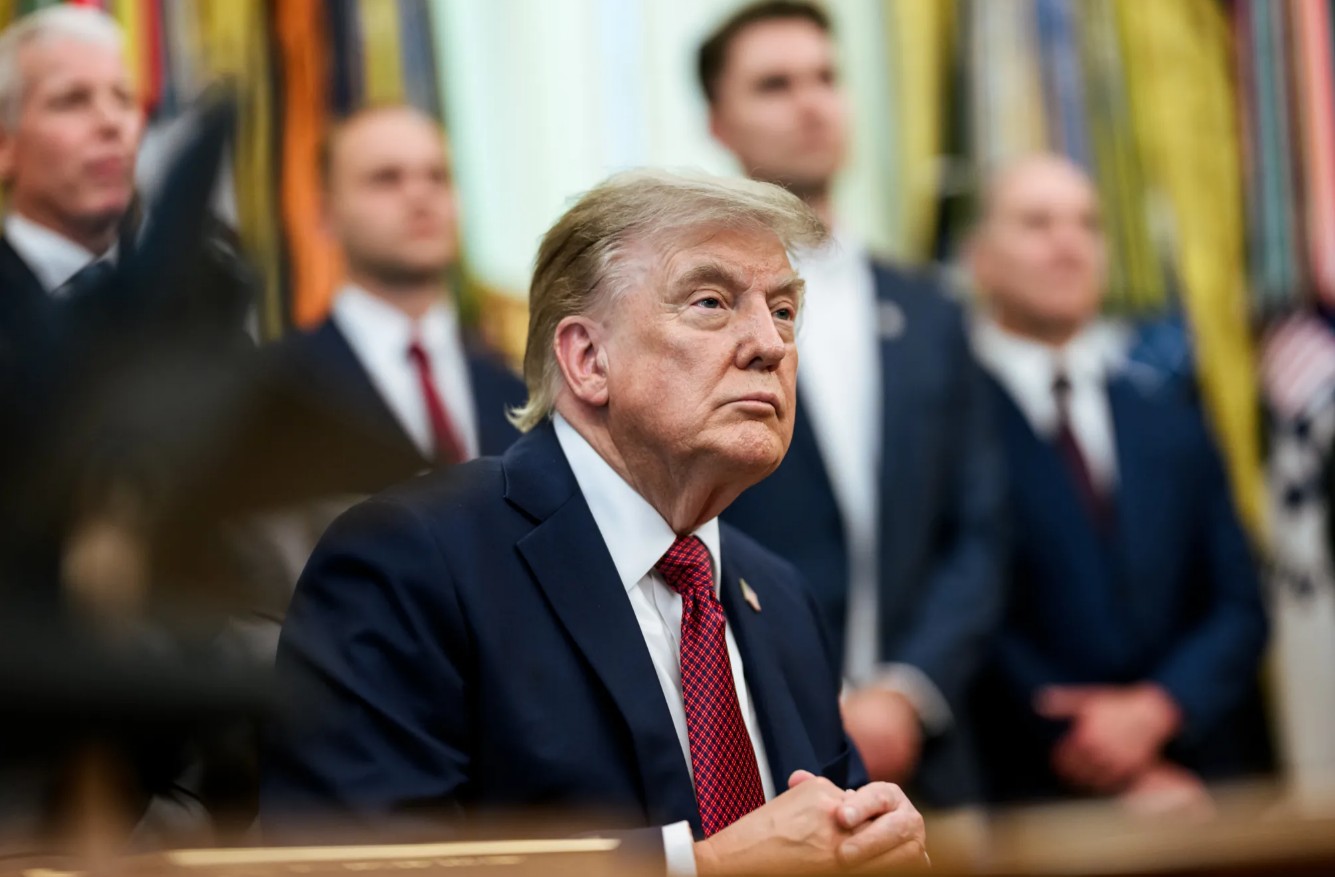
On 7 May, US President Donald Trump said a deal with Iran was “very possible” and the sides were “very close” to an agreement. According to leaks in Axios, a draft one‑page memorandum of understanding is being prepared, comprising 14 points.
The document is supposed to announce an end to the war, launch a 30‑day period of detailed negotiations on unblocking shipping in the Strait of Hormuz, lifting sanctions, and limiting Iran’s nuclear programme.
Iranian officials, however, are sceptical. An official spokesman for the Iranian Foreign Ministry said the US proposal was still being considered and that Tehran would convey its position to Pakistan (the mediator) after completing its assessment.
The spokesman for the parliamentary national security committee, Ebrahim Rezaei, called the leaks an “American wish‑list” that does not reflect the real state of affairs and threatened a “harsh response” to any pressure. The semi‑official Fars news agency called the information about the memorandum a “fake” designed to influence global markets.
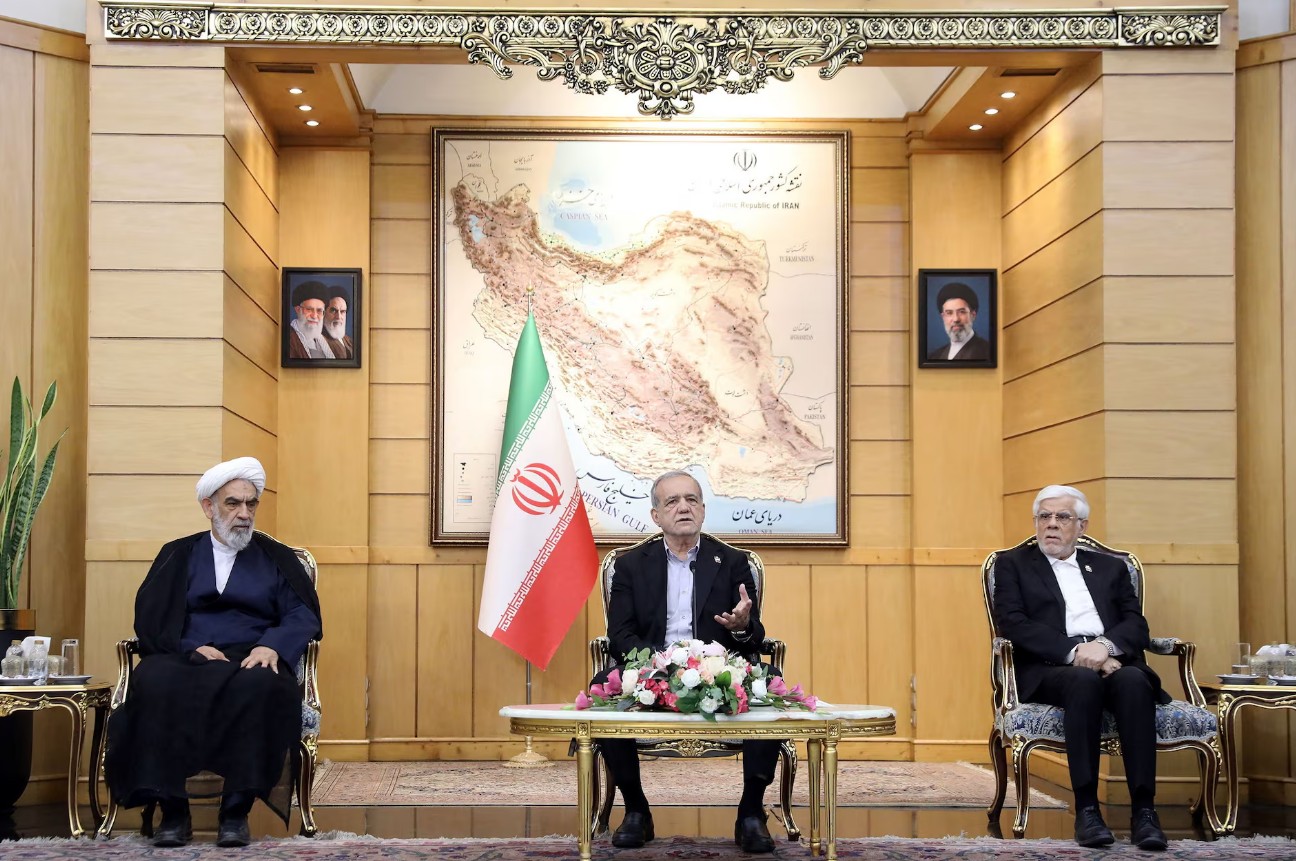
At the same time, parliamentary speaker Mohammad‑Bagher Ghalibaf does not deny the fact of talks but warns that Washington is trying to force Iran’s capitulation through the blockade. On 7 May, Iranian Foreign Minister Abbas Araghchi met in Beijing with Chinese Foreign Minister Wang Yi, discussing the ongoing negotiations and the prospects for building a new regional architecture after the conflict ends.
Situation in the Strait of Hormuz and US actions
On 6 May, US forces detected a violation of the blockade of Iranian ports. The Iranian‑flagged tanker M/T Hasna was heading towards an Iranian port in the Gulf of Oman, bypassing the Strait of Hormuz.
After receiving several warnings and ignoring them, the vessel was attacked by an F/A‑18 Super Hornet fighter launched from the aircraft carrier USS Abraham Lincoln (CVN 72).
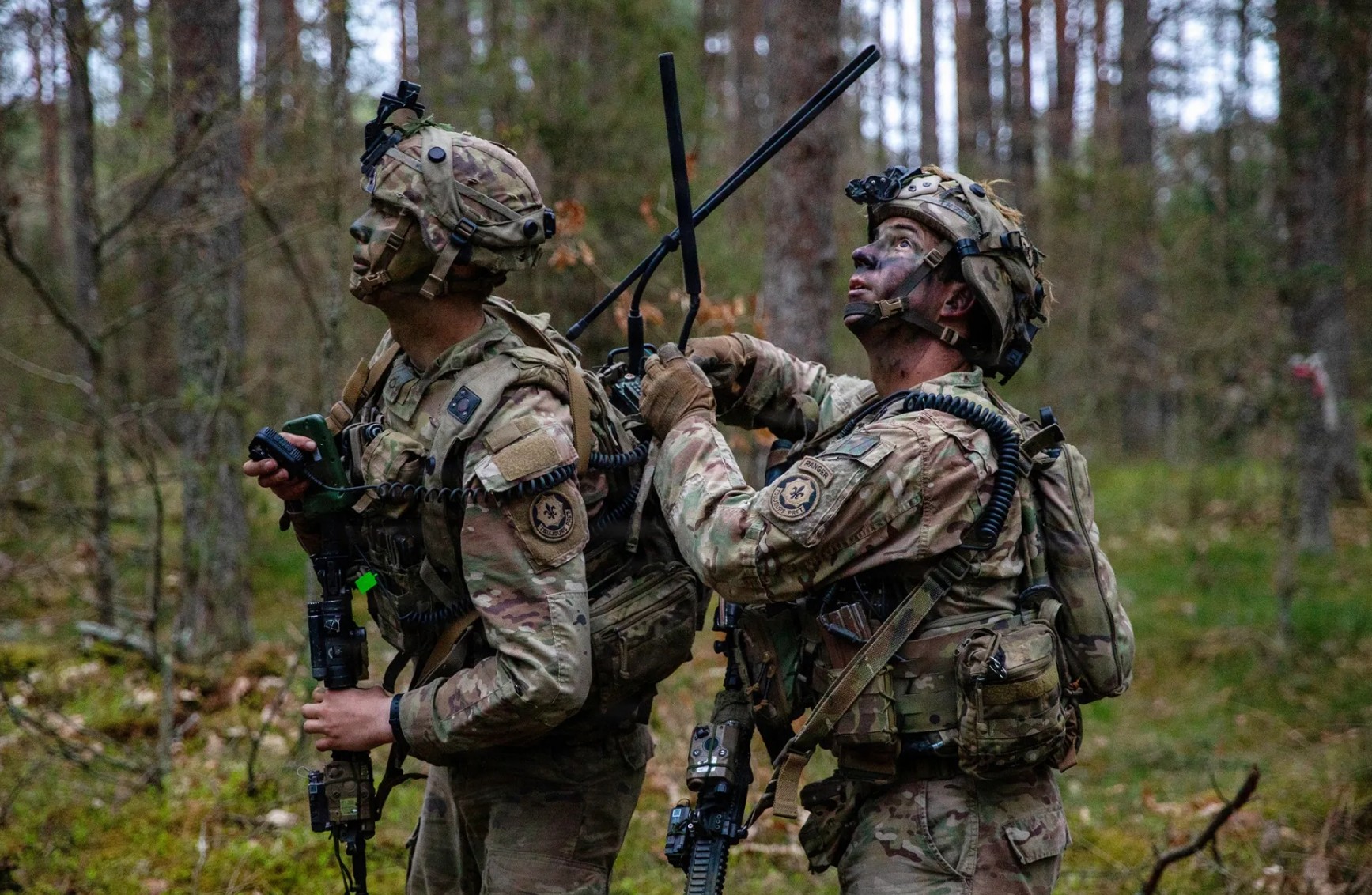
Several rounds from a 20mm cannon disabled the tanker’s rudder. US Central Command (CENTCOM) confirmed that the vessel was no longer heading toward Iran and that the blockade remains in full force.
According to the Royal United Services Institute (RUSI), over three weeks of the blockade the US has forced the diversion of 38 Iran‑related vessels, inspecting them as far away as the Indian Ocean.
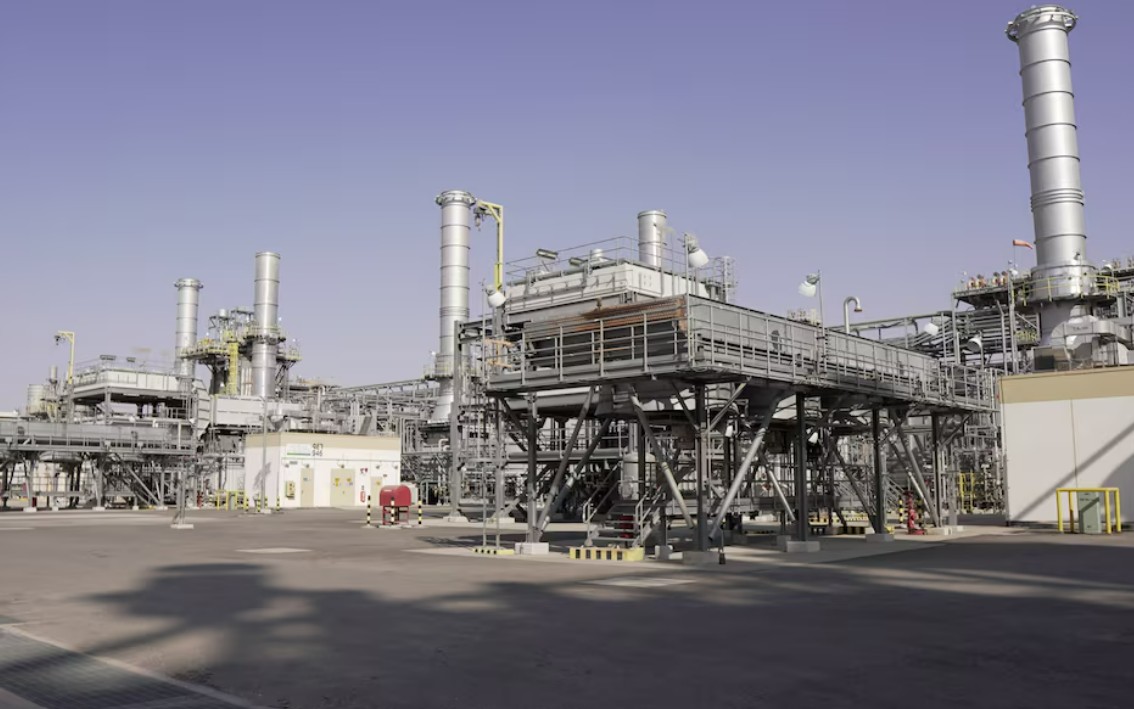
Against this background, the price of Brent crude oil dropped by about 11% to around $98 per barrel, which analysts attribute to hopes of unblocking the strait.
Israel’s foreign policy toward Iran and Lebanon
On 6 May, Israeli aircraft struck the southern suburbs of Beirut – the first such attack since the mid‑April truce with Hezbollah. According to Israeli officials, the target was a commander of the elite Radwan unit, Malki Blot, whom Israel believes was killed.
In the subsequent shelling of southern and eastern Lebanon, according to Lebanese authorities, 17 people died, including the mayor of one village and three members of his family.
Lebanese Prime Minister Nawaf Salam said it was premature to discuss a meeting with Israeli Prime Minister Benjamin Netanyahu and demanded that Israel provide a timetable for the withdrawal of its forces.
On 6 May, the chief of staff of the Israel Defense Forces, Lieutenant General Eyal Zamir, said that Israel has additional targets for attack on Iranian territory and that the army is ready to immediately return to an “intensive and wide campaign”.
According to Israeli media, Tel Aviv fears that a possible US–Iranian memorandum could restrict Israel’s freedom of action against Hezbollah in Lebanon.
Expert opinions
- The Royal United Services Institute (RUSI) notes that the US blockade is effective in the far field, but Iran partially compensates for its losses by charging a fee for passage through the strait from third‑party vessels.
- Murad Sadygzade (HSE University) said: “Of course, it is too early to talk about this.” The expert recalls that Donald Trump has repeatedly prematurely declared an imminent victory, and that the US administration could return to aggressive actions at any moment.
- DW (Berlin) argues that Israel–Lebanon talks will not bring peace because Hezbollah is not involved and the military imbalance is too great.
The situation in the Middle East is marked by the parallel development of diplomatic and military tracks. The US seeks to reach a temporary agreement with Iran, but Tehran is biding its time and consulting with China. Israel, fearing that future agreements may limit its freedom of action, is stepping up pressure on the Lebanese front. In the Gulf of Oman, US forces continue to enforce the blockade by force. Oil prices are volatile as markets wait for political decisions.