

MIAMI (Realist English). US President Donald Trump said his administration may temporarily ease sanctions on certain oil-producing countries in an effort to stabilize energy prices as the conflict involving the United States, Israel and Iran continues to disrupt global markets.
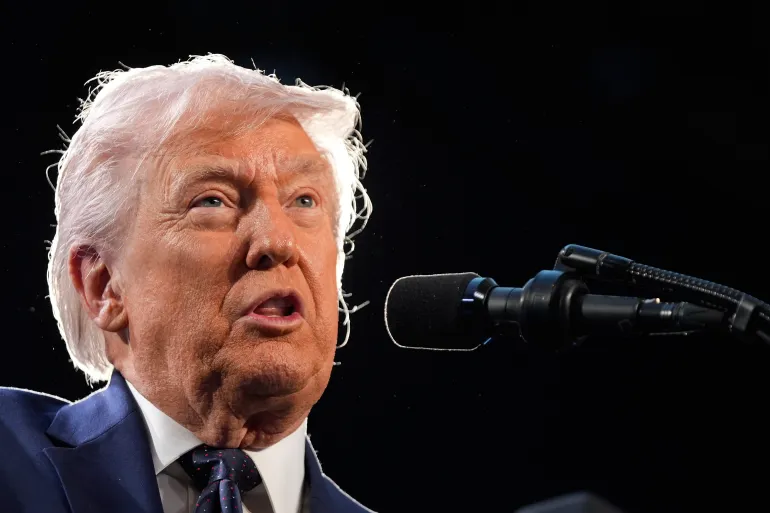
Speaking Monday at a news conference at his golf club in Miami, Trump said Washington could suspend some sanctions affecting oil exports while markets remain under pressure.
“We have sanctions on some countries, and we’re looking at taking some of them off until things settle down,” Trump said. “Then maybe we won’t even need to put them back if peace returns.”
The president did not specify which countries might receive sanctions relief. The United States currently maintains restrictions on the oil sectors of several major producers, including Russia, Iran and Venezuela.
According to Reuters, citing sources familiar with the discussions, the administration is considering steps that could ease pressure on Russian oil exports as part of broader efforts to prevent further price increases.
US Treasury Secretary Scott Bessent previously announced a 30-day waiver allowing limited Russian oil sales to India amid concerns that supply shortages could intensify global market instability.
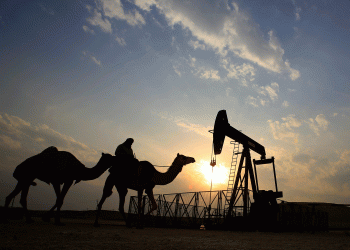
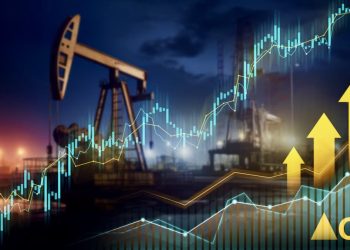
Energy markets have been highly volatile since the United States and Israel launched military strikes against Iran on February 28. Crude prices briefly surged toward $120 per barrel before retreating sharply. Following Trump’s comments, Brent crude was trading near $84 per barrel early Tuesday.
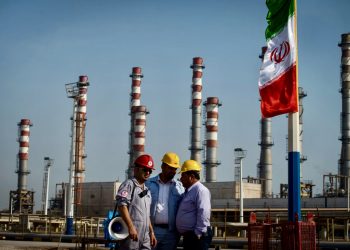
The conflict has severely disrupted energy transport routes in the Middle East. Iranian threats have effectively halted tanker traffic through the Strait of Hormuz, a critical maritime corridor that normally handles roughly one-fifth of the world’s oil supply.
With shipments largely suspended, several Gulf producers have begun cutting production as storage facilities fill with unsold crude.
Regional energy infrastructure has also come under pressure. Israeli strikes have targeted Iranian oil facilities, while drone attacks blamed on Iran have hit energy infrastructure in several US allies, including Qatar, Saudi Arabia and Kuwait.
Analysts warn that prolonged disruption of the Strait of Hormuz could drive prices significantly higher.
Homayoun Falakshahi, head of crude oil analysis at market intelligence firm Kpler, said oil prices could reach record levels if the strait remains closed for an extended period.
“If the disruption continues through April, prices could rise to new highs,” he said.
Trump has offered mixed signals about the expected duration of the conflict. While he told reporters Monday that the war could end “very soon,” he also said military operations would continue until Iran was “totally and decisively defeated.”
Earlier in the day, Trump told Republican lawmakers that the United States had already achieved significant military success but that the campaign had not yet reached its final objective.