NEW YORK (Realist English). The removal of Venezuelan President Nicolás Maduro by the administration of US President Donald Trump is unlikely to trigger a sharp reaction in global oil markets in the near term, analysts told CNBC, citing Venezuela’s limited current output and an already oversupplied market.
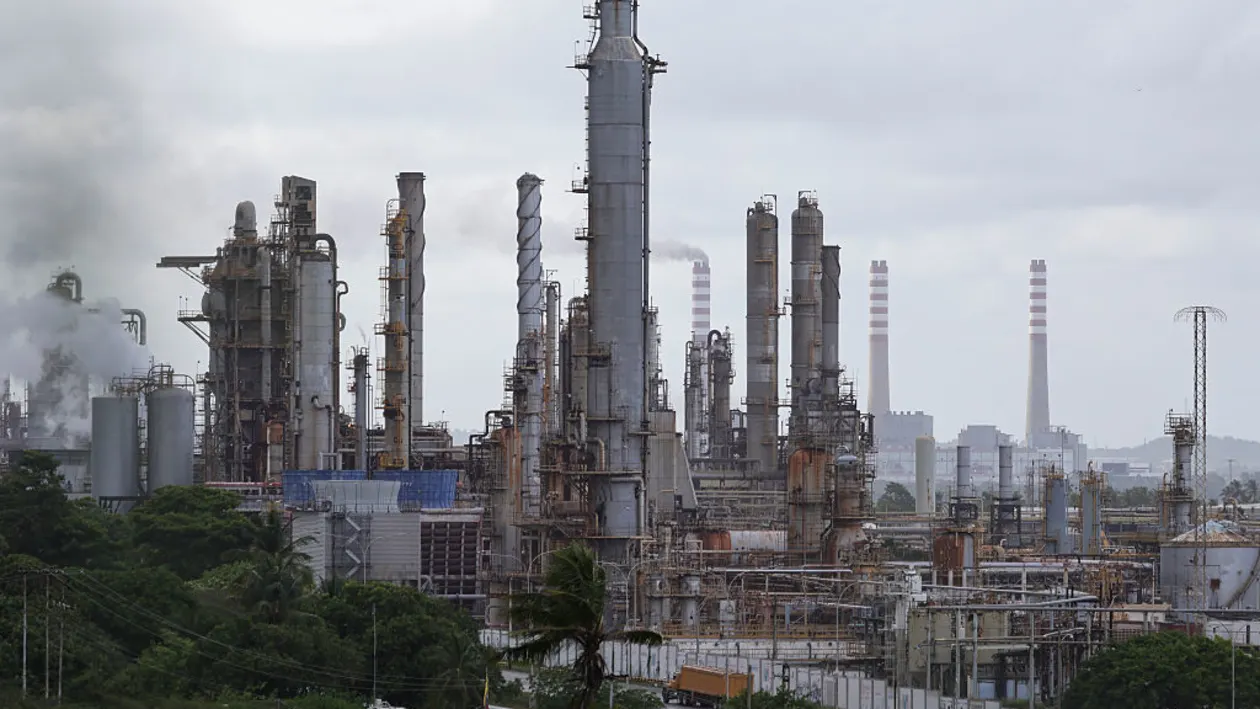
While the scale of the US operation took markets by surprise, traders had largely priced in the risk of disruption to Venezuelan exports, said Arne Lohmann Rasmussen, chief analyst at A/S Global Risk Management. Venezuela holds the world’s largest proven oil reserves but currently produces less than 1 million barrels per day — under 1% of global supply — exporting roughly half of that volume.
The impact is further muted by weak seasonal demand and high inventories. Rasmussen estimates Brent crude prices may rise by only $1–2 when futures reopen, before easing below last week’s close of $60.75. “This is a major geopolitical event, but there is simply too much oil in the system for prices to surge,” he said.
Bob McNally, president of Rapidan Energy, said as much as one-third of Venezuela’s output could face short-term risk, but stressed that even a partial disruption would not materially affect global balances. Oil prices have already been under pressure, with Brent down about 19% last year amid rising output from OPEC+ and record US production.
Analysts note that the longer-term effect could be bearish rather than bullish. A political transition in Caracas may eventually allow Venezuelan production to rise significantly if sanctions are lifted and foreign investment returns. Saul Kavonic of MST Financial said exports could climb toward 3 million barrels per day over time under a new government.
For now, US sanctions remain in place. Trump said American oil companies would eventually invest billions to rebuild Venezuela’s energy sector, though details remain unclear. Analysts caution that major investments are unlikely until the country’s political future is clarified, given past expropriations and outstanding debts owed by Venezuela’s state oil company.
In that context, markets are focused less on immediate disruption and more on whether Venezuela could, over time, add substantial new supply — a prospect that would reinforce downward pressure on prices rather than spark a rally.