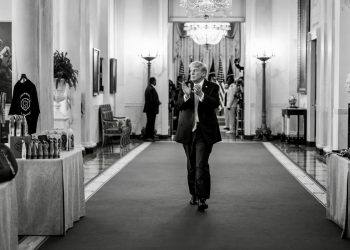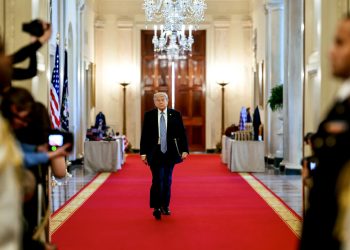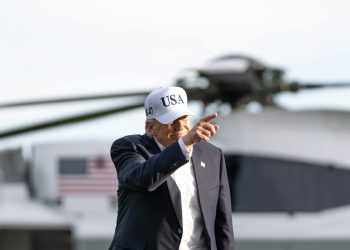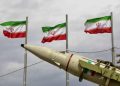


WASHINGTON (Realist English). The United States and Iran have agreed to a two-week ceasefire, with U.S. President Donald Trump suspending planned strikes on Iranian infrastructure in exchange for the reopening of the Strait of Hormuz.
The agreement was reached late Tuesday, shortly before a deadline set by Washington for Tehran to respond to U.S. demands. Trump said he would halt attacks on targets including bridges and power facilities if Iran ensured the “complete, immediate, and safe” reopening of the strategic waterway.
Iran’s Supreme National Security Council confirmed it had accepted the ceasefire and would enter negotiations with the United States in Islamabad later this week. Foreign Minister Abbas Araghchi said transit through the strait would resume under Iranian military oversight, though it remains unclear how fully restrictions will be lifted.
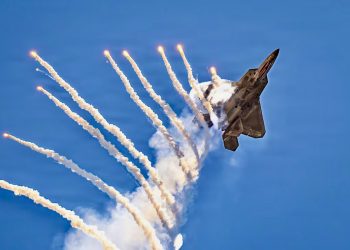
Despite the announcement, fighting continued across the region. Missile alerts were reported in several Gulf states, while strikes persisted in Iran, Israel and Lebanon in the hours following the deal, underscoring the fragility of the truce.
Israel, led by Prime Minister Benjamin Netanyahu, said it had agreed to the ceasefire but indicated it may not fully apply to operations involving Hezbollah in Lebanon, highlighting unresolved fronts in the conflict.
The ceasefire plan reportedly includes provisions allowing Iran and Oman to collect transit fees from vessels passing through the Strait of Hormuz — a key global energy chokepoint handling roughly one-fifth of the world’s oil supply. Iranian officials have also reiterated demands including sanctions relief, the release of frozen assets and a reduction of U.S. military presence in the region.
Markets reacted immediately. Oil prices fell by more than 17% following the announcement, while Asian equities rose, reflecting expectations of reduced supply disruptions after weeks of volatility.
The conflict has already inflicted significant human and economic costs. More than 1,900 people have reportedly been killed in Iran, with additional casualties across Israel, Lebanon and Gulf states. The war has also triggered widespread displacement and disrupted global energy and supply chains.
While the ceasefire marks the most significant diplomatic breakthrough since the conflict began, key details — including enforcement mechanisms and the exact timeline — remain unclear. Analysts warn that without sustained de-escalation and progress in negotiations, the agreement risks collapsing under continued military pressure.
The coming days of talks in Pakistan are expected to determine whether the ceasefire can evolve into a broader settlement — or remain a temporary pause in an increasingly volatile regional conflict.