


DAVOS (Realist English). US Treasury Secretary Scott Bessent has publicly acknowledged that American sanctions played a role in destabilising Iran’s economy and fuelling recent public unrest, describing the pressure campaign as a form of “economic statecraft.”
Speaking to Fox News on Tuesday on the sidelines of the World Economic Forum, Bessent said the sanctions had contributed to sharp economic dislocation in December. “It’s worked because in December, their economy collapsed,” he said, citing the failure of a major bank, money creation by the central bank, a shortage of dollars and difficulties importing goods. “This is why the people took to the streets.”
Bessent added that the strategy amounted to “economic statecraft” achieved without military action. “No shots fired. Things are moving in a very positive way here,” he said.
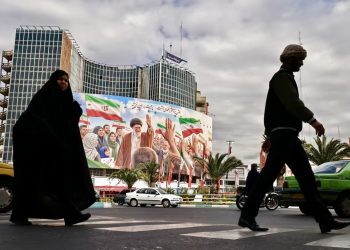
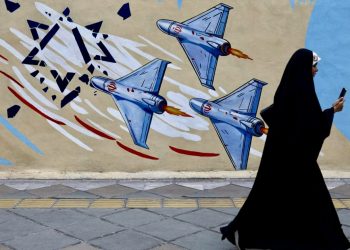
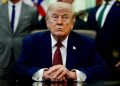
His comments followed weeks of protests across Iran that began over economic hardship and later escalated into violence. The unrest intensified after public statements by US and Israeli officials, including warnings from US President Donald Trump that Washington could take military action if Tehran confronted demonstrators.
Iranian officials have blamed foreign interference for the escalation, while US and Israeli authorities have said they support pressure on Tehran over its domestic policies. Claims that outside actors sought to exploit the protests have been reported by regional media but have not been independently verified.
Iran’s economic challenges are widely attributed to a combination of factors, including heavy reliance on oil revenues, extensive state involvement, long-running US sanctions, currency volatility and structural weaknesses. Washington has maintained broad restrictions on Iran’s banking, energy and trade sectors for decades, arguing they are necessary to curb Tehran’s policies.
Iranian authorities say the sanctions have driven inflation, disrupted supply chains and placed pressure on ordinary citizens, while rejecting what they describe as efforts to use economic hardship as justification for foreign intervention.