MOSCOW (Realist English). Over the past week, Russia’s foreign policy has centered around the celebration of the 81st anniversary of Victory Day, which became not only a tribute to memory but also a platform for high-profile political statements.
President Vladimir Putin held a series of meetings with foreign delegations, made unexpected peace initiatives, and outlined new conditions for dialogue with the West and Kyiv.
Parade Without Equipment: “Courage Not to Distract”
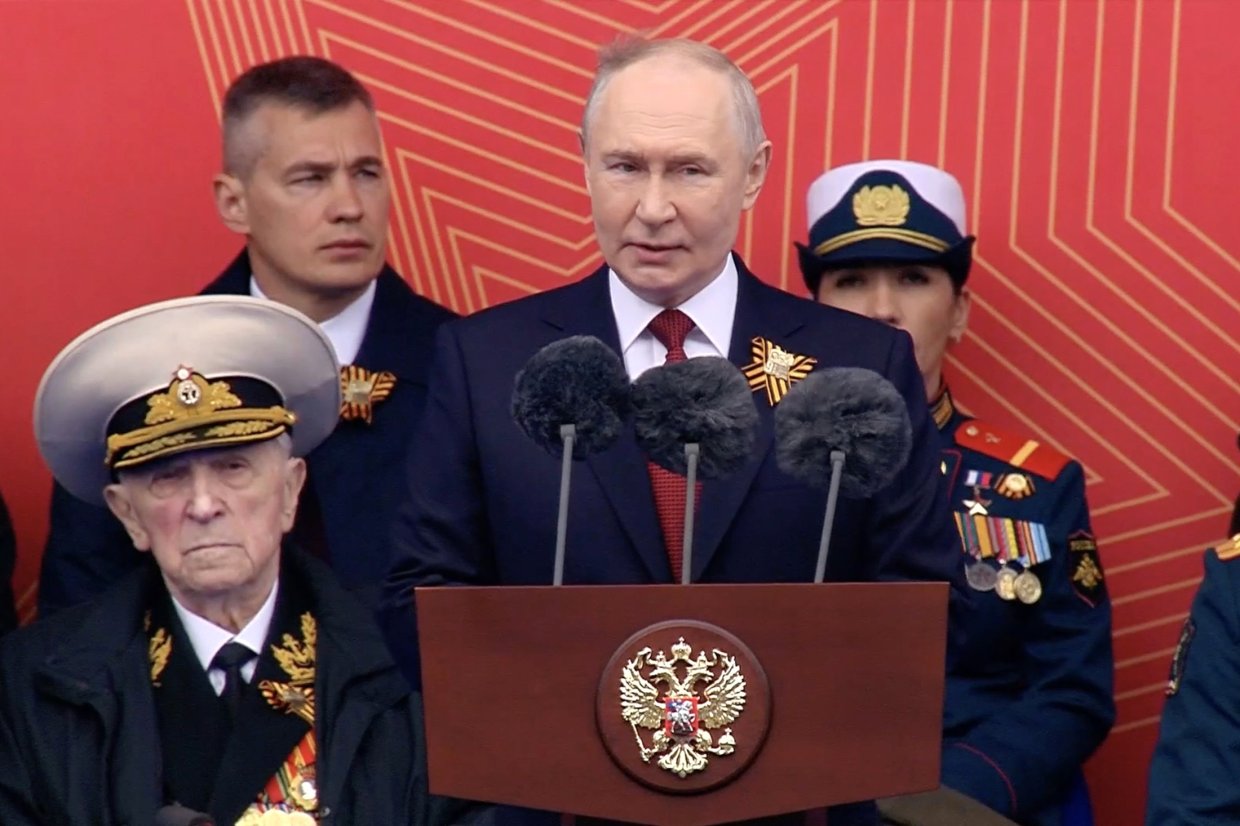
The main event of the week was the Victory Day Parade on Red Square, which this year took place without military equipment. As Vladimir Putin explained, this decision was dictated not only by security considerations but also by a desire not to distract military personnel from their tasks in the special military operation zone.
“You saw that I am here; the Ministry of Defense hasn’t reported any provocations to me yet. I’ll return to my workplace, and there the military will report to me,” the president said, answering questions from journalists after the ceremonial events.
Contrary to Western media forecasts, the parade was not disrupted. Moreover, Putin noted with satisfaction that the Kremlin had no information about any provocations during the festive days.
Foreign Guests: Courage to Come and the Ceasefire Surprise
Despite the lack of official invitations (the event was not a jubilee), delegations from several countries arrived in Moscow. The most notable presence was the delegation of the Bosnian entity Republika Srpska, led by President Sinisa Karan, Chairman of the National Assembly Nenad Stevandic, and SNSD leader Milorad Dodik.
At a meeting with them in the Kremlin, Putin emphasized the centuries-old closeness of the Serbian and Russian peoples, expressing confidence in the further development of partnership relations.
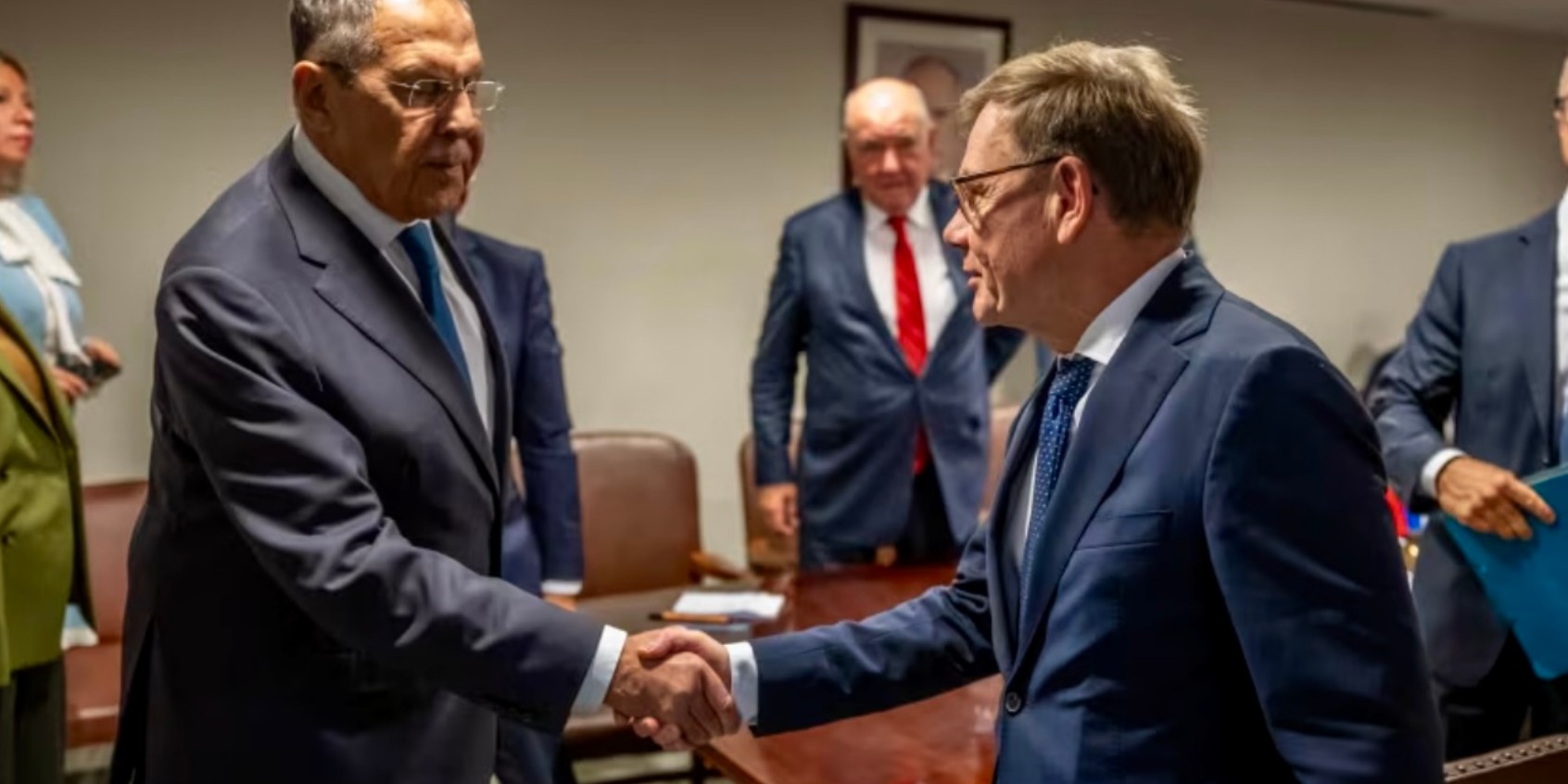
Simultaneously, a wave of congratulations went through diplomatic channels. The UAE Minister of Foreign Affairs, Sheikh Abdullah bin Zayed Al Nahyan, congratulated Sergei Lavrov on Victory Day during a phone call, and they discussed the situation around the critically important Strait of Hormuz.
However, the main surprise for the guests, according to Putin, was that they learned about the three-day ceasefire with Ukraine, proposed by US President Donald Trump, only upon arrival. “They showed personal courage by coming at such a difficult moment,” the Russian leader said, appreciating their decision.
The Ukrainian Track: Ceasefire, Zelensky’s “Clowning,” and Meeting Conditions
The key event of the week was the observance of the ceasefire regime from midnight on May 8. Putin detailed the diplomatic background of this decision. According to him, initially Kyiv’s reaction was negative, but after the US supported the initiative, the Ukrainian side had to agree. At the same time, Putin emphasized that Russian troops were prepared for a tough response in case the celebratory events were disrupted.
“We had a plan to launch massive missile strikes on the center of Kyiv. What’s unclear about that? That was precisely what was intended as retaliatory action,” the president said, adding that this was followed by an official note from the Foreign Ministry.
However, the issue of prisoner exchange was not resolved during these days. Putin said that on May 5, Moscow handed Kyiv a list of 500 people ready for exchange but was refused.
“At first, the reaction was: ‘We need to take a closer look, maybe not all 500, maybe 200,’ and then they completely fell off the radar and directly said they were not ready for this exchange,” the president recounted.
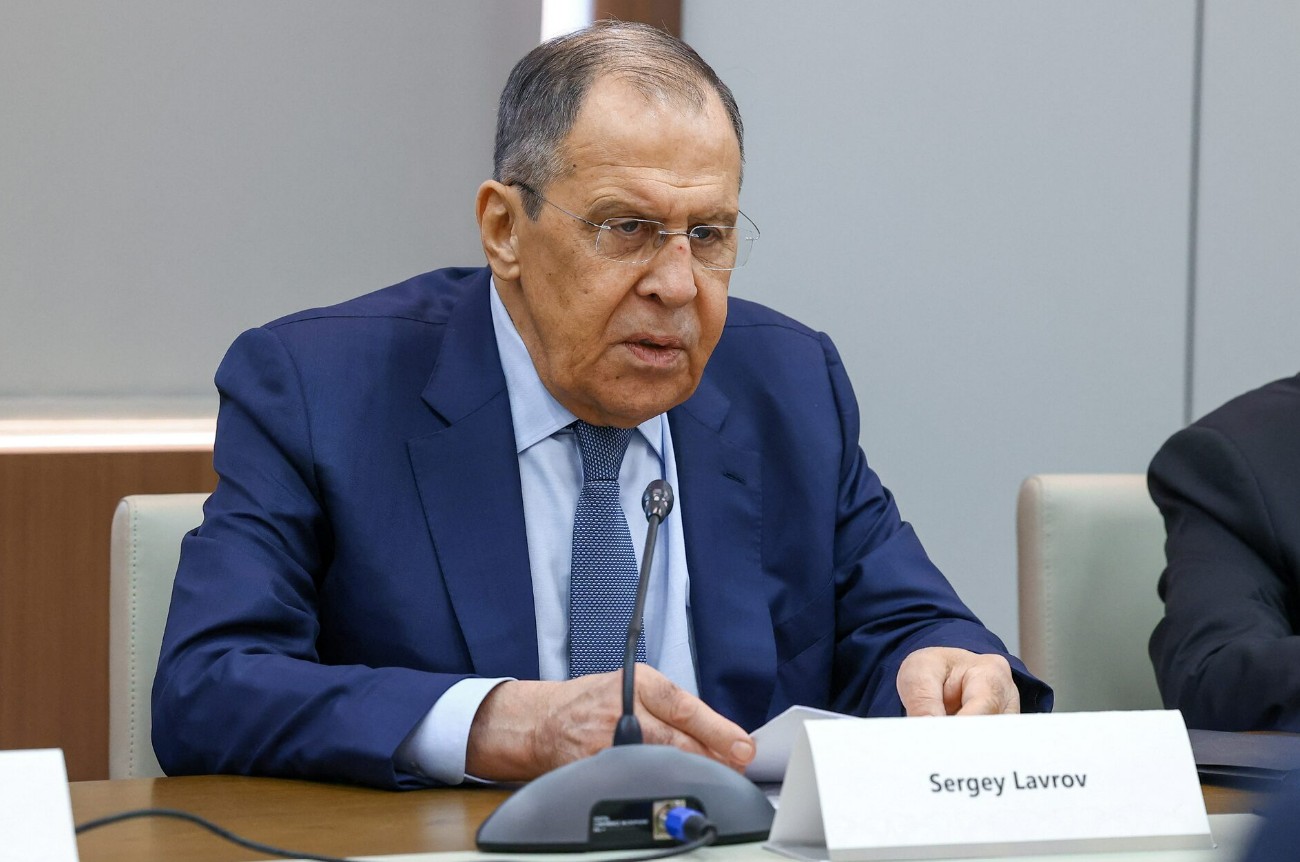
In its assessments of the Ukrainian leadership, Russian diplomacy was uncompromising. Lavrov, in his characteristic manner, commented on Vladimir Zelensky’s decree “permitting” Russia to hold the parade.
“Vladimir Zelensky is a good comedian, but he is trying to play a tragedy. But in history, it happens the other way around: tragedy turns into farce,” Lavrov said. Presidential aide Yuri Ushakov, in turn, called Zelensky’s actions “circus and clowning.”
As for the prospects of a personal meeting, Putin outlined clear conditions. He does not refuse dialogue but believes that a summit meeting makes sense only for finalizing the results.
“You can meet in a third country, but only when final agreements on a peace treaty have been reached, which must be designed for a long-term historical perspective,” the president stated.
He noted that through Slovak Prime Minister Robert Fico (who also visited Moscow for the holidays), he had received a signal about Zelensky’s readiness for a meeting. Putin retorted: “We never refused, but let them come to Moscow.”
The European Vector: A “Slap” to Brussels and the Schröder Candidacy
Perhaps the loudest political statement of the week was Putin’s proposal regarding whom Europe should negotiate with about the future security architecture. When asked by journalists about possible candidates from the West, the Russian president unexpectedly named former German Chancellor Gerhard Schröder.
“Personally, I would prefer former German Chancellor Mr. Schröder,” Putin said, adding that Russia is ready for dialogue, but Europe must choose a negotiator who has not allowed himself “any nasty things” towards the Russian Federation.
This remark provoked a strong reaction in the Western press. The Hungarian publication Origo described these words as a “humiliation” and a “slap” to the leadership of the European Union.
“Putin humiliated the EU by stating who he will negotiate with,” the authors write, noting that Brussels has long tried to isolate Russia but now finds itself “overboard” the negotiation process led by the US.
German political scientist Alexander Rahr, commenting on the situation, predicted a split in the ranks of the European Union. According to him, Southern European countries will lean toward peacemaking, while Northern states will resist.
“The ball is now on the European side — or rather, in the hands of Berlin, Paris, and London. They are the ones who so far oppose the ceasefire. The main thing now is for them to agree to give Schröder a mandate,” Rahr said, warning that the alternative to negotiations could be an intensification of military actions.
Relations with the West: “Inevitable Restoration”
In contrast to the harsh rhetoric towards the Ukrainian leadership, Putin took pragmatic positions in assessing the future of relations with the collective West.
The president expressed confidence that the current cooling of relations with a number of Western countries is not permanent, and their return to the negotiating table is inevitable.
“The sooner this happens, the better — for us and for European countries. Those states that are now trying to completely break off contacts with us will eventually turn to negotiations again,” Putin said.
Simultaneously, Lavrov made loud accusations. He directly stated the “revival of Nazism in Europe.”
“A Nazi regime is being revived in Europe; there is no doubt about it. Its revival is happening through active ideological implantation into public opinion and support for an openly Nazi regime,” the head of the Russian Foreign Ministry said.
This statement, made on May 8 on the eve of Victory Day celebrations, became the ideological justification for the Kremlin’s current policy.
Support for Moscow’s position, though indirectly, was expressed by Western analysts. The Italian publication L’antidiplomatico stated that the West “realizes it cannot defeat Russia but continues to provoke Moscow out of impotence.”
“European elites no longer know what to hold on to. The Nazi junta in Kyiv is short of money and weapons,” the material says, noting the futility of attempts to isolate the Russian Federation.
Iran and the Middle East: Diplomatic Activity
Concluding the overview of the week’s foreign policy, it is worth noting Moscow’s activity on the Middle East track. During a phone call with the UAE Foreign Minister, Lavrov discussed the situation around the Strait of Hormuz.
The Russian side emphasized the need to focus on supporting negotiation efforts between Iran and the US and the inadmissibility of escalation that could lead to civilian casualties. This conversation, which took place amid Victory Day greetings, demonstrates Russia’s desire to maintain influence in resolving global crises.