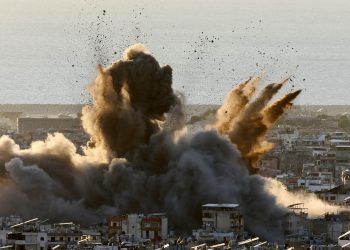


DUBAI (Realist English). The 70-day war of the United States and Israel against Iran (since 28 February) has delivered a devastating blow to the global luxury goods market.
What analysts in January still called a “year of cautious recovery” after three years of stagnation has turned into a disaster.
The Middle East, which had been the last growth driver for LVMH, Kering and Hermès, has collapsed instantly, and the leading luxury houses have reported their first sales decline in a long time.
Key figures for the first quarter of 2026
LVMH (Louis Vuitton, Dior, Tiffany):
- Revenue: €19.1 billion – a 6% decline on a reported basis against a forecast of 1.5% growth.
- Impact of the war: The conflict directly “ate” 1 percentage point of the conglomerate’s organic growth.
- Regional sales: In the Middle East, the drop in demand ranged from 30% to 70% across different shopping centres.
Hermès (Birkin, Kelly):
- Revenue: €4.07 billion (+5.6% at constant exchange rates). Analysts had expected growth of 7.1%.
- Losses from the war: The conflict reduced the company’s revenue by an estimated €290 million. Shares plunged 14% at one point.
Kering (Gucci, Saint Laurent):
- Gucci revenue: €1.35 billion – a decline of 14.3% year-on-year.
- Regional sales: Retail revenue in the Middle East fell 11%.
Moncler:
- The Italian premium apparel brand reported a 50% drop in Middle East sales for March alone.
The market capitalisation of LVMH and Kering has shrunk by more than €100 billion (about $116 billion) – more than a quarter of their combined value.
What is happening on the ground: 50% sales drop at Mall of the Emirates
Data from shopping centres cited by Reuters reveals the scale of the disaster:
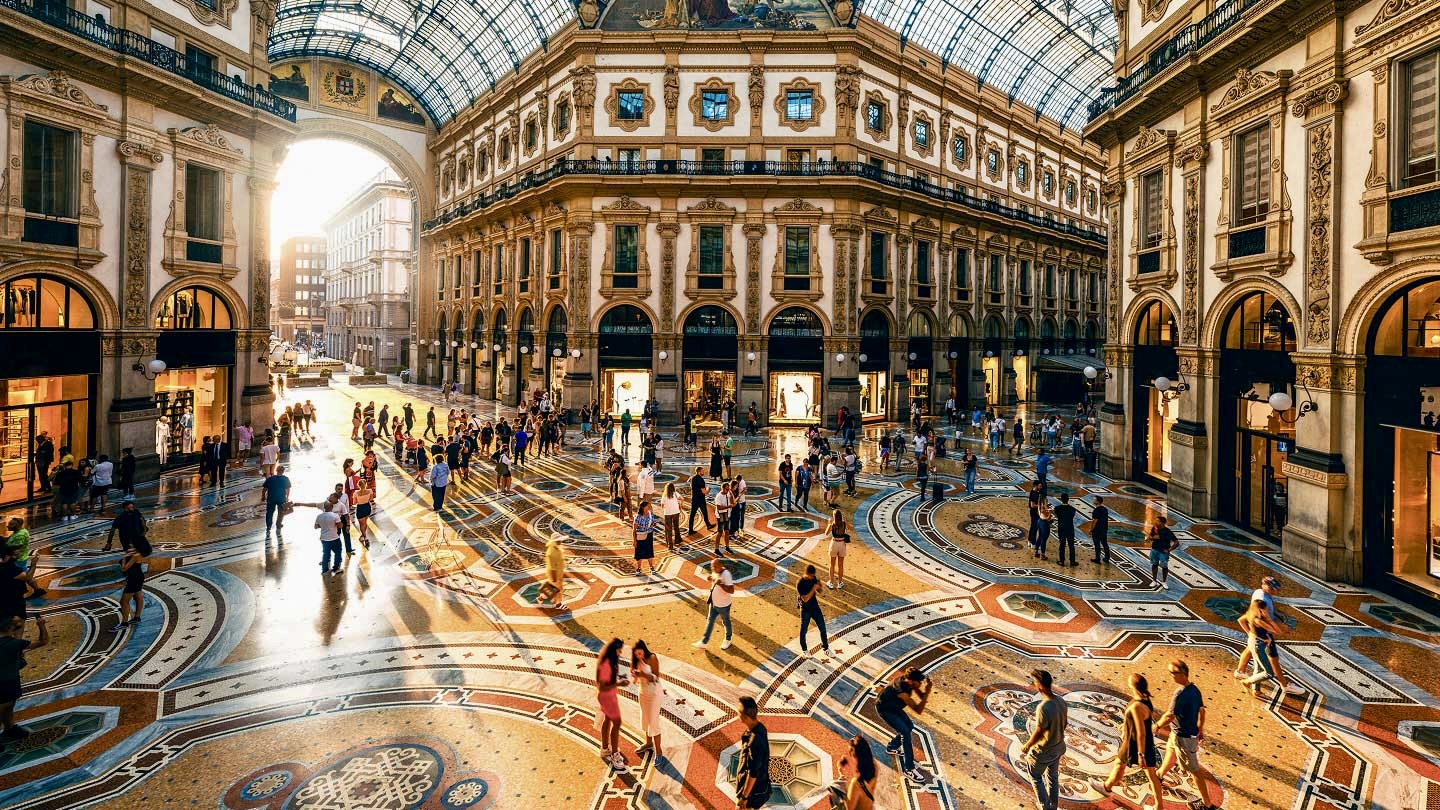
- Mall of the Emirates (Dubai): Footfall fell 15%, and luxury brands’ sales in March collapsed by 30–50% compared to March 2025.
- Dubai Mall (the world’s largest): The number of visitors fell by about 50%.
- Galleria Mall (Abu Dhabi): More resilient due to less reliance on tourists, but sales fell by about 10%.
Carole Madjo, head of luxury goods equity research at Barclays, recalled that the Middle East had been delivering double‑digit annual revenue growth in recent years. Dubai was one of the most profitable regions for Hermès and Chanel, thanks to low rents and the absence of taxes.
Causes and expert opinions
Dubai’s image has been undermined. Military operations affecting infrastructure (airport, landmarks) and news of drone attacks and missile strikes have deterred wealthy tourists from Russia, China and Europe, who used to fly in specifically for shopping.
A double blow to tourism in Europe. The war stopped the flow of tourists from the Middle East and also, due to general geopolitical turbulence, reduced the number of trips from Asia. LVMH’s sales in Europe fell 3%, while Hermès’s sales in France contracted 2.8% to €347 million. Bloomberg notes that this has hit the famous “shopping tours” to Paris and London.
Pessimism in the industry. Jefferies senior analyst James Grzinich called the start of the year “disappointing”.
Forecasts and warning from Bernard Arnault
Overall, for the full year 2025, luxury industry sales fell by 2% (Bain & Company data). The consultancy had expected the market to grow by 3‑5% in 2026, but the war in Iran has dashed those hopes.
LVMH Chairman Bernard Arnault used much harsher language. On 23 April, at the annual shareholders’ meeting, he warned that if the Middle East conflict is not resolved, it could lead to a “global catastrophe with extremely serious and very negative economic consequences”.
“Either it will be a global catastrophe with very serious and negative economic consequences – in which case, who can say how 2026 will turn out – or it will be resolved more quickly in one form or another, which we all hope,” Arnault said.
The only source of optimism is Asia. LVMH and Hermès reported strong sales recoveries in the Asian region (excluding Japan), which is growing at 7‑10% and shows a sharp increase in demand from Chinese consumers.