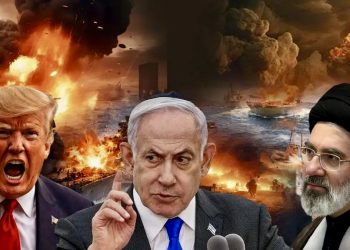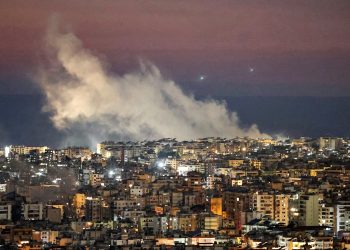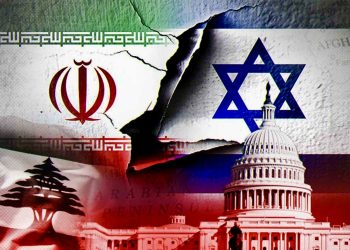



TEHRAN (Realist English). Ayatollah Seyyed Ali Khamenei said the United States sustained significant losses during the 12-day confrontation with Iran in June, asserting that both Washington and Israel “failed to achieve any of their objectives” despite deploying their most advanced military capabilities. Speaking in a televised address, he described the outcome as a “defeat” for Iran’s adversaries and a moment of nationwide unity.
According to Khamenei, Israel had spent years preparing for a conflict intended to provoke unrest inside Iran, but the result “reversed their expectations,” with even government critics rallying around the state. He acknowledged that Iran suffered casualties, yet insisted the material damage inflicted on the attackers was “far greater,” saying the Islamic Republic demonstrated it could “act decisively” under pressure.
The June escalation began with Israeli strikes that killed senior Iranian military and scientific personnel, followed by US attacks on three nuclear facilities — actions Tehran says violated the UN Charter and the Nuclear Non-Proliferation Treaty. Iran responded by striking targets across Israeli-held territory and the US Al-Udeid Air Base in Qatar, ultimately forcing “a halt to the assault” by 24 June, Khamenei said.
He condemned Washington’s backing of Israel in Gaza, calling Prime Minister Benjamin Netanyahu “the most hated person in the world” and arguing that the devastation there “would be impossible without American support.” Khamenei further accused the US of fueling conflicts from Ukraine to Latin America, describing American interference as a source of “war, destruction and displacement.”
Responding to US claims of indirect contacts during the conflict, Khamenei said such reports were “lies” and that Iran has no interest in engaging with a government that “betrays even its own partners.” He also denounced US military deployments near Venezuela, echoing regional accusations that Washington’s pressure campaign is driven by access to oil.
Khamenei urged Iranians to maintain national cohesion despite political differences and called the Basij volunteer force a key pillar of the country’s resilience. He appealed for public support for the government, saying the administration is completing projects launched under the late President Ebrahim Raeisi and that the results will “become visible to the people.”