

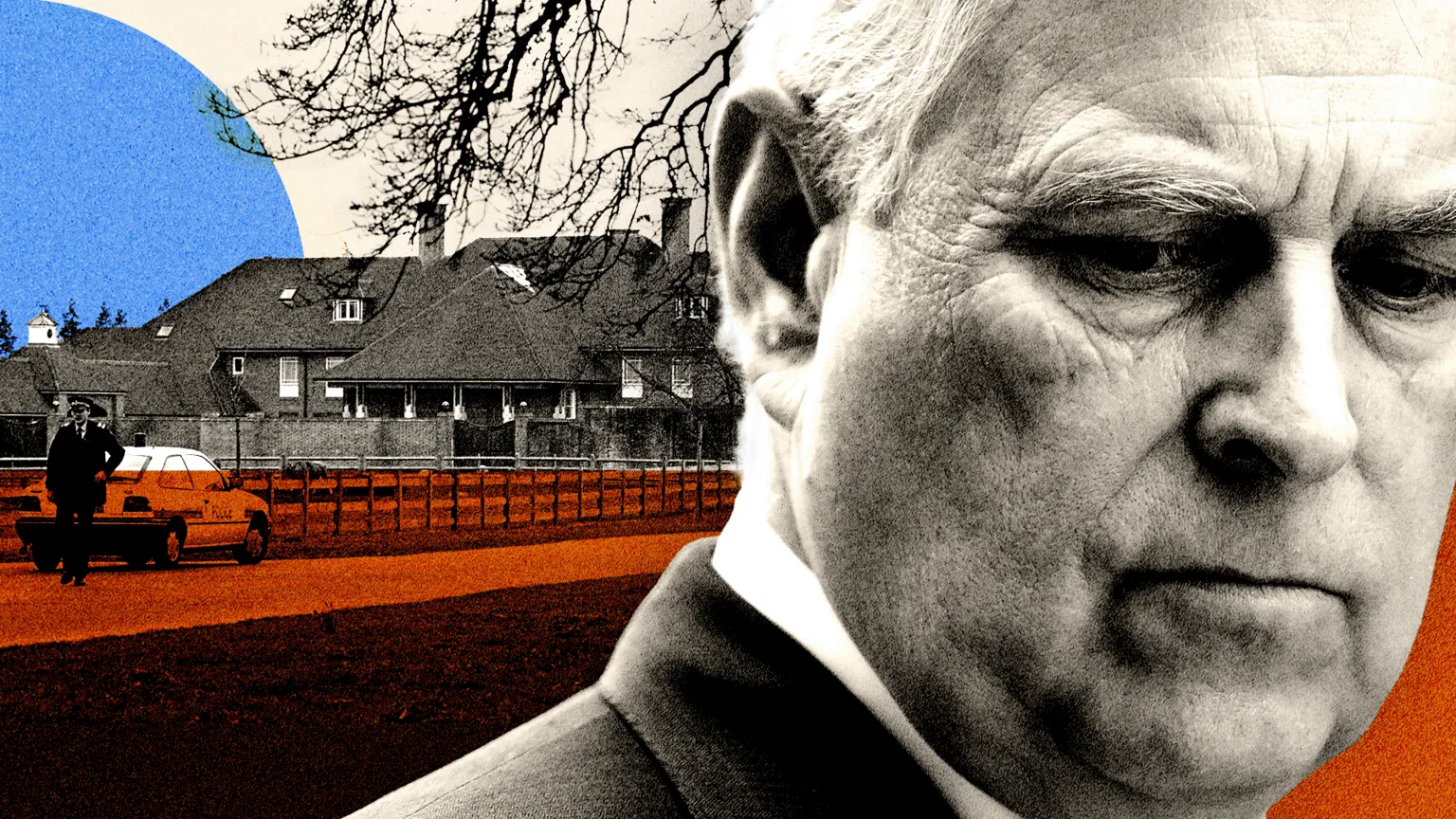
LONDON (Realist English). A BBC investigation has raised fresh questions about whether Andrew Mountbatten-Windsor may have indirectly benefited from funds linked to criminal corruption through the sale of his former Berkshire mansion, Sunninghill Park.
According to the investigation, Kazakh billionaire Timur Kulibayev used a loan from a company later implicated in an international bribery case to help finance the £15m purchase of the property from the then prince in 2007. Italian prosecutors later concluded that the lender, Enviro Pacific Investments, had received money connected to a corruption scheme, although Kulibayev himself was never charged.
Court documents reviewed by the BBC show that Enviro Pacific received payments from another firm, Aventall, which Italian prosecutors described as a conduit for bribes linked to oil contracts in Kazakhstan. In a related case, Italian oil executive Agostino Bianchi pleaded guilty to paying bribes to Kazakh officials, including Kulibayev, although the oligarch has consistently denied wrongdoing.
Kulibayev’s lawyers told the BBC that their client has never engaged in bribery or corruption and that the funds used to acquire Sunninghill Park were legitimate. They confirmed that Kulibayev took out a commercial loan from Enviro Pacific in 2007 on market terms, later repaying it with interest. They denied that Kulibayev owned or controlled Enviro Pacific.
The transaction has drawn scrutiny because Kulibayev reportedly paid around £3m above the asking price and an estimated £7m more than the property’s market value at the time. Money-laundering specialists told the BBC that such features — combined with the buyer’s political exposure, the use of offshore structures and widespread concerns over corruption in Kazakhstan at the time — amounted to “blatant red flags” that should have triggered enhanced due diligence.
Sunninghill Park had been given to Andrew by Queen Elizabeth II as a wedding gift in 1986. After struggling to find a buyer, the property was eventually sold through an offshore company owned by Kulibayev. The buyer’s identity was not disclosed publicly at the time, and UK law in 2007 did not require offshore purchasers to reveal their beneficial owners.
There is no evidence that Andrew knew the source of the funds used by Kulibayev. The former prince did not respond to the BBC’s requests for comment and has previously said that once a price was agreed, it was not his responsibility to question whether a buyer had overpaid.
Anti-corruption campaigners and legal experts say the case highlights longstanding weaknesses in safeguards around high-value UK property transactions. Margaret Hodge, the UK government’s former anti-corruption champion, said the findings were “deeply troubling” and called for further investigation, adding that “nobody is above the law”.
Buckingham Palace and the Royal Family’s solicitors declined to comment. Sunninghill Park was later demolished by Kulibayev, and a new mansion was built on the site, which has reportedly never been occupied.
While no charges have been brought against Kulibayev in connection with the Italian cases, the BBC investigation underscores how proceeds linked to alleged corruption may have flowed through opaque corporate structures into prominent UK property deals, raising broader questions about oversight, transparency and enforcement.