

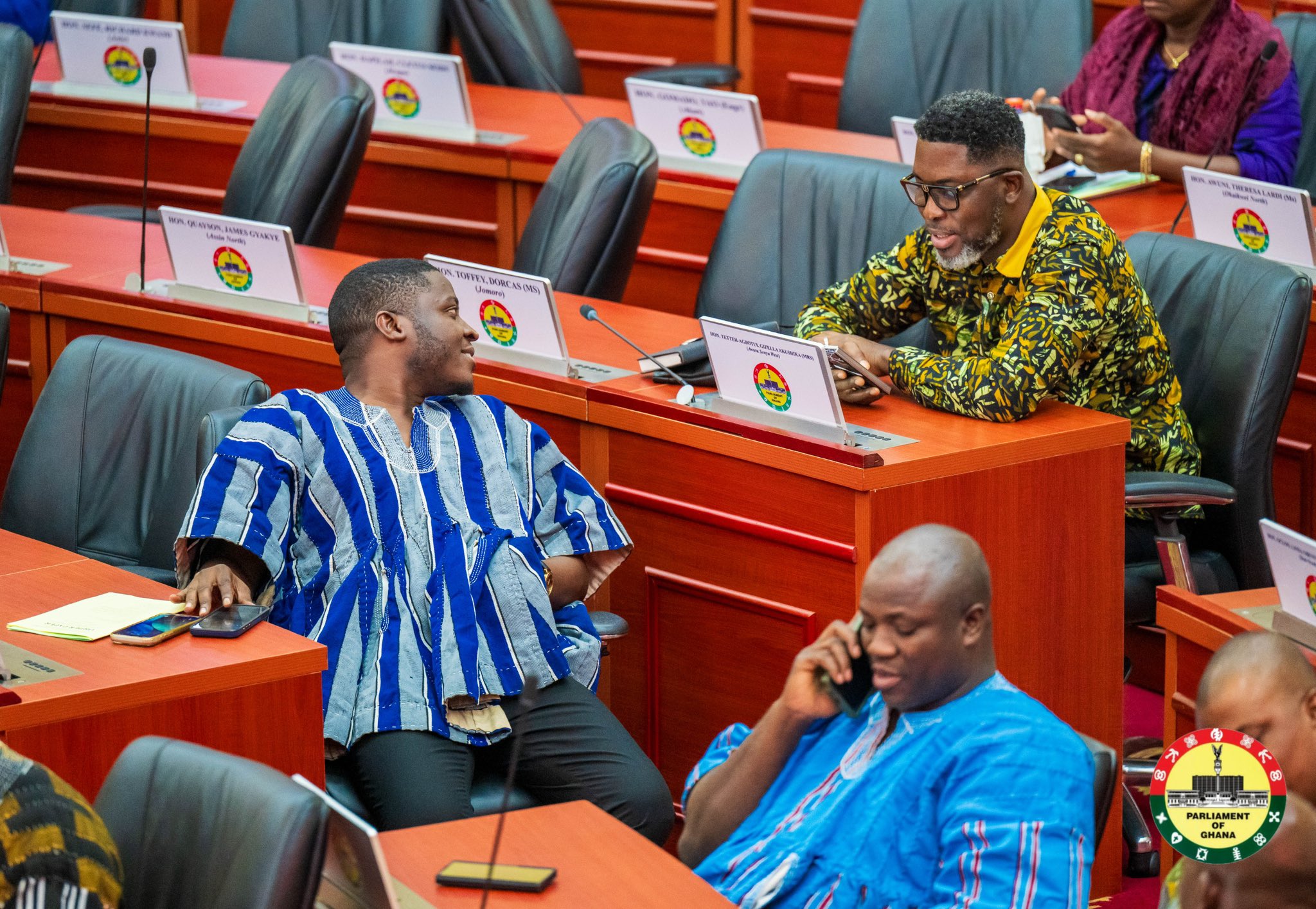
ACCRA (Realist English). Ghanaian lawmakers on Thursday replaced the usual suits and ties in parliament with traditional northern smocks known as fugu, staging a coordinated protest after online mockery in Zambia targeted the attire worn by John Dramani Mahama during a state visit.
The unusual display followed a wave of criticism on Zambian social media earlier this week, where images of Mahama arriving in Lusaka wearing a ceremonial fugu were derided by some users unfamiliar with the garment, who described it as a “blouse” or “dress”. The comments quickly spread online, prompting backlash in Ghana.
Members of parliament from across the political spectrum said the collective decision to wear the fugu was intended as a statement of cultural identity and dignity. Lawmakers stressed that the garment is not a costume but a historically significant symbol, rooted in northern Ghanaian traditions and long associated with leadership and resistance to colonial norms.
The fugu, also known as the batakari, originated among ethnic groups in northern Ghana and was historically worn by warriors. It gained national political symbolism in 1957 when Kwame Nkrumah wore it while declaring Ghana’s independence from British rule.
The episode was later defused after Hakainde Hichilema responded with humour, saying he had followed the online debate and had already ordered Ghanaian smocks for himself. His remarks were widely seen as an attempt to ease tensions and reframe the controversy as a moment of cultural exchange rather than confrontation.
What began as online ridicule ultimately triggered a rare parliamentary demonstration, underlining how symbols of dress continue to carry political and cultural weight across Africa.