

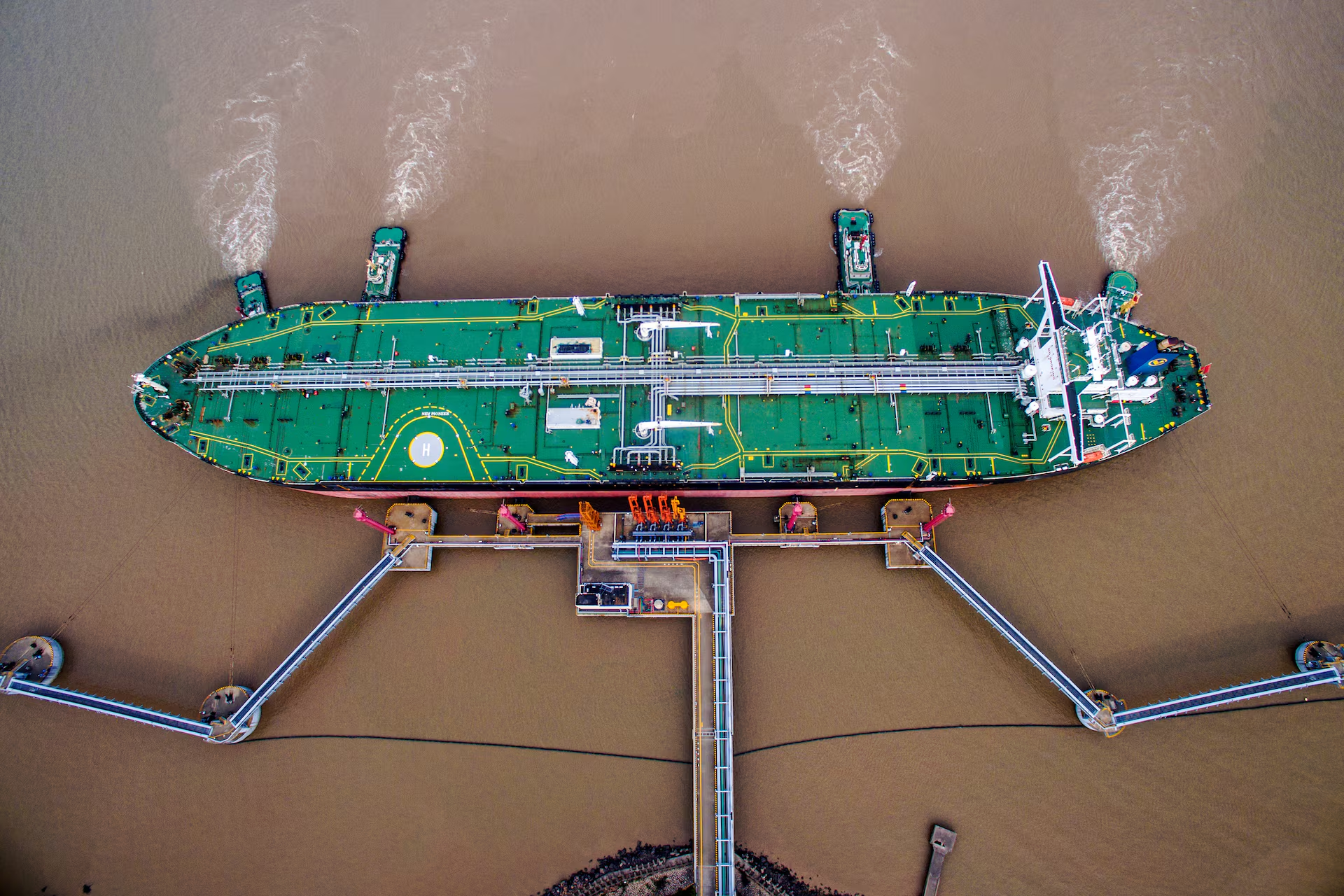
BEIJING (Realist English). China is negotiating with Iran to ensure safe passage for oil tankers and Qatari liquefied natural gas carriers through the Strait of Hormuz as the US-Israeli war against Tehran escalates, diplomatic sources told Reuters.
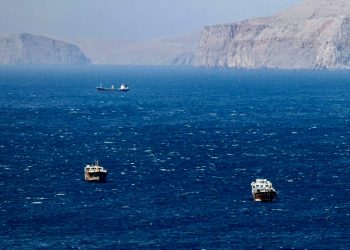
The conflict, which entered its sixth day on Thursday, has severely disrupted traffic through the strategic waterway, through which roughly one-fifth of global oil and LNG supplies normally pass.
According to the sources, Beijing — which maintains relatively friendly relations with Tehran and depends heavily on Middle Eastern energy imports — is pressing Iranian authorities to allow Chinese-linked vessels to transit the strait safely.
China imports about 45% of its oil through the Strait of Hormuz, making any prolonged disruption a significant risk for the world’s second-largest economy.
Ship-tracking data indicates that a tanker named Iron Maiden passed through the strait overnight after changing its signaling to identify itself as “China-owned.” Analysts say many more such passages would be needed to stabilize global energy markets.
Oil prices have surged by more than 15% since the conflict began as attacks on energy infrastructure and shipping routes across the Gulf have disrupted production and transportation.
Iranian missile and drone strikes have also reached targets as far away as Cyprus, Azerbaijan and Turkey, contributing to volatility in global financial and commodity markets. Several major economies have warned that prolonged disruptions could trigger renewed inflation pressures.
Data from vessel-tracking company Vortexa shows that crude tanker traffic through the strait dropped sharply to just four ships on March 1, compared with an average of about 24 daily transits since January.
Meanwhile, approximately 300 oil tankers remain inside the Strait of Hormuz region, according to Vortexa and maritime analytics firm Kpler.
Industry sources say some vessels are still able to pass through the waterway under limited conditions. Mike McDougall, a veteran of the global sugar trade, told Reuters that shipping executives in the Middle East reported that most of the vessels currently transiting the strait are either Chinese- or Iranian-owned.
Jamal Al-Ghurair, managing director of Dubai-based Al Khaleej Sugar, said some ships carrying sugar cargoes have been allowed to cross the strait, while others remain blocked.
Earlier this week, Iranian authorities announced that vessels linked to the United States, Israel, European countries and their allies would not be permitted to pass through the Strait of Hormuz. The statement, however, did not mention China.