

MOSCOW (Realist English). On April 22, Russian oil began flowing again through the Ukrainian section of the Druzhba pipeline after several months of downtime. This allowed Hungary to lift its veto on a €90 billion ($105.79 billion) European Union loan for Ukraine, which is urgently needed by the Ukrainian economy.
According to Hungarian oil group MOL, Ukraine informed the company that Russian oil supplies had resumed. “MOL expects the first crude oil shipments following the restart of the Ukrainian section of the pipeline system to arrive in Hungary and Slovakia by tomorrow at the latest,” the company said in a statement. According to an industry source, pumping began at 5:35 a.m. Eastern Time (12:35 Moscow time).
Immediately afterwards, EU ambassadors meeting in Brussels approved the loan. All 27 EU member states are expected to formally sign off on the decision by the evening of April 23.
How the loan was unblocked
The EU agreed to the loan back in 2025 to maintain Ukraine’s liquidity through 2026–2027. However, Hungarian Prime Minister Viktor Orbán and the Slovak government had blocked it, accusing Ukraine of delaying repairs to the pipeline. Kyiv denied the allegations.
Ukraine’s chances of receiving the funds improved dramatically after Orbán lost the parliamentary election on April 12. The election winner, Péter Magyar, has stated that he will no longer block EU funds for Kyiv, although he is only expected to take office in May.
Druzhba under attack
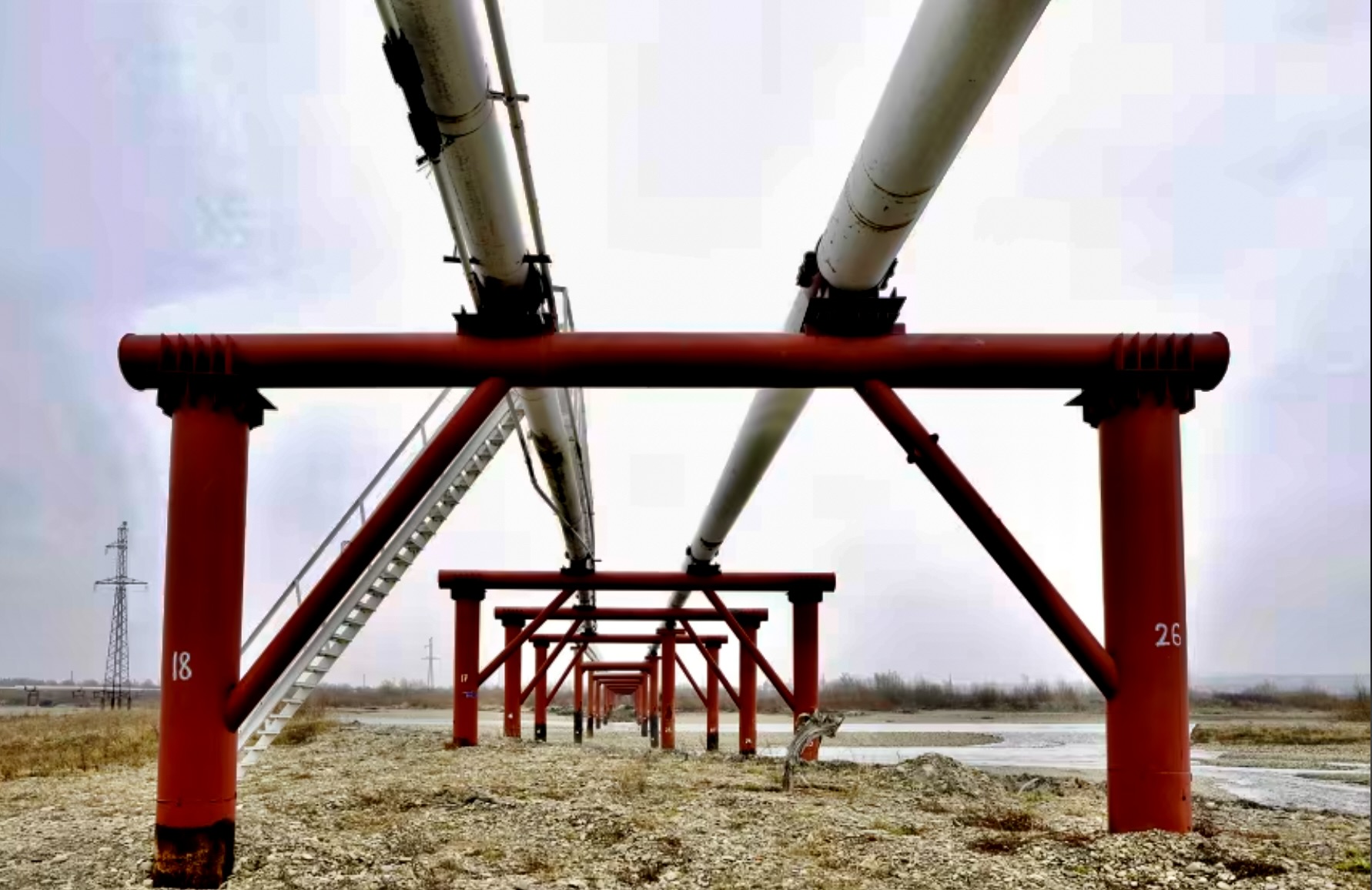
The Druzhba pipeline (Russian for “friendship”) became one of the most politically charged pieces of infrastructure in Europe after a Russian drone strike damaged it in western Ukraine and halted Russian oil deliveries to Hungary and Slovakia. The pipeline’s capacity is 1.2 to 1.4 million barrels of oil per day, with the possibility of increasing to 2 million barrels. However, due to Western sanctions and repeated drone attacks, actual flow volumes have fallen to a small fraction of these figures.
The German question
Against this backdrop, Russia announced that from May 1, 2026, it would suspend the transit of Kazakh oil through Druzhba to Germany, citing “technical reasons”. Deputy Prime Minister Alexander Novak confirmed that volumes would be redirected to alternative routes, adding, “The Germans have rejected Russian oil, so everything is fine with them.” The PCK Schwedt refinery, which supplies 90% of Berlin’s fuel, confirmed that there would be no deliveries from May, but that “this will not jeopardise supply security”. In 2025, Kazakhstan supplied 2.1 million tonnes of oil to Germany, and had planned around 3 million tonnes for 2026.
Germany separately confirmed that Kazakh crude would not reach one of the country’s largest refineries.
Background
The Druzhba pipeline is the world’s largest system of main oil pipelines, connecting Russian oil fields with consumers in Eastern and Central Europe. Its total length is 8,900 kilometres (3,900 of which are in Russia), including 46 pumping stations and tank farms with a capacity of 1.5 million cubic metres.
In August 2025, Ukrainian drones attacked Druzhba infrastructure in Russia at least three times — on August 13, 18 and 22. The strikes targeted a pumping station in the town of Unecha, Bryansk region, one of the largest pipeline hubs. The area of the fires reached the size of two and a half football fields.
On January 27, 2026, a new incident occurred: a drone strike hit the Ukrainian section of the pipeline near Brody (Lviv region), taking out pumping units, compressors and other equipment. This led to a complete halt of transit along the southern branch to Hungary and Slovakia.
Hungary and Slovakia accused Ukraine of deliberately blocking supplies and delaying repairs. Hungarian Prime Minister Viktor Orbán linked the resumption of transit to the unblocking of the €90 billion EU loan for Ukraine, imposing a veto in February. Kyiv insisted that Russian shelling was to blame and demanded time for repairs.
Ukraine completed repair work on its section on April 21, 2026 (by 6:00 p.m.). After the resumption of pumping, EU ambassadors in Brussels approved the loan for Ukraine. The decision is expected to be formally signed by all 27 member states by the evening of April 23. The situation was also accelerated by Orbán’s defeat in the parliamentary election on April 12 — the winner, Magyar, has stated his intention to unblock the funds, although he will only officially take office in May.
The vulnerability of Druzhba to new attacks remains high. From 2027, a full ban on Russian energy supplies to the EU comes into force, which could finally stop oil transit (unless Hungary and Slovakia obtain special conditions for themselves).