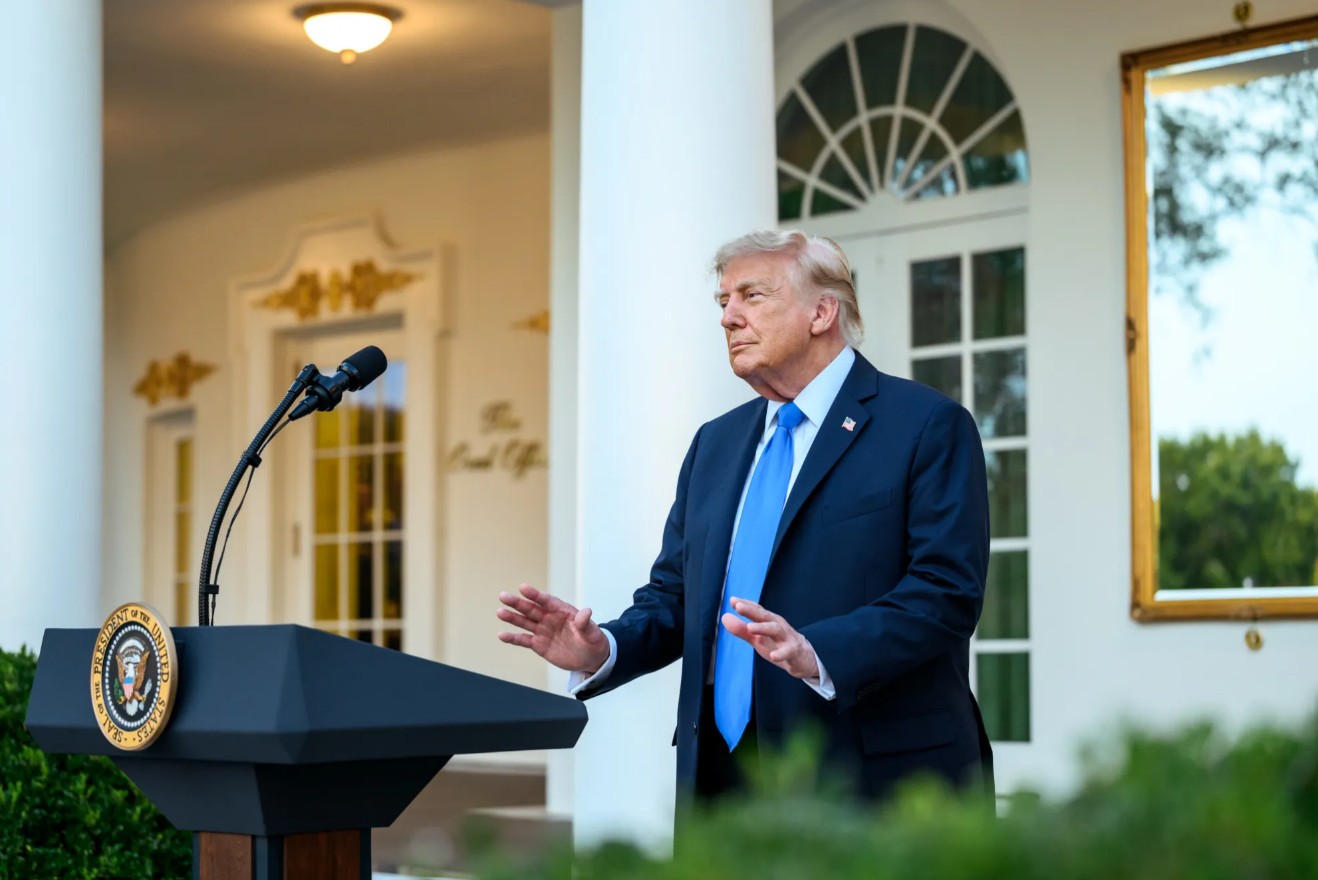
TEHRAN (Realist English). US President Donald Trump called the Iranian government “seriously fractured” when he extended the ceasefire to give it time to come up with a “unified” proposal.
The White House argued that Iran’s failure to show up for a second round of talks in Pakistan with Vice President JD Vance demonstrated just how disjointed the leadership had become. However, observers of Iran see things differently.
Tehran insists that the United States must first lift the blockade of Iranian ports, and many analysts believe the leadership is more cohesive than it is being portrayed.
“I think that’s a serious misreading of the Iranian leadership,” Mehrat Kamrava, a professor of government at Georgetown University Qatar, told CNN. “The leadership has been quite cohesive, and we’ve seen this in the conduct of the war and the negotiations.”
Who makes decisions after Khamenei’s death
Governance in Iran has become far more complicated since the United States and Israel eliminated most of the regime’s top military and political leaders, including Supreme Leader Ayatollah Ali Khamenei. A group of once-competing officials from across the Islamic Republic’s political spectrum is now deciding the country’s future under the threat of an existential war, and amid the conspicuous absence of the ultimate decision-maker, Mojtaba Khamenei, who succeeded his late father as the new supreme leader and, according to sources, is in hiding, possibly due to injury or severe incapacitation.
These officials are forced to balance their vision for the future of Iran with domestic pressure from hard-line groups refusing to declare defeat and external pressure from Trump’s push to declare victory. Yet despite their political differences, this group of officials appears determined to publicly project cohesion, even if they diverge on how to navigate the war and conduct diplomacy with the US, according to experts.
“Different factions of Iranian leadership are more aligned now than before the war,” Trita Parsi, executive vice president of the Quincy Institute for Responsible Statecraft, told CNN. “Because this is a much smaller circle … this circle is more united about the strategy they use in the war.”
Demonstrating unity
Amid feverish speculation over whether Iran would attend talks this week, Tehran maintained a consistent public stance that its negotiators would not participate. It accused Washington of violating the ceasefire and lacking “seriousness in pursuing a diplomatic solution.” Even before the war, the Islamic Republic under Ali Khamenei maintained a clear list of “red lines” — the right to enrich uranium, continued missile development and supporting its proxy groups — demands it has carried into the current negotiations with the Trump administration.
Iran’s political leadership has been at pains to dispel reports of infighting and to project a unified approach to the country’s military objectives and negotiating strategy.
“Talk of divisions among senior officials is a tired political and propaganda ploy by Iran’s adversaries,” Mehdi Tabatabai, the Iranian president’s deputy spokesman, wrote on X on April 22. “Unity and consensus between the battlefield, the public, and diplomats at this time have been exceptional and noteworthy.”
The regime has elevated one official to embody that unity. Mohammad Bagher Ghalibaf, the country’s long-serving parliament speaker and former Revolutionary Guard commander, led the first round of negotiations with the US in Islamabad and is now viewed as one of the main figures representing the Islamic Republic. Notably, when Ghalibaf arrived in Islamabad for the first round, he was accompanied by an unprecedented team of Iranian officials representing a diverse political spectrum, in what appeared to be a deliberate attempt to showcase cohesion.
“Are there differences? Of course there are,” Parsi said. But to assess that the reason both sides can’t strike a deal is not because of Trump’s conflicting messaging but rather due to Iranian fractured leadership is “detached from reality.”
How Trump hinders talks
Over the weekend (April 18–19), the US and Iran appeared to be closing in on a deal. Then Trump began posting about ongoing talks on social media and speaking to several reporters by phone on the morning of April 17, as Pakistani intermediaries updated him on talks with Iranian officials in Tehran. Some Trump officials privately acknowledged to CNN that the president’s public commentary has been detrimental to talks, noting the sensitivity of the negotiations and the Iranians’ deep mistrust of the US.
Wartime structures and street pressure
Facing the threat of annihilation, Iran’s regime has dismantled its traditional system of rival power centers that competed for almost five decades. A new wartime structure has instead consolidated negotiators and political operators under a single military umbrella, aimed at guiding the Islamic Republic out of the crisis without admitting defeat.
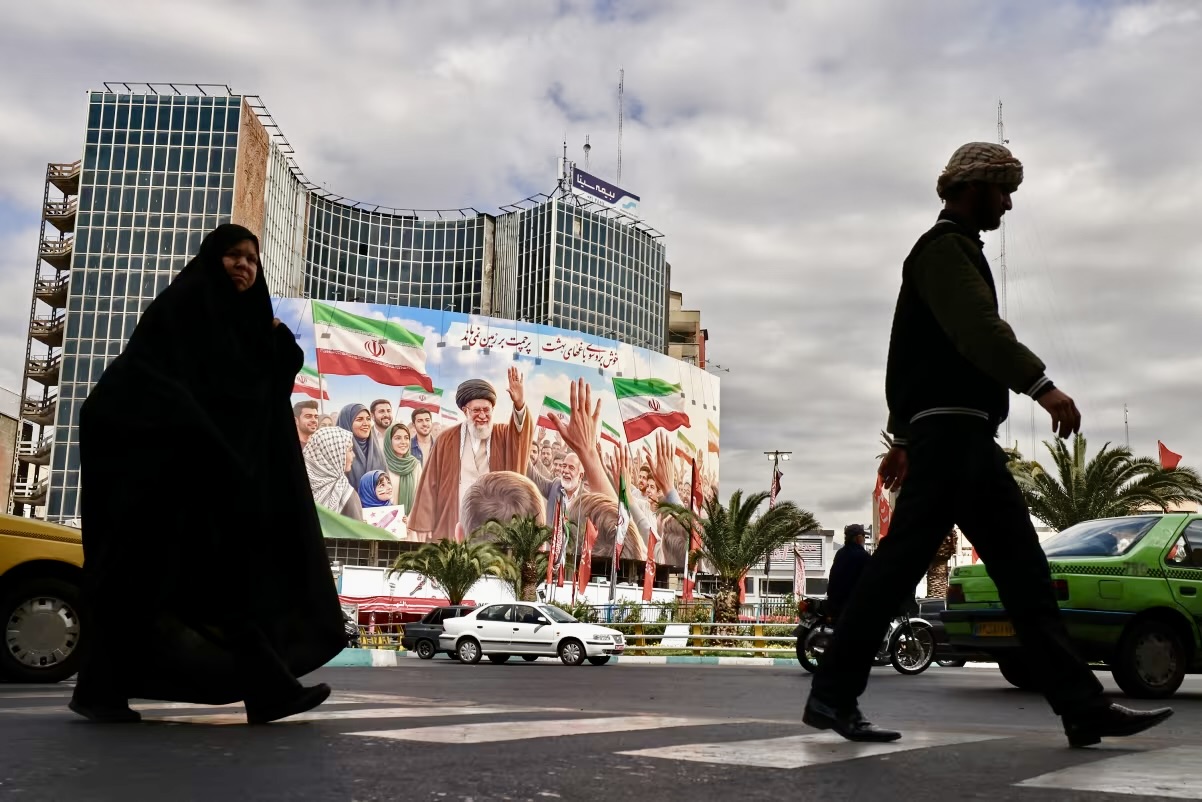
On the streets, large crowds representing the country’s hard-line factions have rallied daily in support of the regime and against any agreement with Washington that would place Iran in a position of defeat. These hard-line views dominate parliament and state media, where any perceived willingness by Iranian officials to let Trump declare victory draws fierce criticism. When Foreign Minister Abbas Araghchi noted last week that the Strait of Hormuz was open for commercial shipping, he was sharply attacked by regime hard-liners, forcing other officials to issue swift clarifications.
This wartime structure differs sharply from the way the Islamic Republic was governed for 37 years under Supreme Leader Ali Khamenei. His son, Mojtaba, has been appointed to lead the country but remains in hiding. Reports suggest he has been injured or severely incapacitated, adding to uncertainty over whether he is giving his subordinates clear directions — or if they are simply having to guess what he wants without specific instruction.
“The system is now operating in a different manner. In the past we had institutions … that were supposed to discuss strategic matters and present the supreme leader with advisory notes for him to make the final decision,” said Hamidreza Azizi, a visiting fellow at the German Institute for International and Security Affairs. “Access to the supreme leader cannot be as regular as it should be. That automatically means other officials have more room to maneuver in deciding the steps that have to be taken on war and peace.”
Diplomacy is not working
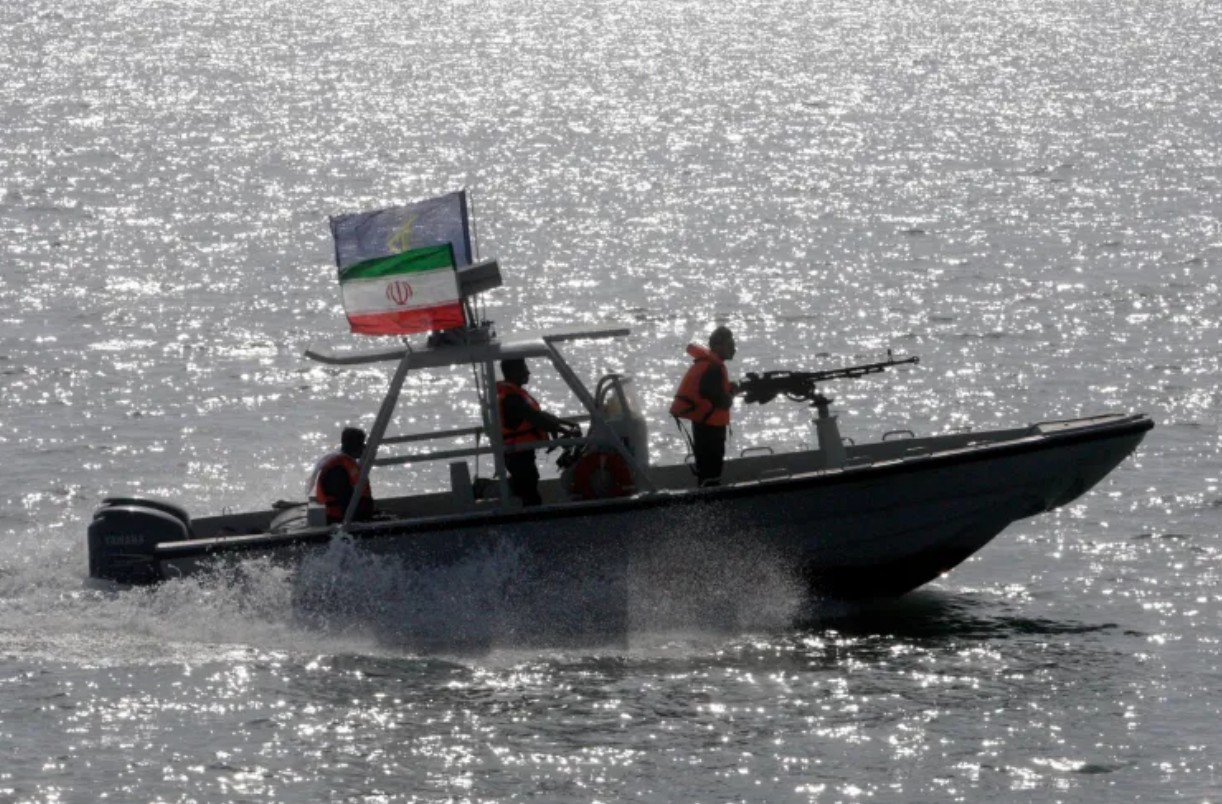
The diplomatic process is frozen: Iran continues to refuse direct talks, demanding first the lifting of the naval blockade, while Washington does not rule out a military scenario and is increasing naval pressure. At the same time, Tehran is demonstrating toughness at sea by seizing vessels, while personnel changes are taking place in Washington.
The planned visit of a US delegation led by Vice President Vance for a second round of talks in Pakistan on April 23 did not take place due to a lack of response from Tehran. Tehran’s main demand is the immediate and complete lifting of the naval blockade. Iran insists that any talks must be conducted with the “act of war” lifted and accuses the US of violating the ceasefire terms. Washington continues to insist on its course, saying the blockade will be lifted only after a final peace agreement is signed. Trump has given Iran just 3‑5 days to “get its internal affairs in order” and submit a proposal, but warned that this state of affairs will not last indefinitely and that military options remain on the table.
Meanwhile, US Central Command (CENTCOM) reported that 31 vessels had been redirected as part of its blockade. Experts warn that even if the strait is formally “open”, it remains unsafe for navigation. The combined effect of these measures has led to a rise in global oil prices, indicating that markets are seriously concerned about supply disruptions.
Against the backdrop of the ongoing conflict, internal changes have also occurred in Pentagon leadership. US Navy Secretary John Phelan was fired, another high‑profile resignation in Pentagon leadership under Defense Secretary Pete Hegseth.
The United States seeks a quick deal using the leverage of military force. Iran, on the other hand, is betting on waiting and demonstrating resilience, ready to withstand pressure and avoid capitulation. As a result, the fragile ceasefire is hanging by a thread. If the US does not make concessions and Iran does not change its position, escalation and a resumption of full‑scale hostilities are only a matter of time.