

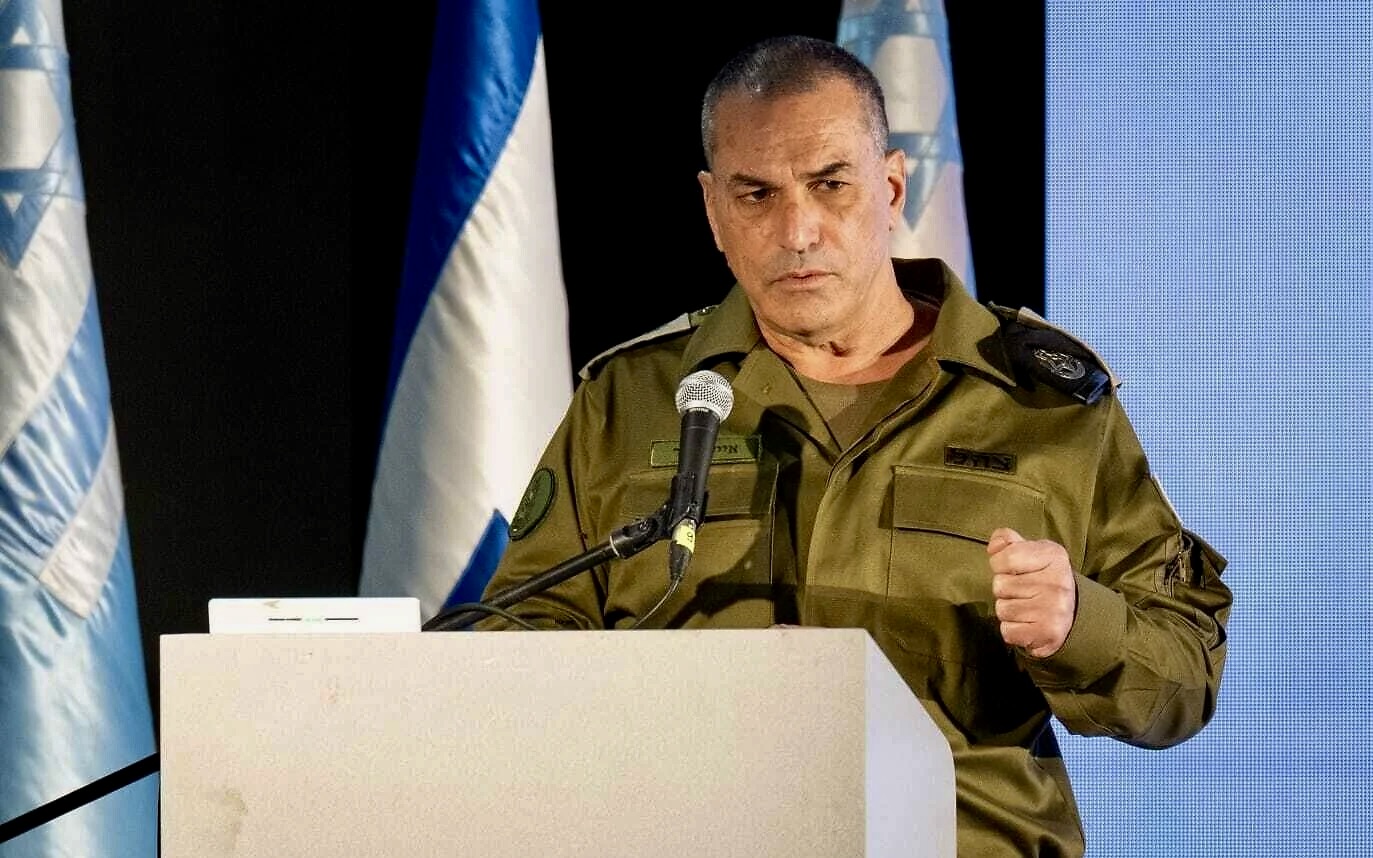
TEL AVIV (Realist English). The Chief of Staff of the Israel Defense Forces, Lt. Gen. Eyal Zamir, told a senior command conference that discipline has been undermined during the multi-front war in recent years, listing a number of incidents he called “rebellion” against army values.
Among them are reports of looting, the destruction of a statue of Jesus in Lebanon that caused international outrage, and soldiers wearing unauthorised patches with religious, messianic and political slogans.
‘Erosion of norms could be no less dangerous than operational threats’
Speaking at the IDF senior command conference on 27 April, Zamir said: “The unethical incidents we have seen are the product of a long and complex period, but that does not justify them. We must not compromise on our values.
Erosion of norms could be no less dangerous than operational threats.” He showed participants a photo of a soldier wearing a patch reading “Stop the hatred. It is time for violence” and asked: “Is this the army you want? If there is even one person who thinks this reflects IDF values, stand up now.” Zamir called this not a minor incident but “a rebellion against IDF values.”
Shame of looting and the smashed statue
Referring to reports of widespread looting by Israeli soldiers in southern Lebanon (following a Haaretz publication), Zamir said: “The phenomenon of looting, if it exists, is disgraceful and could stain the entire IDF. I am not willing for us to become an army of looters,” adding that such incidents will be investigated. Zamir also showed a widely circulated photo of the smashed crucifix.
Earlier, the IDF punished soldiers who took part in the desecration of the Jesus statue in the Lebanese village of Debel: the soldier who destroyed the figure and the one who filmed him were dismissed from combat service and sentenced to 30 days in military detention. The army replaced the damaged statue with a new one.
Social media and women’s status in the army
The Chief of Staff also warned that soldiers and reservists “must not use social media as a tool to spread controversial messages or for self-promotion. This is a red line that must not be crossed, and those who do so will be dealt with disciplinarily.” Zamir addressed the status of women in the IDF amid renewed criticism of religious coercion.
This month, female soldiers were court‑martialed for wearing allegedly revealing clothing upon being discharged, sparking outrage. Zamir said: “Women are an inseparable part of the IDF and its operational strength. There will be no exclusion of women in the IDF.”
At the same time, he backed Colonel Mazzie Swissa, who conducted the tribunal: “You did not act out of religious coercion, nor are you the modesty police. Soldiers who do not comply with orders, their commander is authorised to discipline them.”
Operational readiness and manpower shortage
Zamir noted that the IDF will likely continue to fight on multiple fronts throughout 2026. “Since October 7, 2023, the IDF has been engaged in combat in an ongoing multi‑front campaign. We continue to be prepared and on alert for a return to intense fighting in all sectors,” he said, adding that due to the growing burden of tasks, “the urgent need facing the State of Israel is to increase the number of those serving and fighting, and we will insist on this.”
At the same time, the Knesset is discussing a bill that would preserve blanket exemptions from conscription for most Haredi men, drawing criticism for failing to significantly increase draft numbers.
Civilian casualties
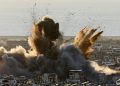
According to the IDF, the strikes were a response to Hezbollah’s repeated attacks during the ceasefire. In southern Lebanon, several weapons depots and buildings used by the group to fire rockets at Israel were hit. In the Beqaa Valley, a site used by Hezbollah to manufacture and store weapons was targeted. The army also noted that it had recently observed attempts by the group to restore the site after previous strikes.
Other weapons depots in the Beqaa Valley were also attacked. Lebanon’s Health Ministry reported that on 27 April, Israeli strikes in the south killed four people, including a woman, and wounded 51, three of them children.
AFP noted that these casualties occurred despite the ceasefire between Israel and Hezbollah. The ceasefire, brokered by the US, remains extremely fragile. Both sides regularly accuse each other of violations.