


WASHINGTON (Realist English). Two months after the start of the US military conflict with Iran, Americans continue to have serious doubts about how President Donald Trump and his administration are handling the situation.
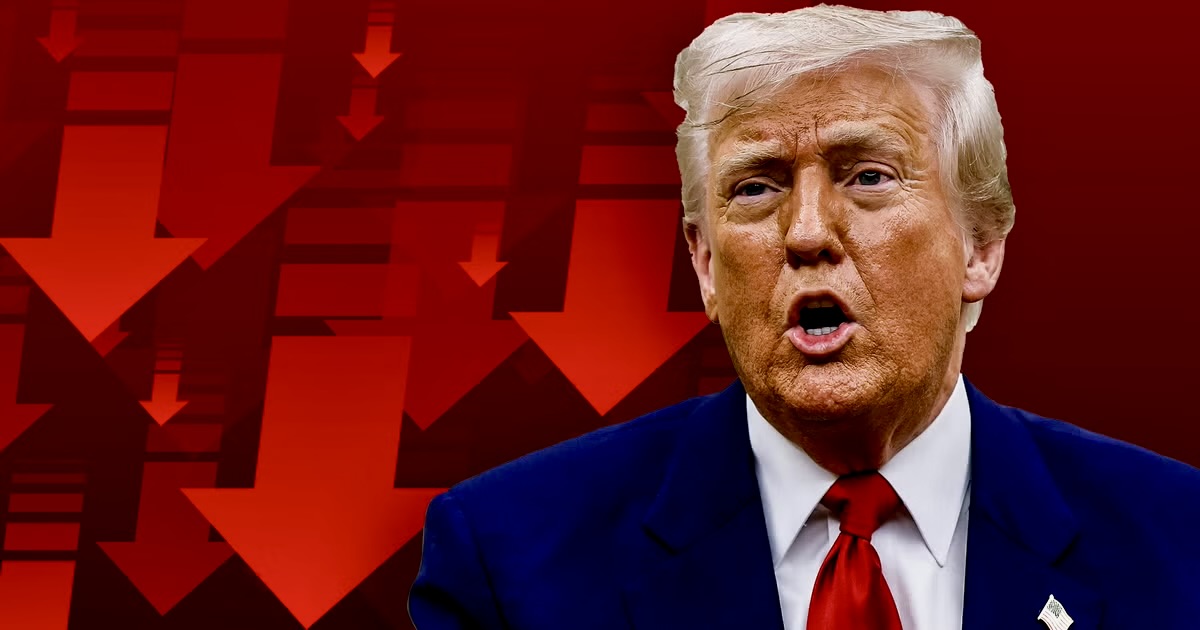
According to a new Pew Research Center survey of 5,103 American adults conducted from 20 to 26 April, 62% of citizens disapprove of Trump’s handling of the military operation against Iran.
Overall picture: disapproval grows
According to the survey, 62% of Americans disapprove of Trump’s actions (including 45% who strongly disapprove). Only 36% express approval.
These figures have barely changed since March, when disapproval stood at 61%.
59% of respondents believe the US made the wrong decision in using military force in Iran, while 38% think it was the right decision.
At the same time, the share of those who think the military operation is going “not too well” or “not at all well” rose from 45% in March to 51% in April.
Only 22% rate the course of military action as “very well” or “extremely well”.
Administration’s goals: unclear and uncertain
Nearly half of Americans (48% ) say the administration’s goals in the conflict are “not too clear” or “not at all clear”.
Only 24% consider them “very clear” or “extremely clear”. About 49% are unsure whether the administration will be able to achieve its goals in the conflict with Iran.
Partisan gap: Republicans vs Democrats
Assessments of the situation differ sharply along party lines.
Success of the military operation: 76% of Democrats believe the military action is going “not too well” or “not at all well”. Among Republicans, only 26% say the same. However, even among Republicans, only 43% rate the operation as “very well” or “extremely well”.
Approval of Trump’s actions: Two‑thirds of Republicans (66%) approve of the president’s approach, but nearly a third (32%) disapprove. Among Democrats, 90% disapprove and only 9% approve. Moreover, Democrats are almost twice as likely to strongly disapprove (76%) as Republicans are to strongly approve (36%).
Clarity of goals: 73% of Democrats consider the administration’s goals “not too clear” or “not at all clear”. Among Republicans, opinions are split: 45% consider them “very clear” or “extremely clear”, while 23% say they are “not too clear” or “not at all clear”.
Evolution of Trump’s approval rating in his second term
Since taking office in January 2025, Trump has experienced an unprecedented drop in public support: from 47‑54% in the first weeks to 36‑37% by the end of 2026.
Most respondents consistently express disapproval of his policies, especially on the economy and the war in Iran. Below is the key monthly dynamics of his approval rating in his second term.
Monthly approval rating dynamics:
| Month | Approval (%) | Disapproval (%) | Source / Notes |
| January 2025 | 47–54 (start) | 41–45 | Ipsos/Reuters (47%), Gallup (47%), aggregator average (54%) |
| February 2025 | 45 | 51 | Gallup |
| July 2025 | 40–41 | ~56 | Gallup (Q2 average 40% from Apr to Jul) |
| November 2025 | 36–41 | 55–60 | Gallup (36%), aggregators (41.5%), Reuters/Ipsos (38%) |
| December 2025 | 36–39 | 56–60 | Gallup, Economist/YouGov (39%), Trafalgar Group (50%) |
| January 2026 | 36–40 | ~60 | Gallup, Reuters/Ipsos |
| April 2026 | 37–42 | 58–66 | Harvard-Harris (42%), Pew Research Center (36%) |
| May 2026 | 37 | 62 | Overall rating after start of Iran war |
Note: Ratings from different polls can differ by 10–15% – this is due to differences in methodology (likely voters vs adults) as well as internal party processes.
Key trends of decline among different voter groups:
Even among traditionally Trump‑supporting Republicans and independents, a noticeable “cooling” was observed by the end of the year. The greatest rejection is caused by economic and foreign policy.
- Support among Republicans: Fell from about 93% in February 2025 to 84% by November of that year – the lowest figure of his second term.
- Support among independents: Dropped from about 37% in February 2025 to 25% by November – the worst figure of his entire tenure (both first and second terms).
- Support among Democrats: Remains consistently low – from 3% to 5%.
By the start of the Iran‑Israel conflict (late February 2026), the president’s approval rating was already in the “stagflation zone” (36‑40%), having already fallen significantly over the course of the year.
With the onset of hostilities and the economic shock, ratings fell to historic lows. The conflict with Iran has become a reputational catastrophe for Trump.
Rising gasoline prices and worsening economic indicators further drove his trust rating in this area down to 32‑34%. The polls clearly show sharp polarisation: Republicans largely support the war (65%), reflecting their overall approval of the president’s actions (66%).
Democrats and independents are overwhelmingly against – 68% of Democrats and 61% of independents disapprove of the course of the conflict, and two‑thirds of Americans overall call the war with Iran a “mistake”.