TEL AVIV (Realist English). Since the start of the full‑scale war with Iran (28 February 2026), Israel has carried out an unprecedented military build‑up. The Knesset passed a record defence budget for 2026 of 45 billion (an increase of nearly 10 billion over the previous year), and the Ministry of Defence has launched massive weapons purchases — from aerial bombs to the latest fighter jets.
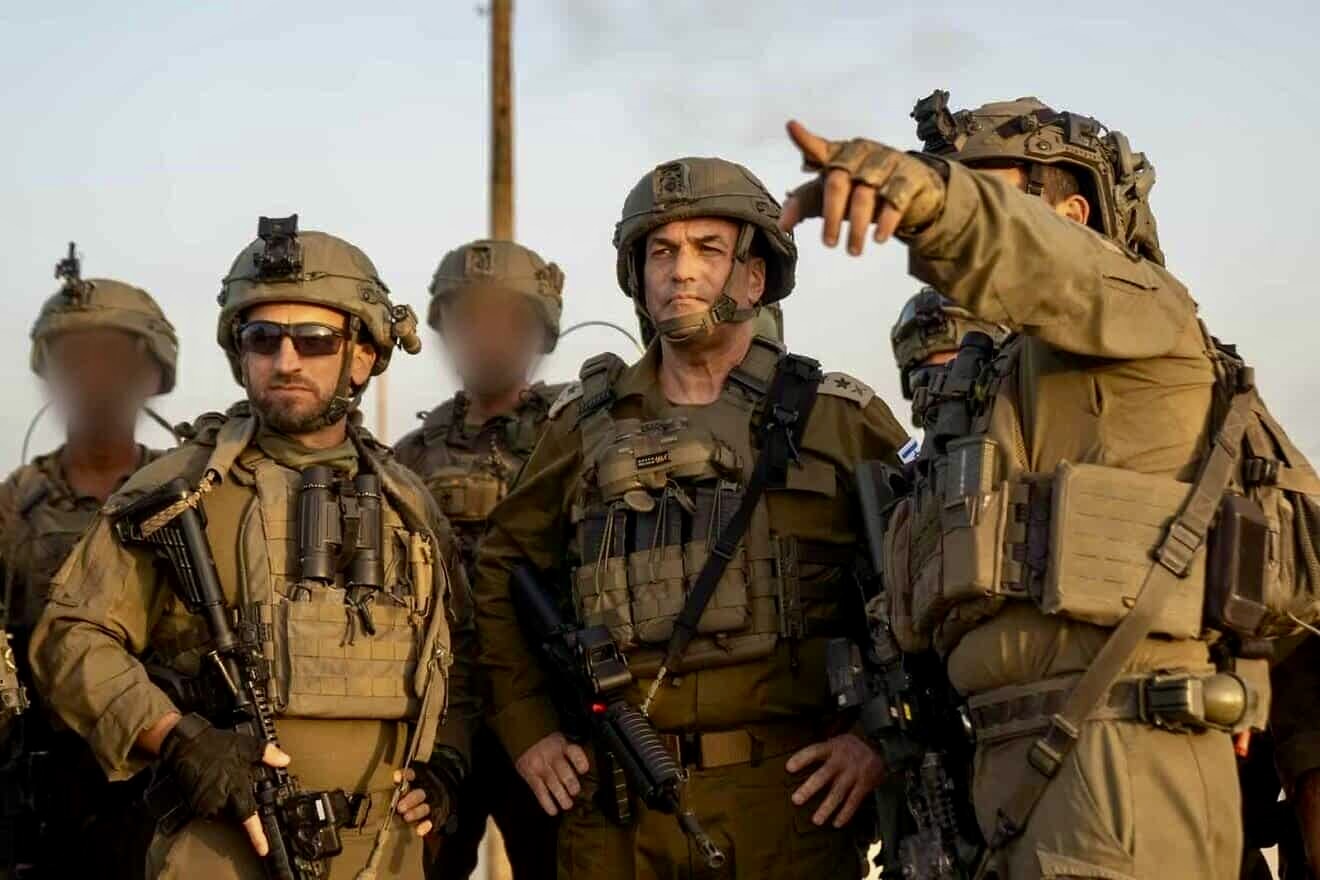
However, against this backdrop, the army has faced an acute personnel shortage that IDF Chief of Staff Lt. Gen. Eyal Zamir has called “unbearable” and a threat to combat readiness.
Record Defence Budget
On 30 March 2026, the Knesset approved Israel’s state budget for 2026, allocating approximately 140 billion shekels ($44.8 billion) to defence spending. This represents an increase of about $9.5 billion compared with 2025. The country’s total state budget reached a record $268 billion.
The budget passed in an early-morning parliamentary vote by 62 votes to 55.
Earlier in March, the government approved an additional 2.6 billion shekels (around $830 million) for what officials described as “urgent and essential” defence purchases.
At the same time, the Ministry of Finance revised its 2026 economic growth forecast downward, reducing projected growth from 5.2% to 4.7%. Officials warned that a prolonged conflict could push the figure even lower.
Finance Minister Bezalel Smotrich said the expanded defence allocation would allow Israel to complete the current military campaign and strengthen its geopolitical position.
Expanding Weapons Procurement
Since the beginning of the war, Israel has moved quickly to replenish and expand its military stockpiles.
Key Procurement Deals and Deliveries
| Date / Period | Procurement or Delivery | Details |
| 7 March 2026 | BLU‑110A/B aerial bombs from the United States | 12,000 bombs valued at $151.8 million |
| 15 March 2026 | Emergency defence procurement | 2.6 billion shekels ($830 million) |
| 26 March 2026 | Delivery of 8,000 tonnes of weapons from the United States | Included precision munitions, Arrow and Iron Dome components, armoured vehicles, and communications systems |
| April 2026 | Elbit Systems contract for 155mm artillery shells | $48 million for tens of thousands of shells |
| 22 April 2026 | Elbit Systems aviation munitions contracts | $200 million, with deliveries continuing during Operation “Roaring Lion” |
| 2 May 2026 | APKWS rocket systems supplied by BAE Systems | $992.4 million, part of a wider $8.6 billion regional package |
| 3 May 2026 | Purchase of new F‑35 and F‑15IA fighter squadrons | Worth “tens of billions of shekels” |
On 3 May, Israel’s Ministerial Committee on Defence Procurement approved plans to acquire two new fighter squadrons: a fourth squadron of F‑35 Adir aircraft produced by Lockheed Martin and a second squadron of F‑15IA fighters built by Boeing.
The agreement includes aircraft integration, logistics, maintenance support, spare parts, and technical assistance.
This purchase forms part of the ten-year military modernisation initiative known as “Magen Israel” (“Israel Shield”), a long-term programme valued at approximately 350 billion shekels ($119 billion).
Defence Minister Israel Katz said lessons from the war with Iran had reinforced the need to expand combat capabilities and accelerate technological development.
He added that future air force priorities would include autonomous flight systems and advanced space-based defence technologies.
Rising Debt to Defence Contractors
The rapid pace of procurement has created significant financial strain.
Israel’s Ministry of Defence reportedly owes approximately $3.5 billion to the country’s three largest defence manufacturers:
- Rafael Advanced Defense Systems — roughly $1.6 billion
- Israel Aerospace Industries (IAI) — about $1.1 billion
- Elbit Systems — approximately $800 million
Because of the surge in wartime orders, these companies are effectively financing production while waiting for government payments.
Combined, the three firms now hold an order backlog estimated at $69 billion.
Strong Military Numbers, But a Severe Personnel Crisis
Current Force Size
According to figures from March 2026, the IDF includes approximately:
- 169,500 active-duty personnel
- 465,000 reservists
- 126,000 ground-force troops
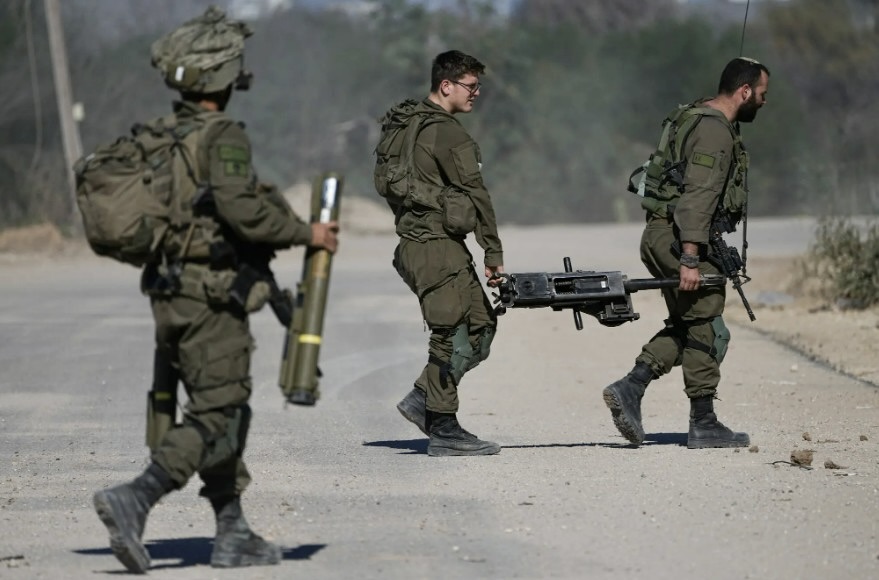
Despite these numbers, the military is struggling to sustain operations across multiple fronts.
Shortage of Soldiers
IDF spokesperson Effi Defrin stated that the military currently lacks between 12,000 and 15,000 personnel, including 7,000–8,000 frontline combat troops.
More than 100,000 reservists remain deployed, increasing pressure on Israel’s reserve system.
At a cabinet meeting, Chief of Staff Eyal Zamir reportedly raised “ten red flags,” warning that reserve forces could reach a breaking point if deployment demands continue.
He also warned of possible institutional strain within the military if the long-running dispute over ultra-Orthodox conscription remains unresolved.
Debate Over Ultra-Orthodox Military Service
A central issue in the manpower shortage is the continued exemption of many ultra-Orthodox Jewish men, known as Haredim, from military service.
Haredim account for roughly 13% of Israel’s population and have historically received exemptions for religious study.
Political divisions remain sharp.
Parties such as Shas and United Torah Judaism support preserving exemptions, while opposition groups continue to advocate broader mandatory service.
Military Operations Across Multiple Fronts
Iran
Despite a two-week ceasefire announced by the United States and Iran on 8 April, Israeli air operations reportedly continued.
On 7 April, the IDF said it completed a large wave of strikes against Iranian military infrastructure, including targets linked to airfields and logistics facilities.
According to Israeli statements, Operation “Roaring Lion” involved:
- Approximately 19,000 munitions used
- Around 500 military targets struck
- Roughly 5,700 sorties flown
- More than 540 strike waves
Israeli officials described it as the largest air campaign in the country’s history.
Lebanon
Israeli strikes against Hezbollah positions in southern Lebanon continued during April.
The fragile ceasefire introduced on 17 April remains unstable, with Lebanese officials claiming repeated violations.
Rocket launches and drone incidents have continued near northern Israeli communities, triggering air-defence responses.
Syria
Israeli forces maintain a presence in parts of southern Syria, including the Mount Hermon region.
Military activity in the area reportedly includes strikes targeting pro-Iranian armed groups.
Gaza Strip
Military operations in Gaza continue at varying levels of intensity.
Israel maintains a buffer zone along parts of the border while targeting Hamas infrastructure, including underground tunnel networks.
Operations also continue in parts of the West Bank aimed at militant groups.
Expert Assessment
Analysts cited by Israeli media note that delayed payments to defence contractors have become increasingly common during periods of heavy military spending.
At the same time, Finance Ministry officials have questioned whether defence spending is being managed efficiently.
Defence Minister Israel Katz defended the procurement strategy, arguing that Israel must continue strengthening its military advantage to maintain long-term security.