

TEHRAN (Realist English). Negotiations between the United States and Iran in early June 2026 have reached a critical phase. According to statements from both sides, they are “moving rapidly.” A rare unanimity in rhetoric can be observed.
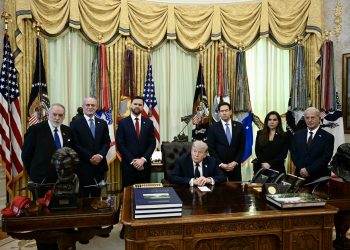
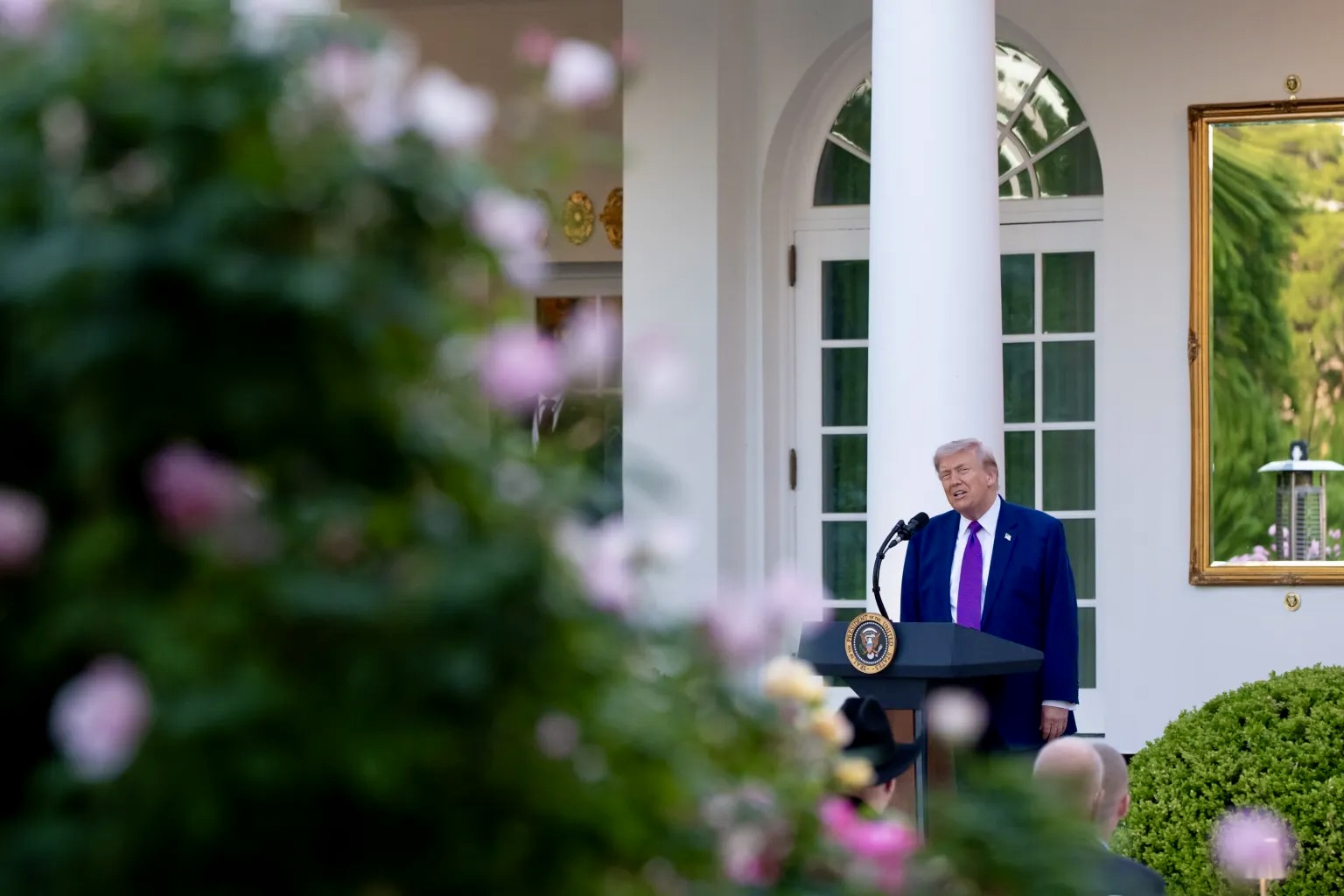
President Donald Trump claims that the parties could sign a memorandum of understanding in the coming days. US Secretary of State Marco Rubio confirms that progress is possible at any moment — “today, tomorrow, or next week.” In turn, Iranian Foreign Minister Abbas Araghchi reported an exchange of final texts, which are currently being studied by both sides.
Content and Pitfalls of the Deal
- Nuclear program: The US demands written concessions from Iran on the nuclear file. Rubio officially announced for the first time that Iran has agreed to discuss its nuclear program, something that had not happened even a month ago. Trump claims that Tehran has agreed to abandon the development of nuclear weapons.
- Current plan: The first stage of the deal is the unblocking of the Strait of Hormuz in exchange for the lifting of the naval blockade. The nuclear issue and sanctions will be left for later.
Mutual Strikes in the Persian Gulf
From June 3 to 4, Tehran and Washington exchanged new strikes, jeopardizing the fragile ceasefire established on April 8. Key events:
- Attack on Kuwait Airport. Iran struck the passenger terminal of Kuwait International Airport, resulting in casualties. An Indian citizen was killed, and another 63 people were injured to varying degrees. Airport operations were temporarily suspended, and airspace was closed. This was far from the first incident — the airport, which had only resumed flights on June 1, has been repeatedly attacked during the war.
- Other strikes. Simultaneously, Iran attacked targets in Bahrain and Kuwait. Kuwaiti military officials reported detecting 30 ballistic missiles and drones launched during “horrific Iranian aggression.” The US, in turn, struck an Iranian drone control facility on Qeshm Island.
- Trump’s “measured” view. Commenting on the escalation, US President Donald Trump made an ambiguous statement, calling it acceptable within the framework of the existing ceasefire: “In this part of the world, a ceasefire is when you shoot at a more moderate pace.”
- Clash of narratives. Iran officially denies any involvement in the attack on the passenger terminal. The Islamic Revolutionary Guard Corps claimed that the destruction was the result of a malfunction of the US Patriot air defense system, which failed to intercept the targets. The US categorically rejected this version, calling it “completely false,” and stated that the strike was deliberate and unprovoked.
Diplomatic Picture: A Gap in Rhetoric
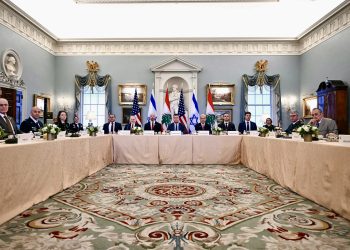
While explosions thundered in the Persian Gulf, mutually exclusive statements continued in Washington and Tehran.
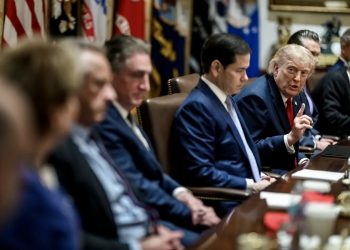
- White House optimism. President Trump again expressed confidence in the imminent signing of an agreement. According to him, negotiations are going “very well,” and a deal could be concluded “as early as this weekend.” Rubio clarified that in the first stage, Iran must open the Strait of Hormuz, and the second stage will be devoted to the nuclear program and could take months.
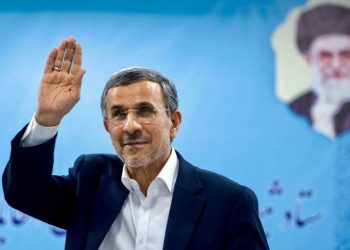
- Tehran’s pessimism. Araghchi refuted the American side’s claims, stating that there is no “tangible progress.” Iran still links the possibility of concluding a deal to a complete cessation of Israeli operations in Lebanon and Gaza.
- Stumbling blocks. Obstacles remain Iran’s stockpiles of highly enriched uranium, which the US insists on removing from the country, as well as Iran’s demand for sanctions relief. The US administration publicly stated that it refuses to provide any sanctions relief in exchange for opening the Strait of Hormuz. Additionally, a resolution has appeared in Congress demanding the withdrawal of US troops from the war with Iran.
“You Would Have Been in Prison”: The Scandalous Trump-Netanyahu Call
Relations between the two closest allies are experiencing perhaps the most serious crisis in recent years.
- Harsh criticism. In a phone call on June 3, Trump called Israeli Prime Minister Benjamin Netanyahu “crazy.” He also reproached him for ingratitude and said: “You would have been in prison if it weren’t for me.” According to sources, Trump accused the Israeli leader of derailing Washington’s strategic plans. Netanyahu later confirmed that he would continue to operate in southern Lebanon despite external pressure.
- Results of the pressure. This call apparently had an effect. The Israeli leadership, according to US officials, canceled a planned massive operation in Beirut. Following this, Washington announced the renewal of the ceasefire regime between Israel and Lebanon.
- Netanyahu’s nuclear card. Despite the ultimatum, Israel intends to maintain the initiative. Prime Minister Netanyahu did not rule out a return to “full-scale military action” against Iran, adding that the decision remains with the US president.
Conclusions as of June 4
- US-Iranian negotiations are in a contradictory phase. The White House is publicly broadcasting optimism, linking a deal to Iran’s nuclear concessions. Tehran, for its part, denies progress and directly links any agreement to a ceasefire in Lebanon.
- Military escalation continues and is reaching a new level. The strike on Kuwait’s civilian airport is a landmark event that could provoke further destabilization in the region and deal a serious blow to the negotiation process.
- Israel finds itself in a tight grip of diplomatic pressure from the US, demonstrating a serious cooling of relations with Washington. Despite Netanyahu’s public defiance and his statements about readiness for a military solution, his influence on decision-making in the White House in recent days appears minimal.