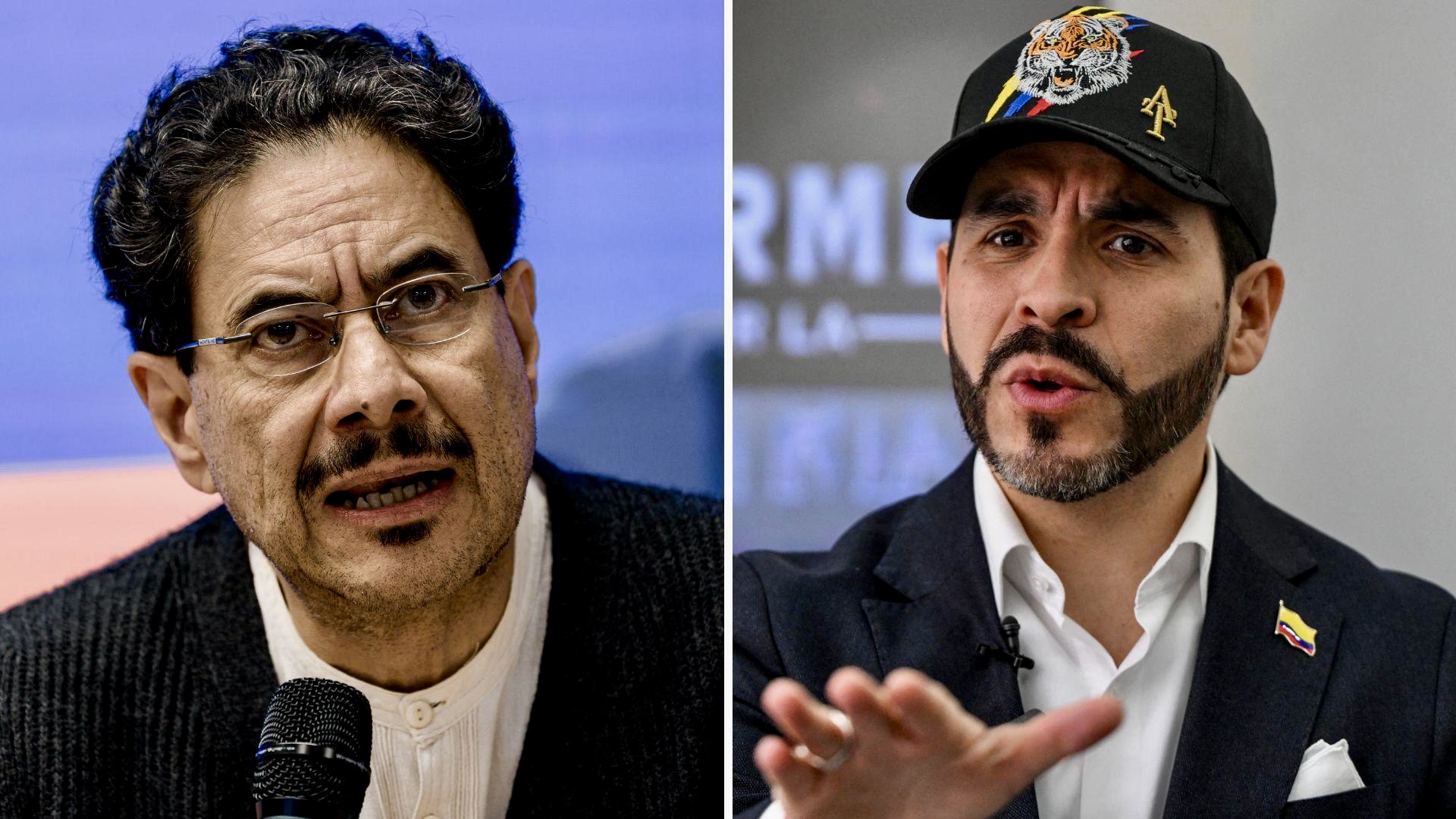
BOGOTÁ (Realist English). Colombia’s presidential election has moved to a second round, scheduled for June 21. With 99% of ballots counted, no candidate managed to cross the required 50% threshold. The runoff will pit Senator Iván Cepeda of the left‑wing “Historic Pact” (40.9% of the vote) against ultra‑right lawyer Abelardo de la Espriella (43.7% of the vote). The outcome will determine not only the country’s domestic policy but also dramatically reshape its relations with the United States.
First Round Results: Surprise and Doubts About Fairness
The biggest surprise was the lead taken by ultra‑right candidate Abelardo de la Espriella, who outpaced the incumbent president’s protégé. The other candidates, including centrist Paloma Valencia (6.9%), trailed far behind. Voter turnout was about 55%.
Incumbent President Gustavo Petro, without evidence, accused the authorities of rigging the results, claiming a “variation in electoral rolls of 800,000 people.” His protégé Cepeda also demanded explanations for “atypical voting patterns.” In response, de la Espriella called on the army to “defend democracy” and warned against daring to “deny the will of the people.”
Two Candidates, Two Platforms
Colombian society has reached peak polarization: voters must choose between two diametrically opposed courses.
Iván Cepeda (“Historic Pact”) – the right‑hand man of outgoing President Petro. His platform envisages continuing the “total peace” policy with armed groups, agrarian reform, and increased social spending. In foreign policy, he advocates maintaining an independent course from the US and a multi‑vector approach.
Abelardo de la Espriella (“Firmly for the Homeland”) – an ultra‑right populist who presents himself as an “outsider.” His program is based on a security crackdown modeled on Salvadoran President Nayib Bukele: building 10 mega‑prisons, resuming aerial fumigation of coca crops with US and Israeli support, and, in economics, reducing the state’s role and cutting taxes.
Relations with the US: Two Scenarios
The election outcome will directly affect Bogotá’s relations with Washington, which have been extremely strained under President Petro.
Scenario 1: De la Espriella wins. Washington would gain a strategic ally in Bogotá. A sharp warming of ties with the Trump administration is expected, a return to close military cooperation (similar to “Plan Colombia”), and a hard line against left‑wing regimes, including Venezuela.
Scenario 2: Cepeda wins. The current course would continue: preserving an independent foreign policy, continued friction with the US over anti‑narcotics strategy and regional diplomacy.
Challenges for the New President
Whoever wins on June 21 will inherit a country in deep crisis: record coca production, the growing power of armed groups (including drone attacks and the murder of candidates during the campaign), and massive social inequality.
The second round on June 21 will be not just an election but a referendum on which path Colombia will take – militarization and rapprochement with the US, or continued attempts to achieve peace through dialogue while maintaining a left‑wing course.