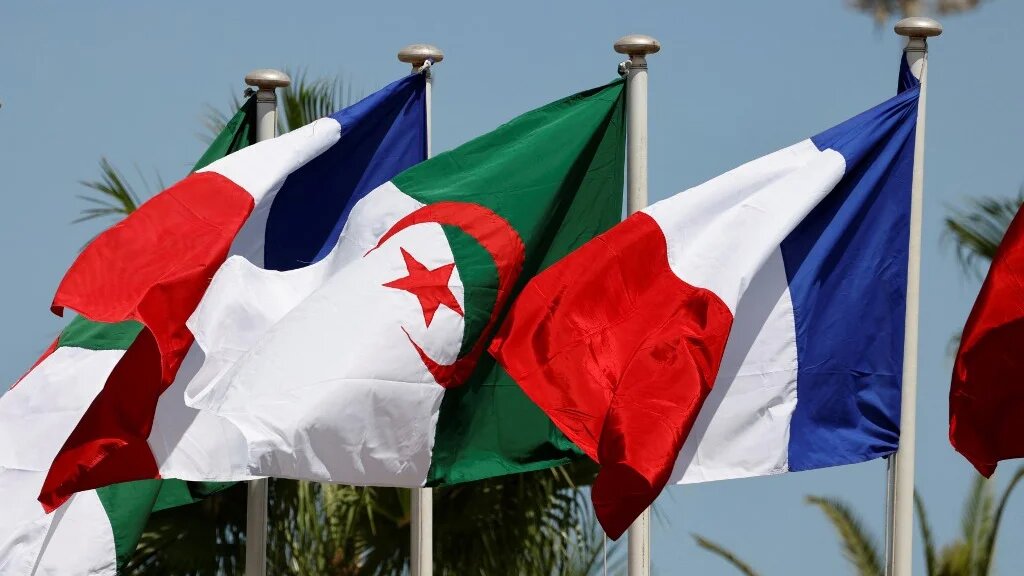
ALGIERS (Realist English). Algeria’s parliament has unanimously adopted legislation declaring France’s colonisation of the country a crime, formally assigning legal responsibility to Paris for abuses committed during more than a century of colonial rule.
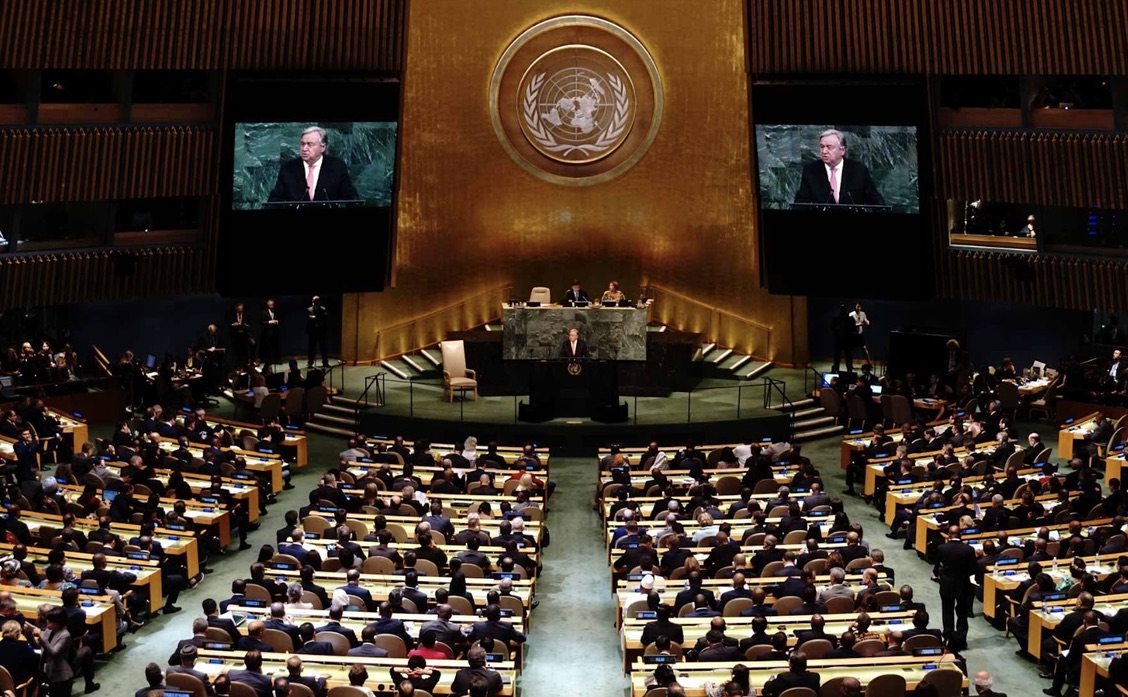
Lawmakers approved the bill on Wednesday in a highly symbolic session, standing in the chamber draped in national colours and chanting slogans in support of Algeria. The legislation also calls on France to issue an official apology and provide reparations, framing colonial accountability as a core element of Algeria’s legal and political identity.
Parliament Speaker Ibrahim Boughali said the vote sent “a clear message, internally and externally, that Algeria’s national memory is neither erasable nor negotiable,” according to the state-run APS news agency.
The law catalogues what it describes as crimes committed under French rule, including nuclear testing, extrajudicial killings, torture, enforced disappearances and the systematic exploitation of Algeria’s natural resources. It asserts that “full and fair compensation for all material and moral damages caused by French colonisation is an inalienable right of the Algerian state and people.”
While legal experts note that the legislation has no binding force under international law, analysts say its political and symbolic weight is considerable, signalling a tougher Algerian stance on the legacy of colonialism and a recalibration of relations with France.
France ruled Algeria from 1830 until independence in 1962, a period marked by widespread repression and violence. The 1954–1962 war of independence alone, according to Algerian estimates, claimed 1.5 million lives.
French President Emmanuel Macron has previously described the colonisation of Algeria as a “crime against humanity” but has consistently rejected calls for a formal apology, reiterating in 2023 that it was not his role to seek forgiveness on behalf of the French state.
The French foreign ministry declined to comment directly on the parliamentary vote. A spokesperson said Paris would not engage in “political debates taking place in foreign countries.”
Hosni Kitouni, a researcher in colonial history at the University of Exeter, told AFP that while the law does not impose legal obligations on France, its importance lies elsewhere. “Its political and symbolic significance is considerable,” he said, adding that it marks a clear rupture in how Algeria approaches the issue of colonial memory in its relations with Paris.
The vote comes amid strained ties between the two countries. Relations have deteriorated in recent months following France’s recognition of Morocco’s autonomy plan for Western Sahara, a move strongly opposed by Algiers, which backs the Sahrawi self-determination movement and the Polisario Front. Tensions deepened further after the arrest of an Algerian diplomat in Paris earlier this year, despite recent efforts by Macron and Algerian President Abdelmadjid Tebboune to revive bilateral dialogue.
Against this backdrop, the parliamentary move underscores how historical grievances continue to shape contemporary Algerian-French relations, with colonial memory once again placed at the centre of diplomatic contention.