MOSCOW (Realist English). Russia’s external public debt stood at $61.97 billion as of February 1, 2026, according to data from the Finance Ministry, marking the first time the figure has exceeded $60 billion since 2006.
The last time the country’s state external debt surpassed that threshold was in 2006, when it reached $76.5 billion. Over the following two decades, the indicator remained below $60 billion.
Separately, the Central Bank of Russia estimated the country’s total external debt — including liabilities of companies, banks and the private sector — at $319.8 billion at the beginning of 2026. Over the course of 2025, this broader measure increased by $30 billion, or 10.4%.
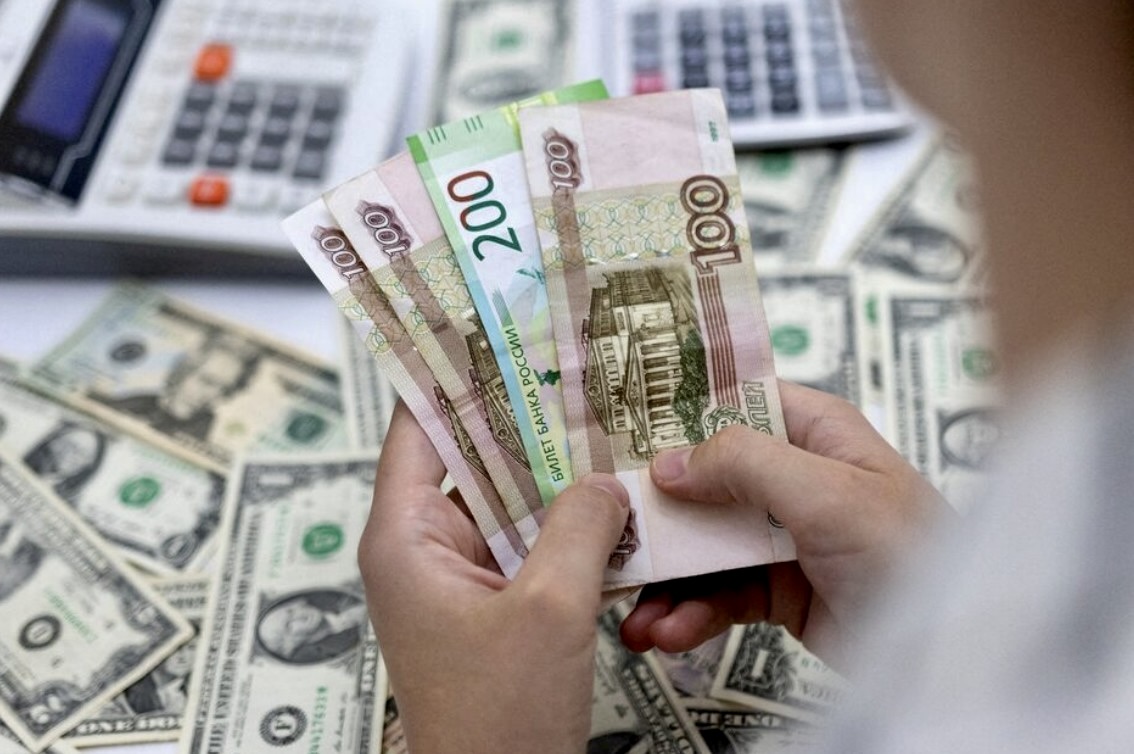
The central bank attributed the rise largely to a revaluation of foreign-currency liabilities amid the strengthening of the ruble, as well as to new external borrowing. External debt includes all financial obligations of residents to non-resident creditors.
In December, Economy Minister Maxim Reshetnikov described the persistently strong ruble — supported by a high positive trade balance — as one of the challenges facing the economy.
Earlier this week, the central bank lowered its key interest rate to 15.5% per annum, citing signs that the economy is gradually returning to sustainable growth. The regulator characterized January’s spike in prices as a one-off event not indicative of a broader inflationary trend.
According to the bank’s baseline scenario, the average key rate in 2026 is projected to range between 13.5% and 14.5%. Inflation is expected to slow to 4.5–5.5%, although inflation expectations remain elevated.
The latest debt figures suggest a moderate increase in external exposure at a time when monetary policy is easing cautiously and officials express guarded optimism about macroeconomic stability.