BEIJING (Realist English). China on Sunday denounced U.S. President Donald Trump’s new 100% tariffs on Chinese goods as “hypocritical and reckless,” while defending its recent restrictions on the export of rare earth elements — critical minerals used in high-tech and defense industries.
The statement from China’s Ministry of Commerce came two days after Trump announced sweeping new trade measures, including 100% tariffs on all Chinese exports to the United States and export controls on “any and all critical software” starting November 1.
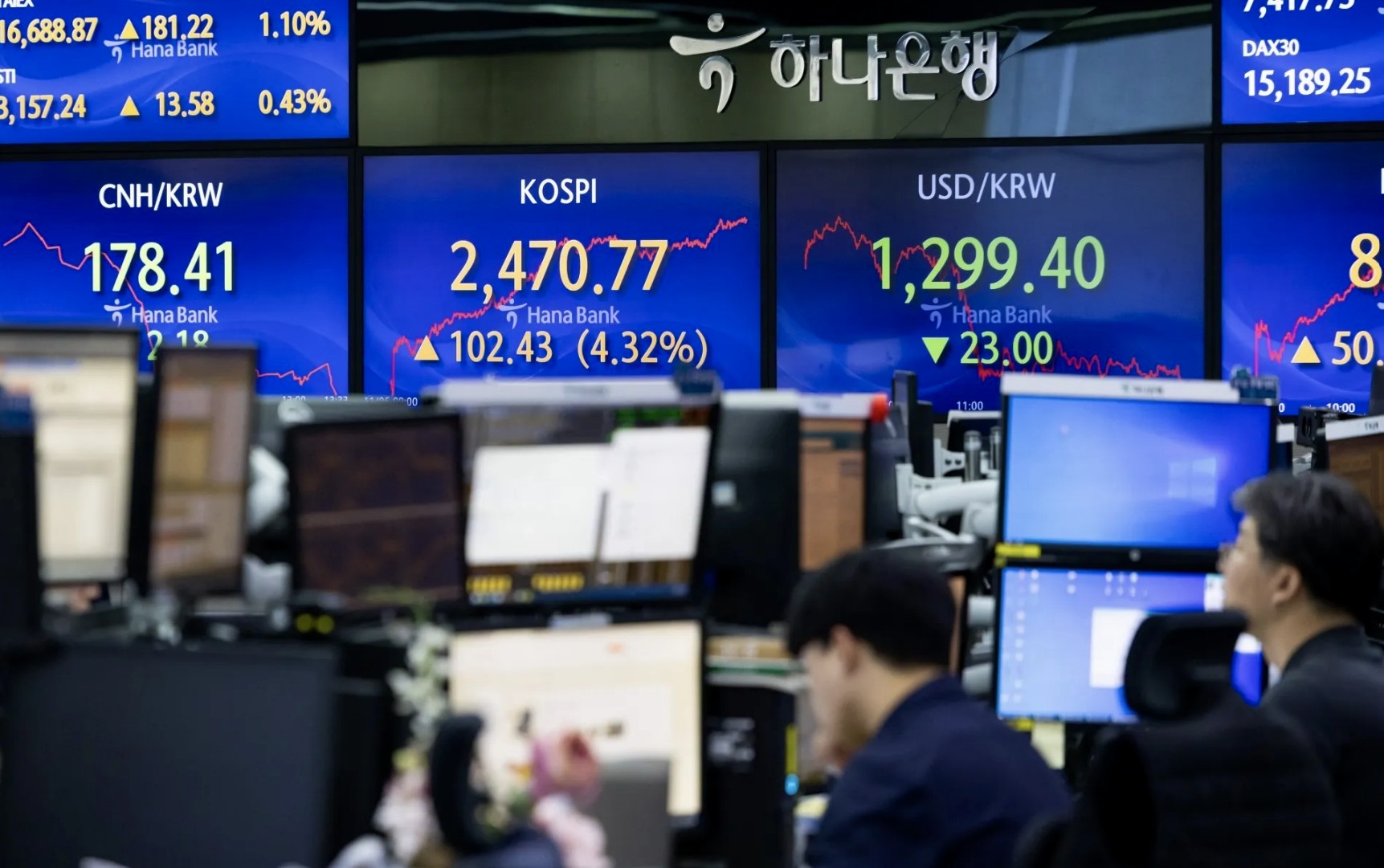
The escalation has shaken financial markets, sent Big Tech shares tumbling, and raised fears that it could derail a planned meeting between Trump and Chinese President Xi Jinping at the upcoming Asia-Pacific Economic Cooperation summit.
Beijing rejected Trump’s accusation that its export controls on rare earths were “hostile,” insisting the measures were “legitimate and necessary for national security” given the military applications of the materials.
“These actions have severely harmed China’s interests and undermined the atmosphere for bilateral economic and trade talks. China firmly opposes them,” the ministry said, referring to U.S. sanctions on Chinese firms and port fees imposed on China-linked vessels.
Beijing’s new export rules, announced last week, require foreign entities to obtain licenses to ship products containing more than 0.1% of rare earths sourced from China — a move Trump labeled “unprecedented economic aggression.”
However, unlike in earlier trade disputes, China refrained from announcing counter-tariffs, signaling that it may be seeking to keep channels open for negotiation.
“Threatening to impose high tariffs at the drop of a hat is not the right way to deal with China,” the ministry added. “Our position has always been consistent: we do not want a trade war — but we are not afraid to fight one.”
The restrained response comes amid growing concern in Beijing over the global fallout from renewed trade tensions. Analysts say China’s decision to avoid immediate retaliation could be a tactical move to preserve diplomatic flexibility ahead of potential talks aimed at de-escalation.
Still, with both sides trading accusations and markets reacting sharply, economists warn the latest tariff exchange could mark the most dangerous phase yet in the U.S.–China trade conflict, reigniting fears of a full-scale economic confrontation between the world’s two largest economies.