SINGAPORE (Realist English). The Asian Development Bank (ADB) has officially announced that the conflict in the Middle East has led to the realization of the most pessimistic energy crisis scenario that the financial institution had considered at the beginning of the year.
In an official statement on June 12, ADB President Masato Kanda said the region is experiencing a full-blown “perfect storm”: a simultaneous rise in energy prices, freight costs and production costs.
Worst-Case Scenario: How Forecasts Are Falling
Months after the escalation triggered by US-Israeli strikes on Iran and the subsequent closure of the Strait of Hormuz, the ADB has been forced to radically revise its macroeconomic forecasts.
- GDP growth for 2026 for developing Asia-Pacific countries has been revised down from 5.1% to 4.7%. With further escalation, the drop could reach 4.2% by the end of the year.
- Inflation, by contrast, has surged: the forecast has been raised from 3.0% to 5.2%. If the situation worsens, prices could jump by 7.4%.
ADB economists warn that this is not just a statistical adjustment. The current situation is qualitatively different from the COVID-19 pandemic: the region is facing a “pure supply shock” that cannot be compensated by demand stimulus and requires structural changes.
15 Countries and $4 Billion in Emergency Aid
The real tension on the Asian continent is confirmed by the figures for emergency loans. To date, 15 countries have submitted formal requests for urgent financing. The total amount requested has reached $4 billion, and the bank is negotiating with four more countries that are preparing to join the list.
The distribution of requests is uneven and reflects the level of economic vulnerability:
- The Philippines requested $1.75 billion. The country is heavily dependent on Middle Eastern oil and has declared a national energy crisis, starting emergency purchases of Russian fuel.
- India submitted a request for $1.5 billion. The government is trying to stabilise the rupee (which has become one of Asia’s worst-performing currencies), spending reserves to pay for import bills.
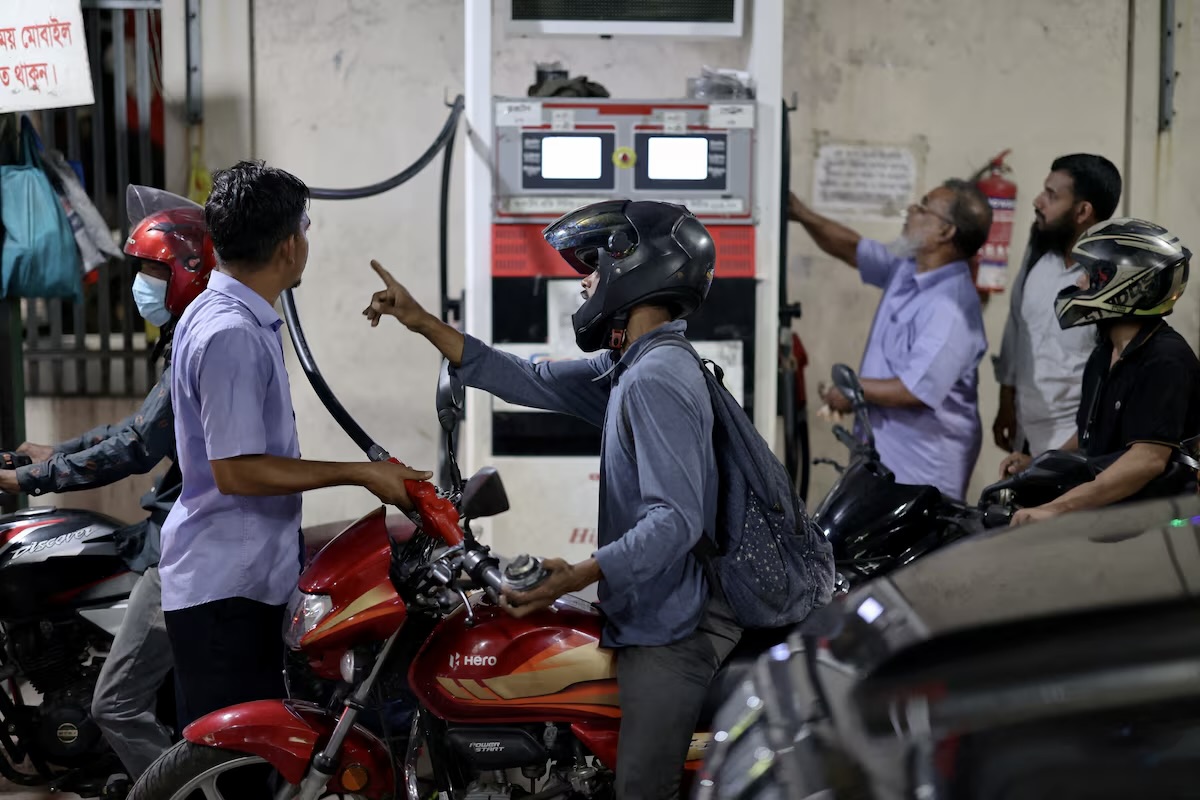
- Bangladesh is experiencing a budget deficit of $3 billion due to the spike in energy prices. Dhaka has urgently turned to the ADB, the IMF and the World Bank for help.
- Sri Lanka, which has not yet recovered from its 2022 default, is again asking for financial support, risking a return to default.
Domino Effect: From Fertilizers to Tourism
The energy shock has triggered a chain reaction in related industries, exacerbating social tensions.
- Agriculture: Fertiliser prices have jumped by 50%. This will inevitably lead to higher food prices, hitting the poorest segments of the population and increasing subsidy costs.
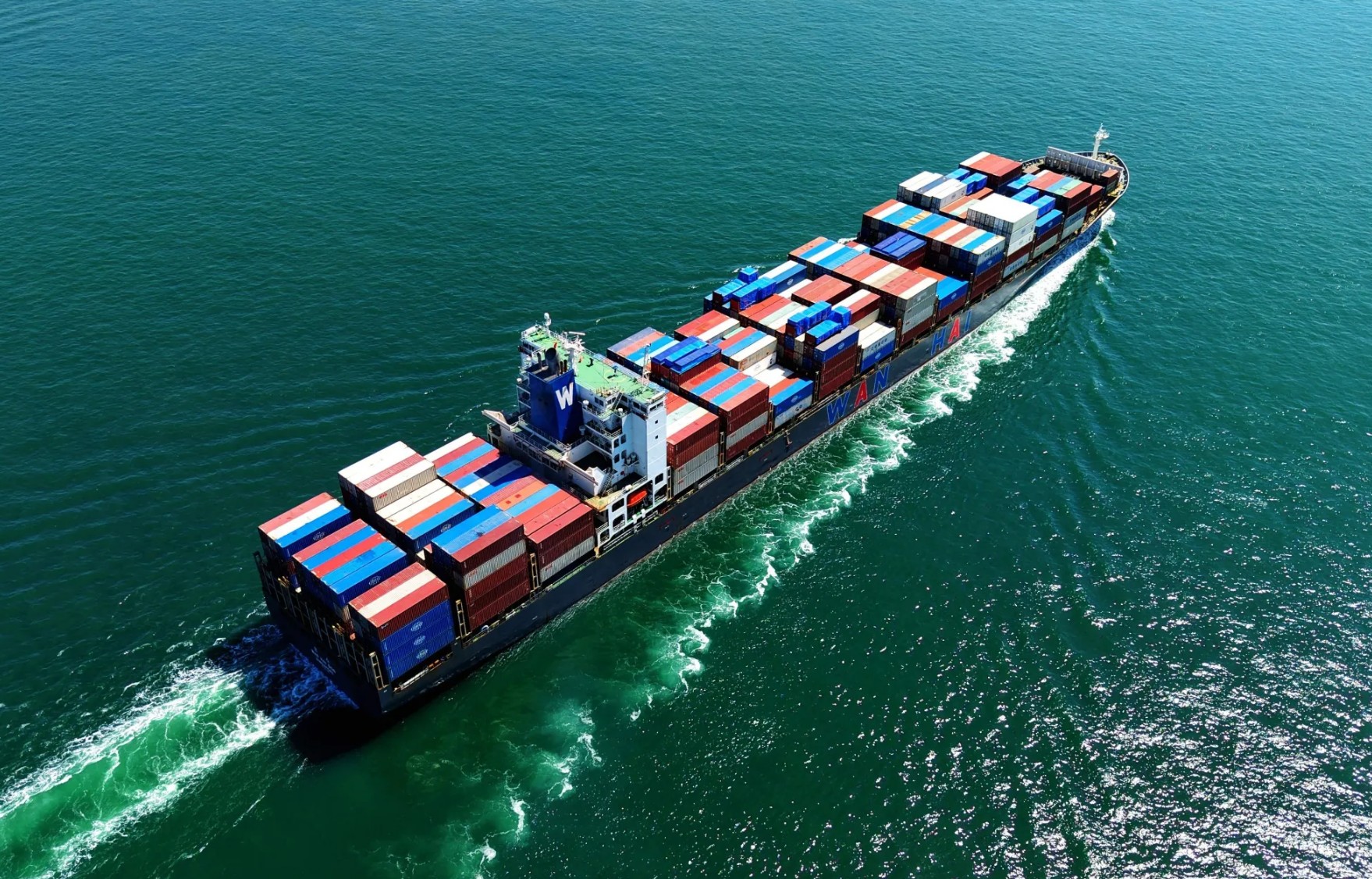
- Transport: Rising fuel oil and kerosene costs have led to more expensive air tickets and sea freight, breaking supply chains in electronics and “fast delivery”.
- Tourism: Direct tourist flows to the Middle East are declining, depriving the budgets of several countries (Thailand, Maldives, Cambodia) of foreign exchange earnings and hitting the hospitality sector.
- Finance: Asian stock markets have fallen by an average of 3%, with capital outflows already exceeding $28 billion. Bond yields are rising, and the cost of borrowing for governments is increasing.
Response Measures: From Emergency Purchases to a “Pan-Asian Power Grid”
In response to the critical situation, the ADB is moving to unprecedented support measures. The response is proceeding along three tracks:
- Immediate liquidity: Financing of oil imports has been urgently resumed through the Trade and Supply Chain Finance Program (TSCFP). Since March 1, $673 million has been allocated through this programme for the purchase of oil and gas, and $390 million for food security in nine countries.
- Strategic planning: The ADB has stepped up work on the Pan-Asian Grid Initiative (PAGI) with a budget of $50 billion. The goal is to integrate countries’ power systems for electricity transfers and the integration of renewable energy to reduce the region’s dependence on hydrocarbon imports.
- Structural reforms: The ADB has eased lending limit requirements, increasing its lending capacity by 50%, and for the first time in its history has allowed the financing of nuclear power projects.
The Asian Development Bank states that the Middle East conflict has escalated into a full‑scale crisis for energy‑dependent economies in Asia. Unlike previous shocks, recovery promises to be longer because it requires not just replacing energy sources but restructuring the entire economic model (logistics, finance, insurance).
The ADB warns that many countries in the region, especially island and low‑income nations, are moving toward a point of no return where spending to maintain currency stability and subsidise fuel prices could exhaust their reserves.