NEW DELHI (Realist English). On July 25, India’s Education Minister Dharmendra Pradhan submitted his resignation.
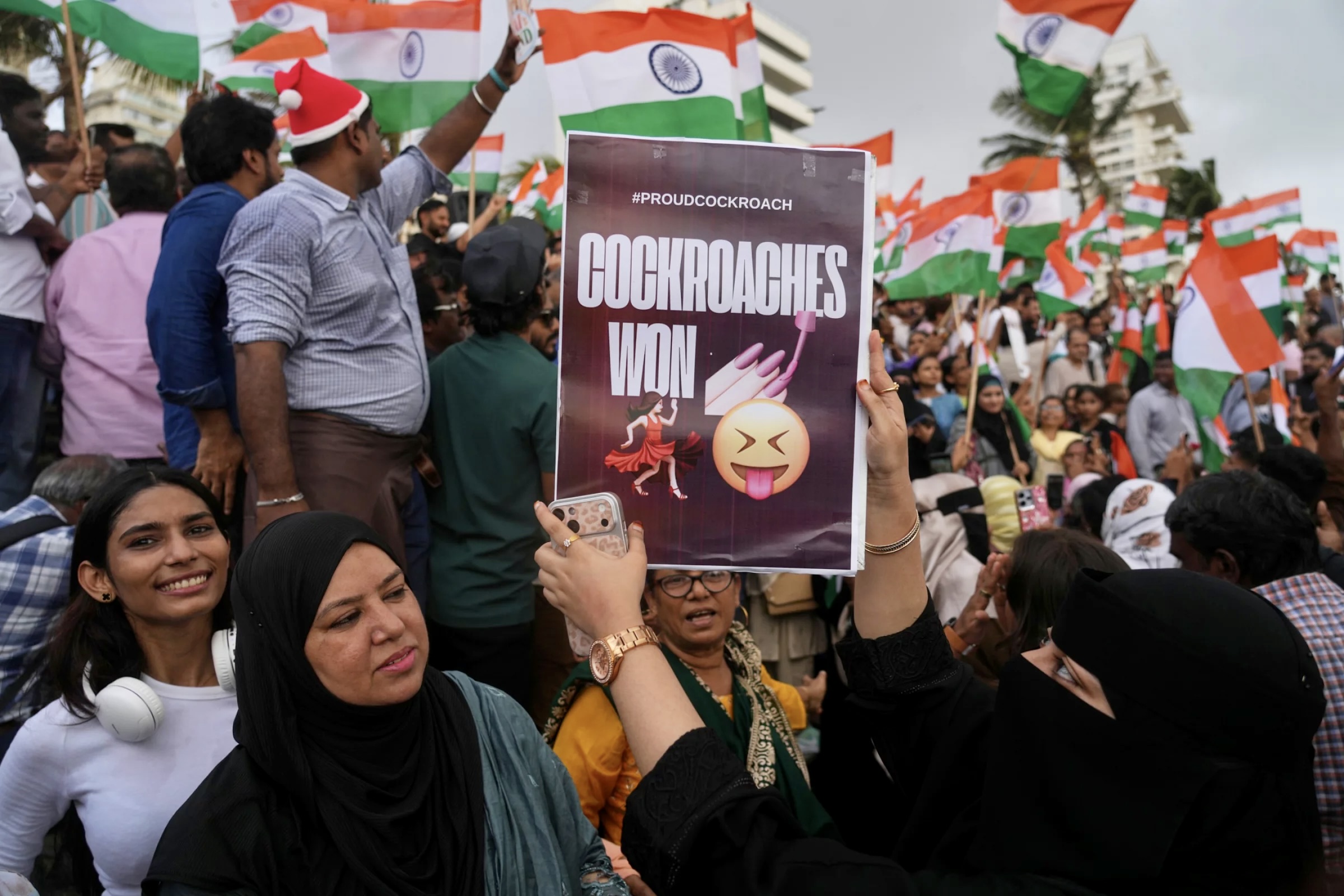
This became the biggest political victory of the youth protest movement “Cockroach Janata Party” (CJP), which had spent weeks demanding his dismissal over exam paper leaks and systemic failures in the education system.
Pradhan, one of the most influential members of Narendra Modi’s cabinet and a long-time ally of the prime minister, announced his resignation on social media platform X just hours before the third round of talks with protest leaders.
“Given the situation at Jantar Mantar and across the country, and to prevent anti‑national forces from exploiting this situation… I have submitted my resignation to the Prime Minister,” he wrote.
From Insult to Symbol of Resistance
The CJP movement emerged in May 2026 after Supreme Court Chief Justice Surya Kant, during a hearing, compared unemployed young people to “cockroaches.” The youth, who have suffered from unemployment and corruption for years, turned the insult into a symbol of resistance.
The spark for the protests was a leak of the National Eligibility cum Entrance Test (NEET‑UG) medical exam papers in May. The results were cancelled, and the retake affected around 2 million students.
This triggered a wave of anger among young Indians, 65% of whom are under 35. Dozens of students took their own lives.
Chronicle of Protests: From Delhi to the Nation
The protests began in late June. On July 20, thousands of demonstrators attempted to march to parliament. Police used batons and tear gas, injuring dozens of students. This only fuelled the fire — outrage escalated into mass protests that spread across West Bengal, Telangana, Karnataka, and Tamil Nadu.
By mid‑July, a huge tent city had gathered at Jantar Mantar in Delhi. Prominent activist Sonam Wangchuk joined the movement, declaring a 26‑day hunger strike. Opposition parties backed the youth’s demands and blocked parliament for a week.
Resignation as a “Surprise”
Pradhan’s resignation came as a surprise, as Modi is known for never yielding to pressure. Several factors played into the minister’s departure:
- Massive protests — the movement swept the entire country.
- Upcoming elections — the youth are a key BJP electorate.
- Parallels with neighbours — similar movements recently toppled governments in Sri Lanka, Nepal, and Bangladesh.
Celebration and “Only the Beginning”
News of the resignation sparked wild celebrations at Jantar Mantar. CJP founder Abhijit Deepke, barely holding back his emotions, shouted to the crowd: “We did it!” Thousands chanted “Jai Hind” (“Victory to India”).
However, Deepke warned: “This is not the end — this is only the beginning.” The CJP will continue to demand:
- compensation for families of students who took their own lives;
- punishment for police brutality;
- systemic education reform.
The government has said it will accept all of the protesters’ demands, including exam system reform and withdrawal of police cases against activists. The CJP has announced an end to the protests.
This is the first victory for a youth movement in India in 12 years of Modi’s rule. However, the roots of the protests — unemployment, corruption, and a flawed education system — remain. One minister’s resignation will not solve the problems of 65% of the country’s population, who are under 35.