WASHINGTON (Realist English). As a possible peace agreement between Washington and Tehran nears, Iran has taken unprecedented steps to conceal its stockpile of highly enriched uranium.
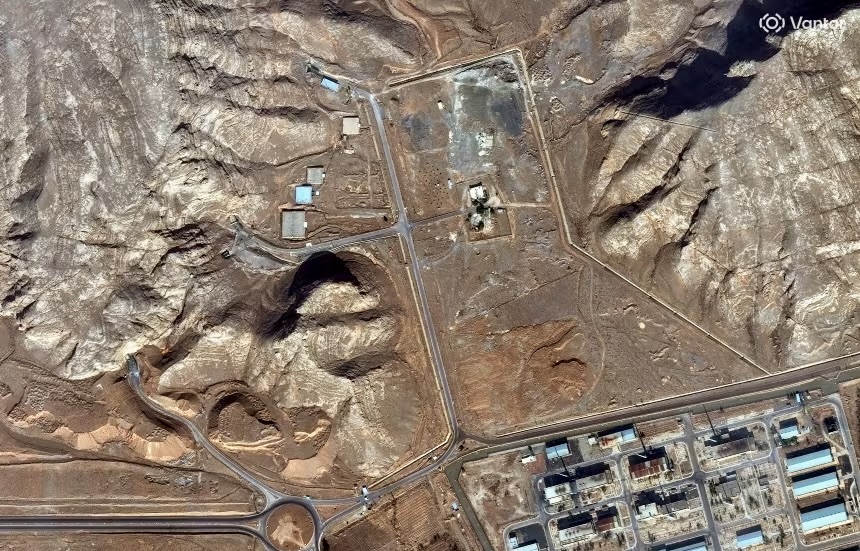
According to a CNN investigation, Iranian military forces deliberately collapsed tunnels and mined entrances to underground storage facilities containing about half a ton of uranium enriched to 60% — just one technical step away from weapons grade.
Iran Builds a “Wall” of Earth and Explosives
According to five sources familiar with US intelligence, in recent weeks Iran has sharply stepped up efforts to isolate its near‑weapons‑grade uranium stockpile. Gaining access to the uranium is now much harder, more dangerous and more time‑consuming than it was just a month ago.
- Engineering obstacles. The Iranians deliberately collapsed tunnels and mined the entrances with explosives. Even for the Iranians themselves, extracting the enriched material would now require heavy excavation equipment and demining, which is extremely risky.
- Location of the uranium. According to the international community, most of the uranium is located in collapsed tunnels of the nuclear complex in Isfahan, as well as at other facilities. The IAEA estimates the total stockpile of uranium enriched to 60% at 440.9 kg (972 pounds) — enough to produce up to 10 nuclear warheads if a political decision were made to weaponise it.
The Secret US Plan: Operation to Seize the Uranium
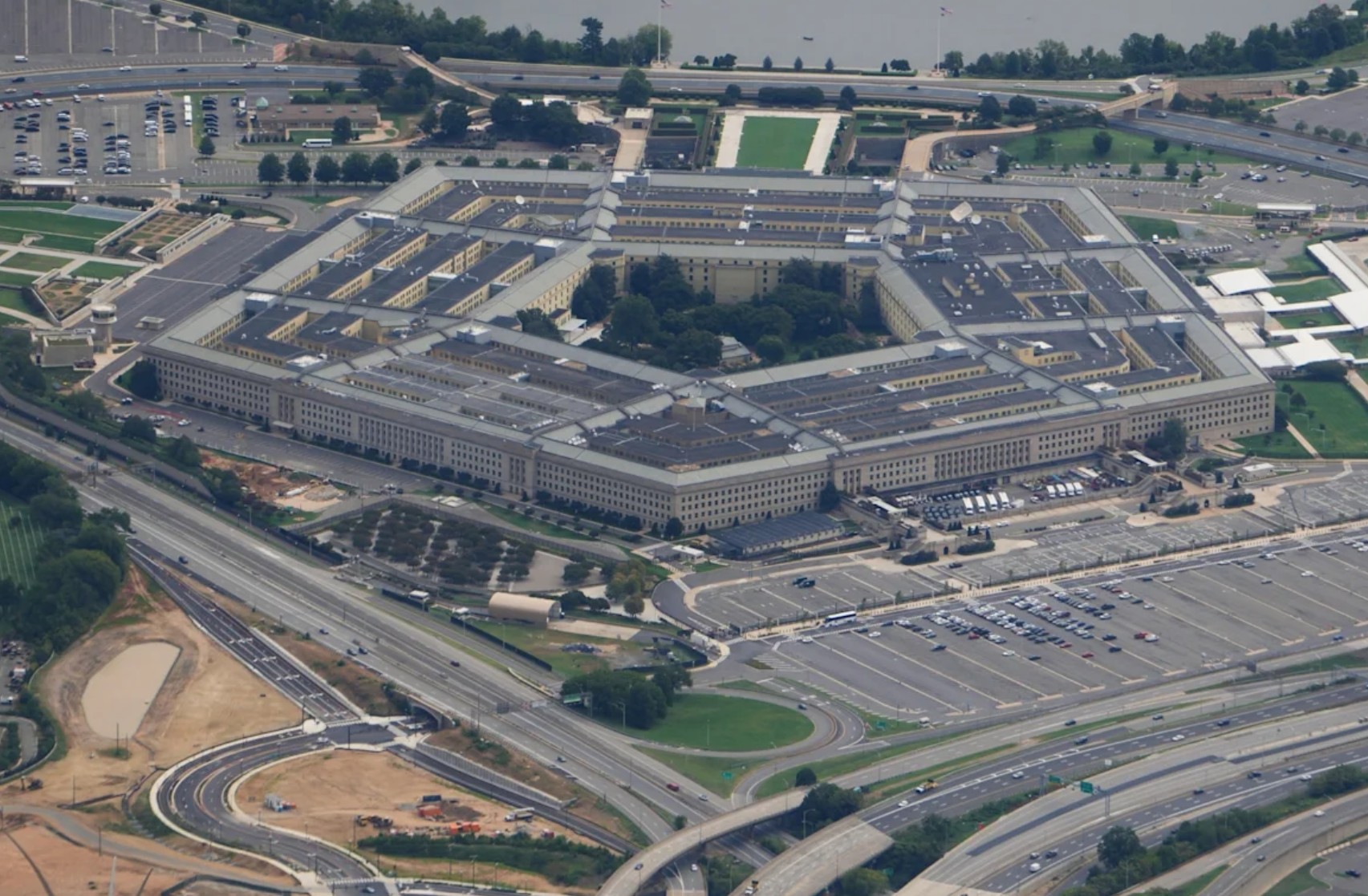
Iran’s actions were a direct response to fears that the US might try to seize the uranium by force. In mid‑May 2026, the Pentagon urgently prepared a ground operation to capture Iranian uranium.
- Secret preparations. General Dan Caine, Chairman of the Joint Chiefs of Staff, broke off a meeting of senior NATO officials in Brussels and flew to a secret briefing at US Central Command headquarters in Tampa, Florida, on May 19.
- Risks and cancellation. Although the operation was fully worked out, President Donald Trump ultimately froze the plan. A key factor was the warning that such a move would provoke harsh Iranian retaliation, drag out the conflict, lead to significant American casualties and destabilise the global economy.
Negotiation Deadlock: Nuclear Deal in Doubt
Iran’s reinforcement of its storage facilities has created serious problems for the negotiation process. Under one version of the draft deal, the Trump administration demanded that Iran hand over its uranium to the US for destruction on site and subsequent removal.
- Who will dig? The fortification of the storage sites raises the question of who would undertake the dangerous task of extracting the uranium. Even if a deal were reached, the Iranians themselves would have to do the work. This creates an opportunity for Tehran to claim that some of the uranium has been “irretrievably lost”.
- IAEA pressure. On June 10, 2026, the IAEA Board of Governors adopted a resolution demanding that inspectors be given access to nuclear sites and full information on uranium. The document was supported by 21 countries, including France, Germany, the United Kingdom and the United States; Russia and China voted against.
Iran has effectively buried hundreds of kilograms of highly enriched uranium underground, collapsing tunnels and mining the entrances, creating a “slow‑motion nuclear bomb”. This move is, on the one hand, a defence against possible US military intervention, and on the other, a serious obstacle to a diplomatic settlement.
Thus, Washington and Tehran are simultaneously balancing on the brink of a breakthrough in negotiations and a complete collapse of the deal, while the main prize — the possibility of physically eliminating Iran’s nuclear potential — is becoming increasingly illusory.