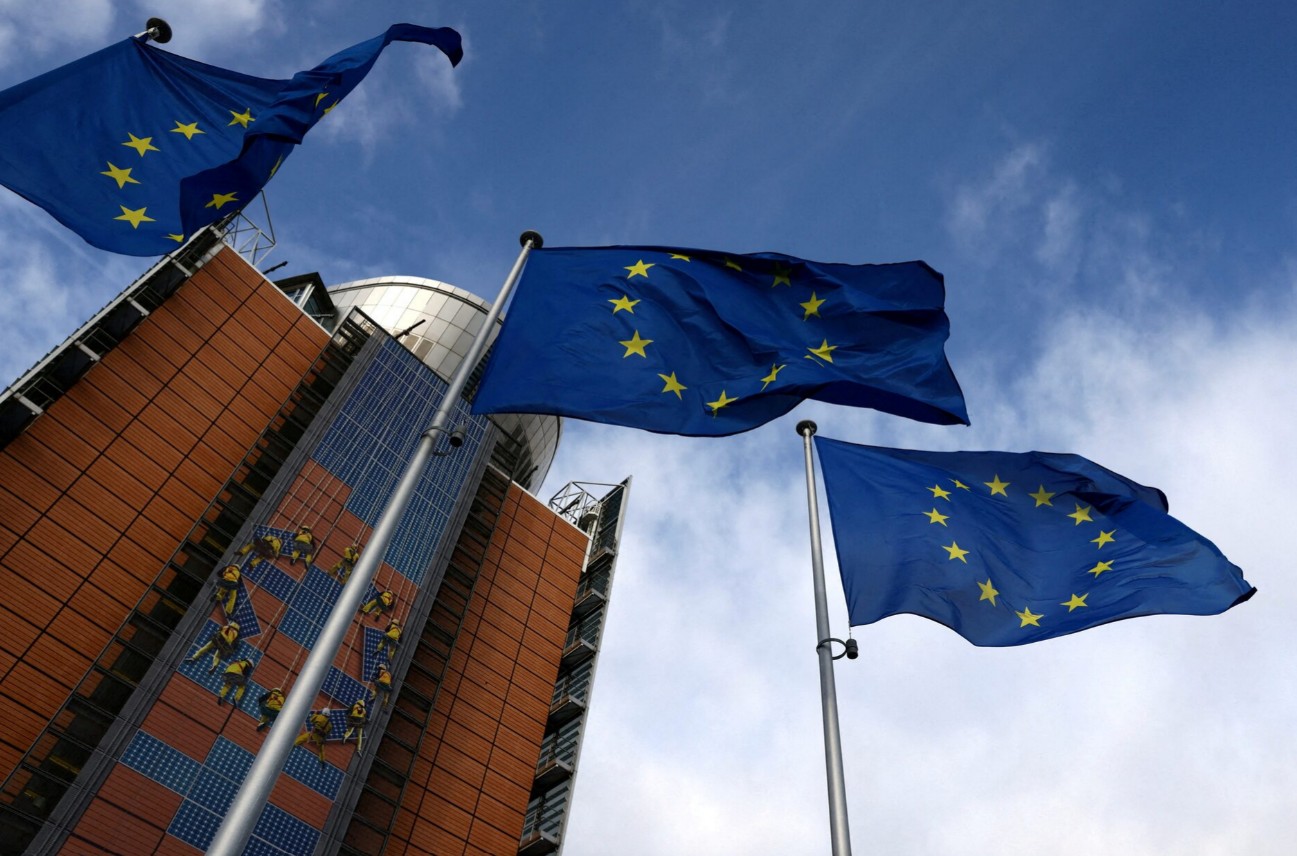
BRUSSELS (Realist English). The dramatic adoption of the EU’s 21st sanctions package against Russia ended with a compromise that could cost Brussels its entire “package” strategy of sanctions.
Greece, which operates the world’s largest merchant fleet, blocked the agreement for weeks, demanding exemptions for the shipping company Dynagas, owned by Greek billionaire George Prokopiou.
The final deal, according to experts, became the “first softening” of the pan-European sanctions regime against Moscow, and in Brussels, serious discussions have begun about abandoning the practice of adopting sanctions in “packages.”
Chronicle of the Conflict: How Greece Put the EU on Pause
The 21st sanctions package was supposed to be one of the most extensive since the start of the war. It included a ban on importing Russian LNG into EU ports for re-export to third countries, the freezing of assets of 94 Russian financial institutions, and the blocking of operations with 33 banks.
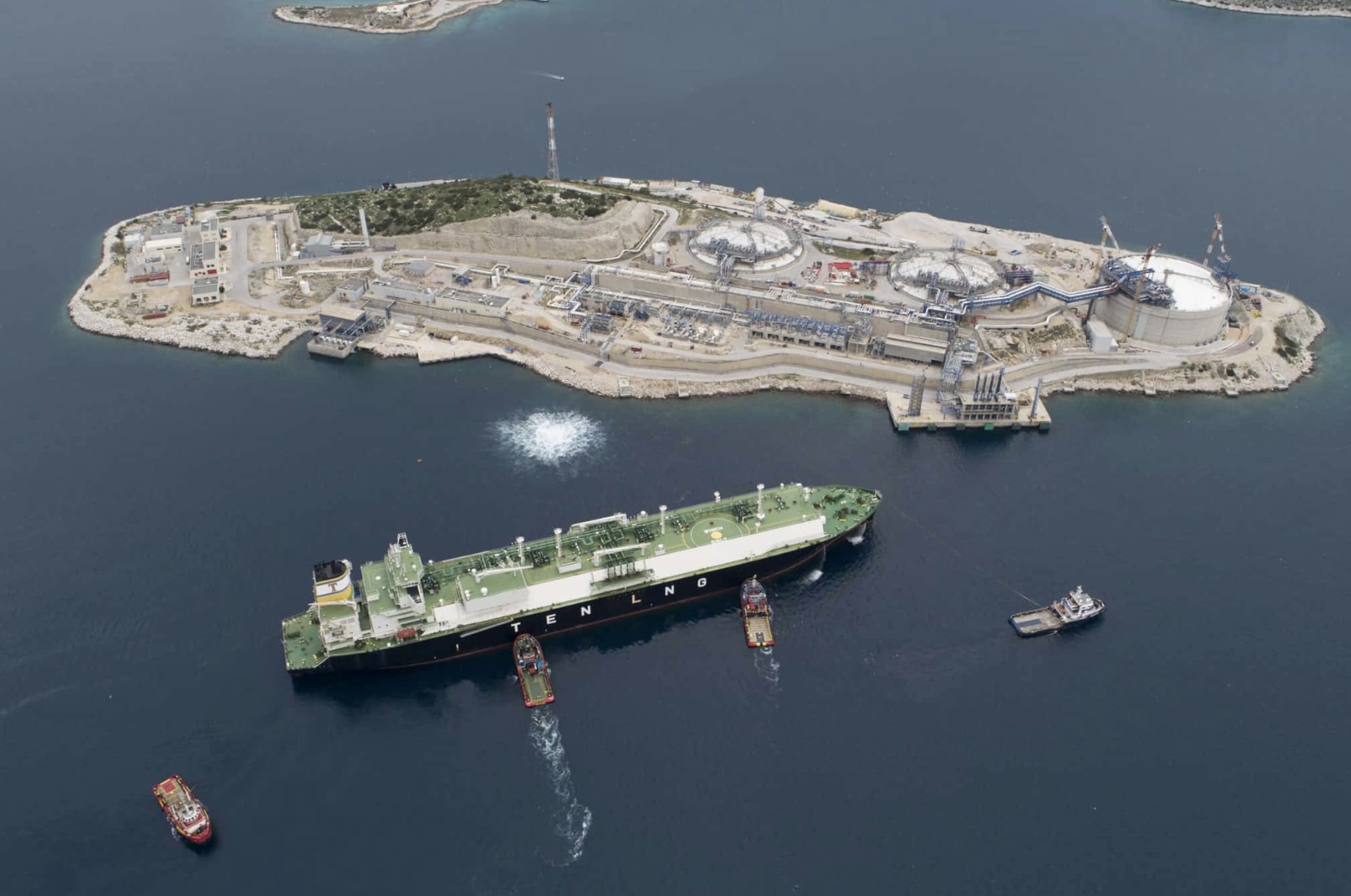
However, the draft met resistance from Greece, which refused to support the package without exemptions for its shipping industry. Athens demanded that EU companies be allowed to continue transporting Russian LNG to third countries even after the ban takes effect in January 2027.
Talks reached an impasse. A four-day marathon of EU ambassadors’ meetings ended inconclusively. Greece insisted on an indefinite exemption , rejecting compromise options with time limits. The situation was further complicated by other countries: Germany, France, Italy, Austria, and Portugal also demanded concessions in various sectors. In the end, the 21st package was only agreed upon by July 23.
The Greek Deal: Who Benefited and How Much
The key beneficiary of the exemption was Dynagas , owned by Greek shipowner George Prokopiou. Since 2022, its vessels have transported more than 30 million tonnes of Russian LNG from the Yamal LNG Arctic project, worth an estimated $24 billion.
Under the compromise reached, Dynagas and other European operators received a 12-month exemption with the possibility of extension, allowing them to continue transporting Russian LNG to third countries. Shipping volumes are capped at 2025 levels. The ban on new contracts remains in place.
In addition to the Greek exemption, the package also contains concessions to other countries: Austria secured a softening for Raiffeisen Bank, Bulgaria secured an exemption for Patriarch Kirill, while Portugal and Germany had the ban on Russian fish imports lifted.
Athens’ Arguments: “The Ban Is a Mistake — the Chinese Will Win”
Greek officials insisted that the proposed ban on Russian LNG transportation had been agreed upon “by mistake” and would damage only European companies without affecting the Russian economy.
Athens’ key argument: the specialised Arc7 ice-class tankers needed to export gas from the Arctic, if banned, would simply be re-registered under other flags — Chinese or otherwise — and continue operations outside EU control.
Europe would lose both revenue and leverage. Greece also cited that previously reached agreements at the EU leaders’ level had not envisaged such a ban.
Brussels and Expert Reaction: “Swiss Cheese” Instead of Sanctions
Diplomats and experts met the compromise with disappointment. One European diplomat said: “This is a terrible example of how the interests of one private company were put above the interests of the European Union and Ukraine’s victory.”
Another warned that if every country demands individual exemptions, “the process will inevitably lead to a package that is nothing more than an empty box.”
Isaac Levi, an analyst at the Centre for Research on Energy and Clean Air (CREA), called the situation “shocking”: “Europe’s collective security and support for Ukraine must stand above the profits of a powerful billionaire.”
The Parliament Magazine characterised the final document as a “sanctions package — Swiss cheese.”
Consequences: Brussels Changes Strategy
The Greek incident triggered a deeper review of approaches in Brussels. According to the Financial Times, the European Commission and the most pro-Ukrainian countries are considering abandoning the “package” principle of adopting sanctions.
Instead of sweeping but hard-to-agree packages, restrictions would be introduced individually or in small thematic groups. This would reduce the risk of delaying all measures due to a veto by one country on a single point. According to one FT interlocutor, “the 21st sanctions package against Russia may be the last in this format. It is now abundantly clear that this approach no longer works.”
At the same time, opponents of such an approach warn that abandoning packages would deprive countries of the ability to jointly assess the economic impact of sanctions and fairly distribute the burden.
The Greek veto has become a turning point in the EU’s sanctions policy. For the first time since 2022, the interests of a single company and national business were placed above pan-European solidarity.
And although the 21st package was ultimately adopted, its price was high: Brussels is now forced to rethink the very logic of imposing sanctions.
The question is whether the new strategy — abandoning “packages” — will actually speed up the adoption of restrictions, or whether it will lead to further fragmentation and weakening of European unity in the confrontation with Moscow.