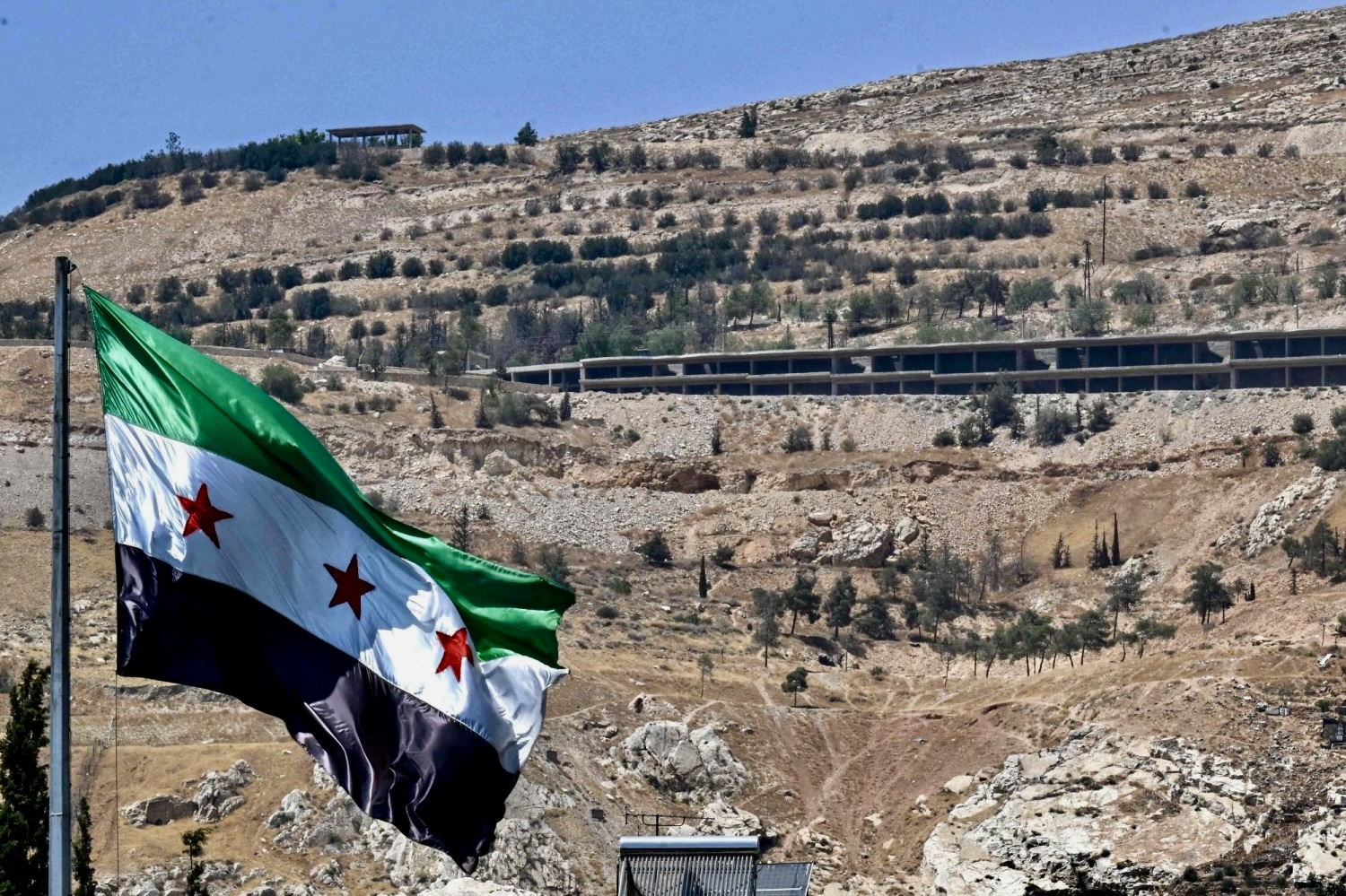
DAMASCUS (Realist English). On July 26, the pro‑Turkish dictator of Syria, Ahmed al‑Sharaa, said in an interview with Al Jazeera that Damascus is actively working towards a security agreement with Israel.
According to him, the success of this agreement could pave the way for comprehensive peace between the two countries, which have formally been in a state of war since 1948 and have no diplomatic relations.
“We are avoiding confrontation with Israel; we have no interest in it,” al‑Sharaa stated. “We are working towards a security agreement with Israel with the participation of a group of other countries. If the agreement is successful, it will pave the way for comprehensive peace.”
Negotiations with Mediators
According to the Israeli newspaper The Times of Israel, the talks between Damascus and Jerusalem are being conducted with the participation of several mediator countries. The sides are focusing on reaching an arrangement that would provide for the withdrawal of Israeli troops from the buffer zone captured after the fall of Bashar al‑Assad in late 2024.
In January 2026, Israel and Syria already agreed to establish a joint mechanism for intelligence sharing and military de‑escalation coordination under US supervision.
The current talks are aimed at reviving the 1974 Disengagement Agreement, which established a UN‑observed buffer zone between Israel and Syria after the Yom Kippur War of 1973.
Golan Heights: Damascus’s “Red Line”
Despite his willingness to engage in peaceful dialogue, al‑Sharaa categorically ruled out any surrender of rights to the Golan Heights, which were captured by Israel during the Six‑Day War of 1967 and subsequently annexed.
“If the security agreement with Israel is successful, it will pave the way for comprehensive peace without Syria relinquishing its rights to the occupied Golan Heights,” the pro‑Turkish dictator said.
UN Secretary‑General António Guterres, who arrived in Damascus on July 26 for the first visit by a UN chief to Syria in 17 years, reaffirmed the international community’s position that the Golan Heights are Syrian territory under Israeli occupation.
The Turkish Factor: Ankara‑Tel Aviv Rivalry in Syria
Al‑Sharaa’s statement came amid intensifying rivalry between Turkey and Israel for influence in Syria. As the LBC Group notes, “incidents around Syria, Iraq, and Hezbollah expose an increasingly intense rivalry between Turkey and Israel.”
Turkey is the main sponsor of the new Syrian government. Ankara, which actively supported al‑Sharaa’s forces in overthrowing Assad, is interested in presenting Syria as a state capable of controlling its borders. Israel, for its part, is watching with alarm Turkey’s attempts to expand its presence in Syria.
Turkish‑Syrian military cooperation. According to Militarnyi, Turkey plans to deploy a layered air defence system in Syria to protect the country from Israeli attacks. Under the agreement, Ankara will provide Syria with air defence and ground components to protect key infrastructure.
The drive for a “Turkish protectorate.” According to Israeli assessments, Ankara seeks to turn Syria into a Turkish protectorate. Turkey wants to control northern Syria and strengthen its presence around Palmyra and the T‑4 airbase to ensure security around Damascus.
Direct contacts to prevent clashes. In early July, Turkish and Israeli military delegations met in Baku to discuss establishing a “conflict prevention mechanism” in Syria. This indicates that both sides are aware of the risk of direct military confrontation on Syrian territory.
Ankara’s criticism of Israel. Turkish Foreign Minister Hakan Fidan called the Israeli government’s policy a “direct threat to regional and international security,” while President Recep Tayyip Erdoğan has repeatedly condemned Israeli strikes on Syria.
As the Arab publication Al‑Arab notes, the future of Turkish‑Israeli relations will be determined largely within Syria, not in political capitals. If Damascus manages to strike a new balance that takes into account the interests of regional powers, Turkish‑Israeli differences may remain within the framework of political and military competition.
Refusal to Intervene Militarily in Lebanon
In the interview, al‑Sharaa also categorically rejected any possibility of Syrian military intervention in Lebanon, despite calls from US President Donald Trump, who had previously stated that Syria “knows how to deal with Hezbollah better than Israel.”
“We are discussing solutions with the Lebanese government to help bring it to a safe state. The solution in Lebanon is not necessarily military,” the Syrian dictator said. He stressed that any chaos in Lebanon would directly affect Syria and expressed support for the Lebanese state’s monopoly on weapons and decisions on war and peace.
Al‑Sharaa’s statement was the most decisive signal of Syria’s readiness for a peaceful settlement with Israel since the change of power in Damascus. However, the prospects for an agreement remain uncertain: Israel has not yet given an official response, and Syria’s position on the Golan Heights remains the main obstacle.
At the same time, the Syrian president expressed concern about the escalation in the region and noted that the lifting of economic sanctions would not yield results without removing Syria from the list of state sponsors of terrorism.
As the Israeli outlet Ynet notes, al‑Sharaa’s statement came on the same day that Syrian media reported the advance of Israeli troops in Daraa province, highlighting the fragility of the situation amid the negotiation process.
The question of whether al‑Sharaa can maintain a balance between pressure from Turkey, Israel’s demands, and his own ambitions to rebuild Syria remains open. As the Arab press notes, “if Damascus manages to strike a new balance that takes into account the interests of regional forces, the differences between Turkey and Israel may remain within the framework of political competition.”