SINGAPORE (Realist English). Oil prices collapsed on July 27 after the US and Iran paused military strikes over the weekend of July 25–26, prompting investors to unwind the geopolitical premium that had been priced into futures last week.
Brent crude lost more than 7% during trading, falling below $90 per barrel, while WTI dropped nearly 6% — to $84–85 per barrel.
By the evening of July 27, Brent was trading around $92.48 per barrel (-4.44%), while WTI stood at about $85.35 (-4.4%). However, even after the correction, prices remain significantly above early‑July levels, when Brent was trading at around $75 per barrel.
Pause in Strikes: What Happened
For the first time in 13 consecutive nights, the Pentagon halted bombing Iranian targets to give diplomacy a chance. As US Ambassador to the UN Mike Waltz stated, “while forces remain fully combat‑ready, President Donald Trump wants to give negotiations some room.”
Trump, for his part, described the situation as a choice between two strategies: continuing the military campaign with a “heavier dose” of strikes or reaching a diplomatic agreement.
Tehran reciprocated. An Iranian official told Reuters that Iran would suspend retaliatory strikes as long as the US pause holds, though both sides warned they were ready to resume military action if talks failed.
Drivers of the Decline: From Diplomacy to Arsenal Depletion
The key factor behind the drop was the rollback of the geopolitical premium. On July 22, Brent briefly hit $100 per barrel after the conflict expanded beyond the Strait of Hormuz and spread to the Red Sea. Iran‑backed Houthis attacked Saudi oil facilities along the Red Sea coast, threatening exports from the Yanbu port.
As ING analysts noted, “the price action in the oil market this morning clearly reflects the market’s desperation for positive news.” IG senior market analyst Tony Sycamore added that “improved diplomatic prospects, including a possible return to the previously agreed memorandum on Hormuz management, have prompted investors to partially unwind the geopolitical premium.”
According to US officials familiar with the situation, Trump delayed a major escalation of the military campaign against Iran amid efforts to revive diplomacy and debates over dwindling ammunition stockpiles. As previously reported, Vice President JD Vance and Joint Chiefs of Staff Chairman General Dan Caine had warned Trump about the depletion of arsenals.
China is also making attempts to revive stalled peace talks between Washington and Tehran.
Strait of Hormuz and Bab el‑Mandeb: Disruptions Persist
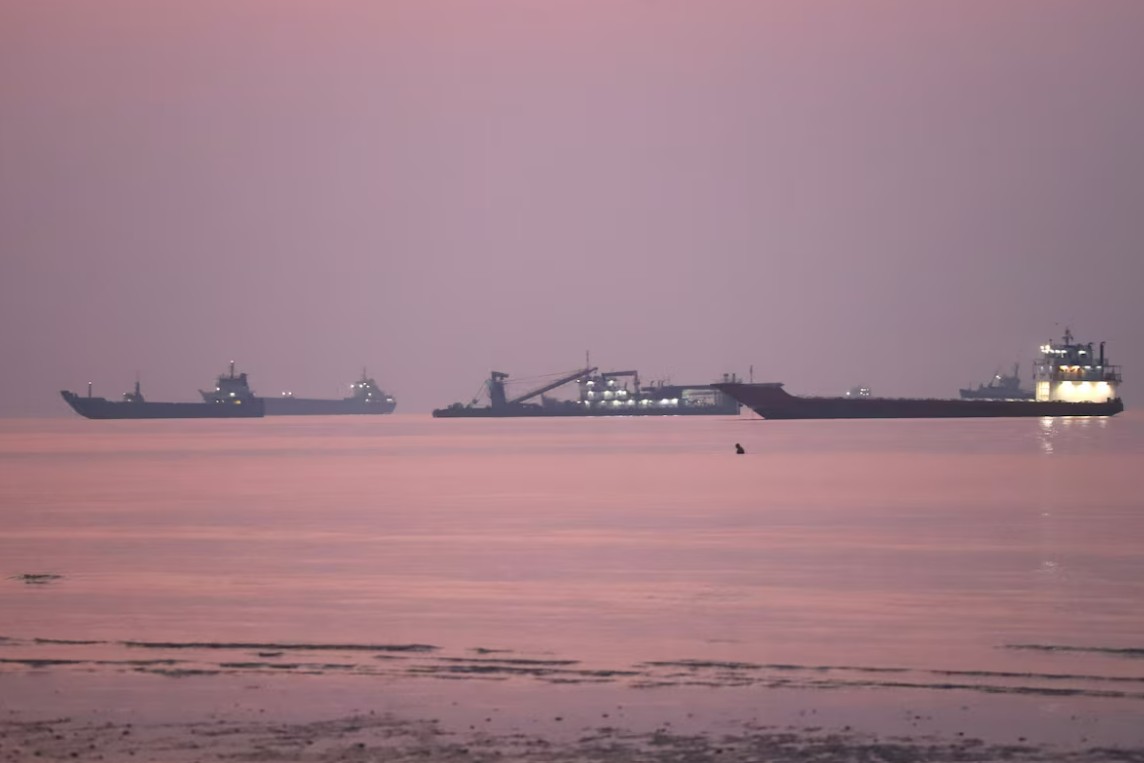
Despite the pause in strikes, shipping through the Strait of Hormuz remains severely restricted. According to Kpler data, fewer than 10 commercial vessels per day passed through the strait over the weekend of July 25–26.
As MST Marquee analyst Saul Kavonic noted, “any recovery in flows through the Strait of Hormuz is likely to be slow and partial, as many shipowners remain cautious and will want more confidence in safety before sending empty vessels into the strait.”
Traffic through the Bab el‑Mandeb Strait has also declined following Houthi attacks on Saudi targets.
Additional Disruptions: Russian Terminals
Amid the Gulf escalation, other supply disruptions are worsening. Oil loading at the Sheskharis terminal in Novorossiysk has been suspended since July 21.
This coincides with the halt in shipments at the Caspian Pipeline Consortium (CPC) terminal, which had been exporting about 1.7 million barrels per day in recent months. The cause is a surge in Ukrainian drone attacks on Russian energy infrastructure.
As The New York Times notes, investors and analysts remain focused on ongoing shipping disruptions in the Strait of Hormuz, as well as threats in the Bab el‑Mandeb Strait. According to Reuters, gasoline in the US remains above $4 per gallon.
Experts warn that despite the pause, a full resumption of supply should not be expected soon. As UOB analysts noted, “if supply disruptions persist, oil prices are likely to remain elevated and continue to pose risks to global inflation.”