

BRUSSELS (Realist English). The European Commission has unveiled a proposed 20th package of sanctions against Russia, aiming to intensify pressure on Moscow’s war economy by targeting oil and gas revenues, maritime services, banking, cryptocurrency, metals and sanctions evasion networks.
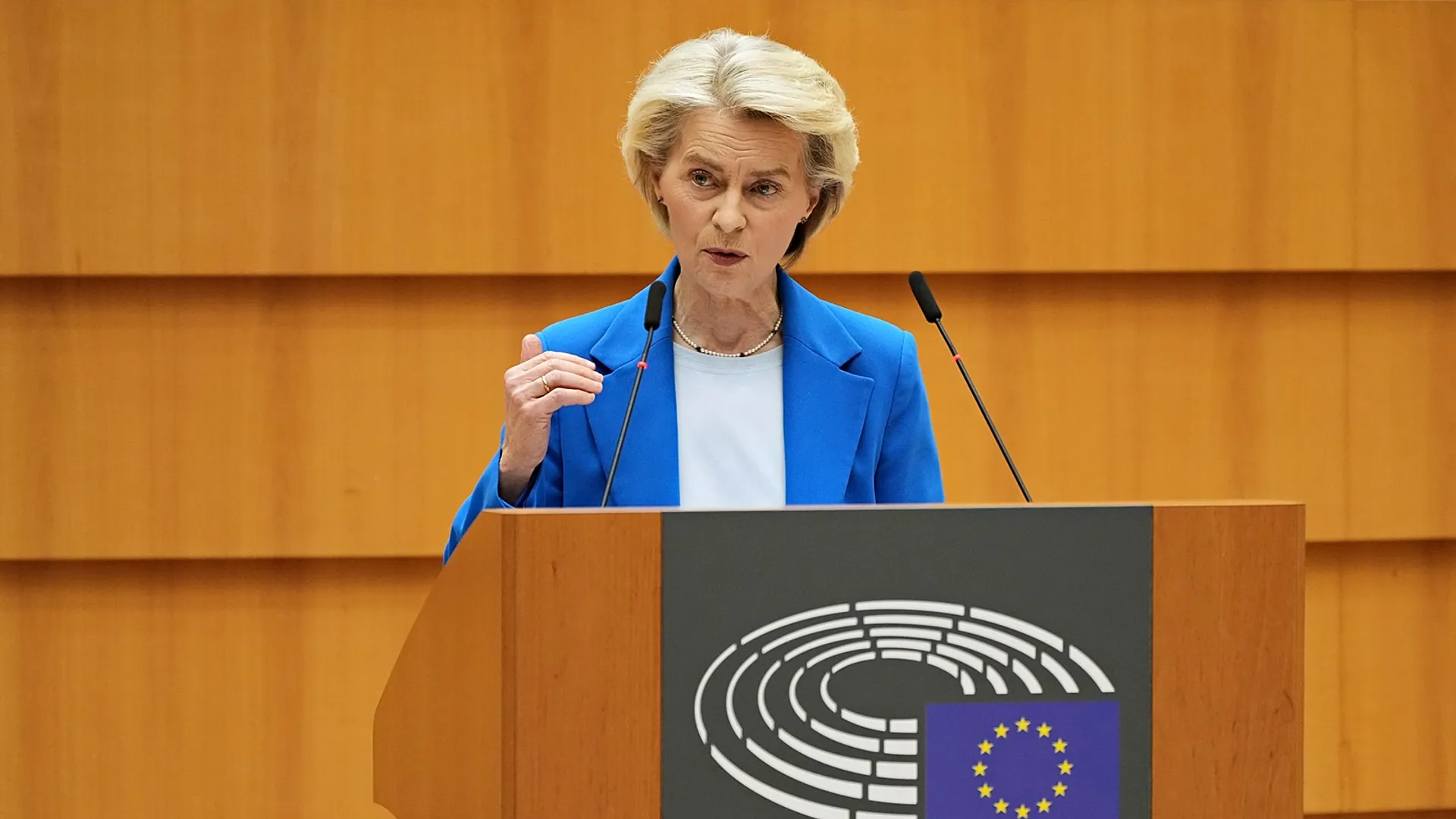
Presenting the measures on Friday, Commission President Ursula von der Leyen said tougher pressure was necessary to force Russia into serious negotiations. “Russia will only come to the table with genuine intent if it is pressured to do so. This is the only language Russia understands,” she said, accusing the Kremlin of continuing deliberate strikes on civilian infrastructure in Ukraine.
The centrepiece of the package is a proposed blanket ban on EU maritime services for vessels carrying Russian crude oil. The measure would prohibit EU companies from providing insurance, shipping, port access or related services to any tanker transporting Russian oil, regardless of the price at which it is sold. Until now, such services have been permitted for shipments complying with the G7 price cap, which was introduced in December 2022 and recently adjusted to $44.10 per barrel.
If adopted, the ban would effectively render the price cap inapplicable within the EU, as all Russian oil shipments would be denied services. Finland and Sweden, which have previously advocated the move, argue it would be easier to enforce, raise costs for Russia’s oil sector and reduce the use of falsified documentation to bypass sanctions. The proposal would require unanimous approval by all 27 EU member states, and securing the participation of the UK — a global leader in maritime insurance — would be seen as critical.
Von der Leyen said similar restrictions would apply to the servicing and maintenance of Russian liquefied natural gas (LNG) tankers and icebreakers. EU member states have already agreed to phase out all imports of Russian LNG by the end of the year.
The package would also expand the blacklist of Russia’s so-called “shadow fleet” — ageing tankers used to evade sanctions — by adding 42 vessels, bringing the total number of sanctioned ships to 640.
Beyond energy, the Commission proposes sanctions on 20 Russian regional banks, as well as companies and platforms involved in cryptocurrency trading, which Brussels says Moscow has used to circumvent financial restrictions and establish alternative payment systems. Imports of Russian metals, chemicals and critical minerals worth about €570 million would be restricted, alongside the introduction of a quota on ammonia used in fertiliser production. EU exports of rubber, tractors and cybersecurity services to Russia would also be banned.
For the first time, the Commission plans to activate its Anti-Circumvention Tool, introduced in 2023, to block sales of certain machinery and radio equipment to third countries deemed at high risk of re-exporting the goods to Russia.
Brussels aims to secure approval of the sanctions package by February 24, marking four years since the start of Russia’s full-scale invasion of Ukraine. Von der Leyen and European Council President António Costa are expected to visit Ukraine on that date to reaffirm EU support.
The announcement comes amid renewed diplomatic efforts involving Ukraine, Russia and the United States, including recent talks in Abu Dhabi that resulted in an agreement to exchange prisoners of war but delivered little progress toward a ceasefire. US Treasury Secretary Scott Bessent said additional American sanctions on Russia were “under consideration”, underscoring that Western pressure on Moscow could still intensify if negotiations stall.