BRUSSELS (Realist English). After a week in which Washington publicly rebuked the European Union on issues ranging from migration to regulation, EU capitals are reassessing the durability of the transatlantic partnership — and increasingly disagreeing on how to respond.
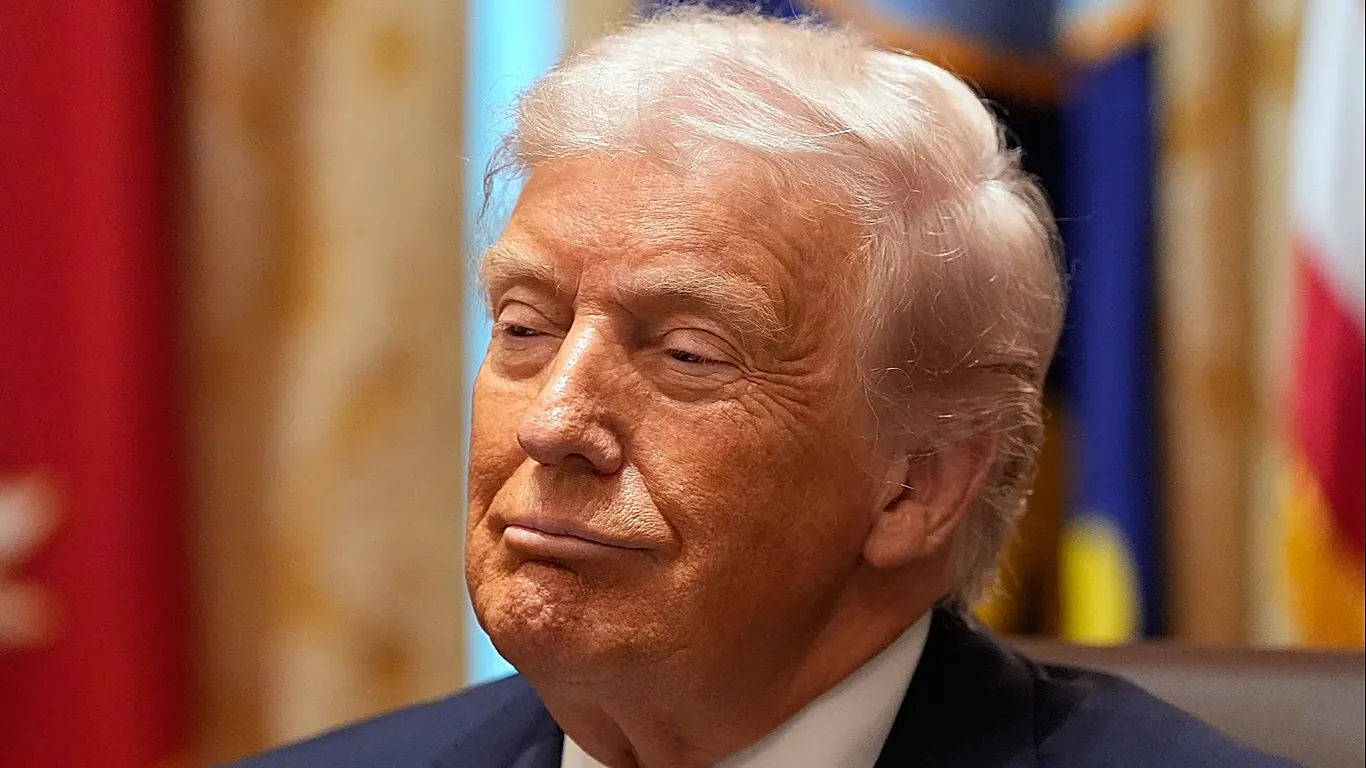
“It’s not a beating, it’s a pounding,” one European diplomat told Euronews, describing the intensity of criticism directed at the bloc by President Donald Trump’s administration.
The confrontation began with the release of the U.S. National Security Strategy, which warned the EU to reverse course on key policies or risk “civilisational erasure.” The document triggered immediate diplomatic tension, widening a rift between two partners already divided over global governance, trade and the war in Ukraine.
The clash then went global when Elon Musk, reacting to a €120mn EU fine for violating digital regulations, called EU leaders “commissars” and said the bloc was “no longer a democracy.” Trump echoed Musk’s rhetoric, calling the Commission’s decision “nasty” and accusing Europe of “going in a bad direction.”
Several European diplomats said the remarks resembled foreign meddling rather than security commentary. They argued that the Musk fine — modest compared with penalties previously imposed on Big Tech, such as the €2.95bn sanction against Google — was being politicised in Washington.
A widening strategic divide
At the heart of the dispute is a growing mismatch in worldview. The EU still sees itself as a defender of multilateralism, rules-based trade and international law. Trump’s second-term agenda is rooted in “America First” — privileging tariffs, bilateral deals and power politics.
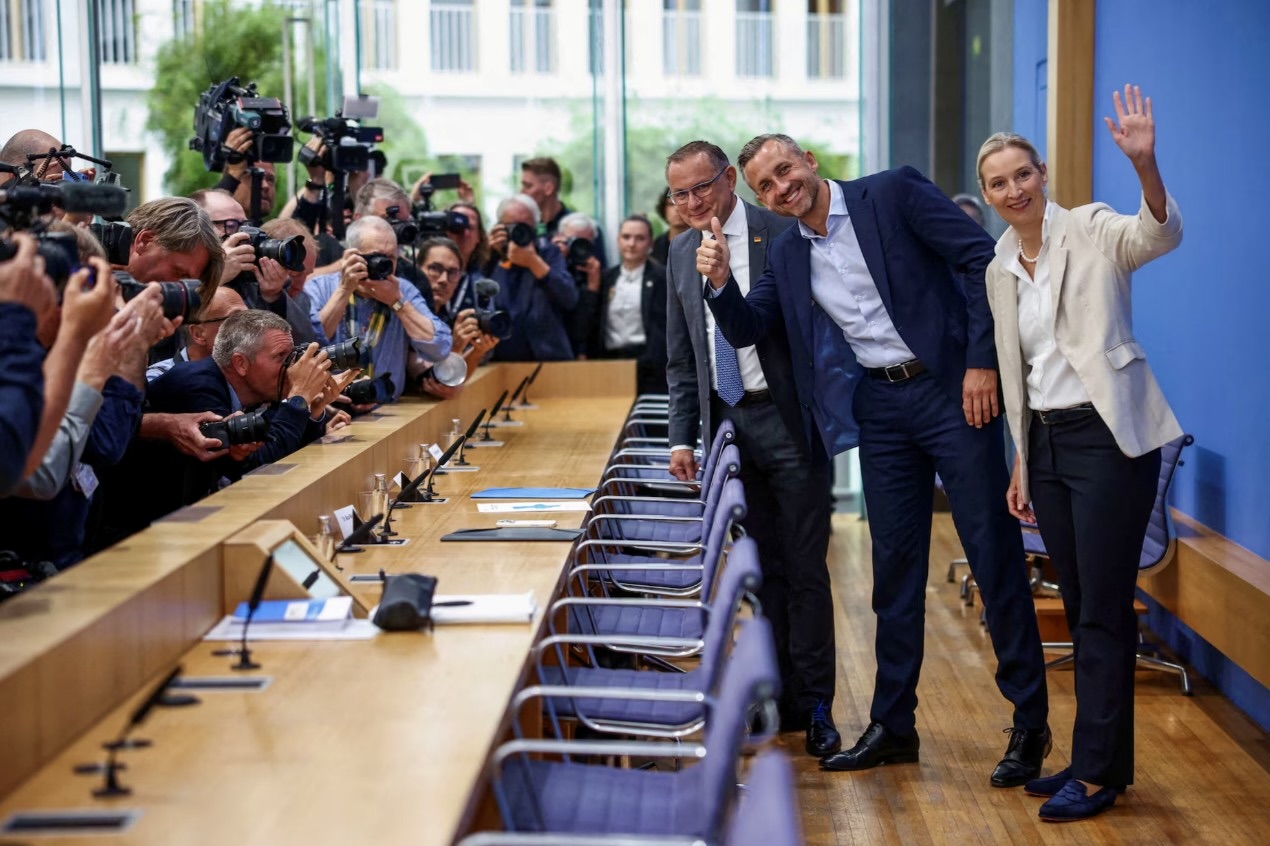
The new U.S. strategy explicitly calls for cultivating ties with Europe’s “patriotic parties,” widely interpreted as a reference to conservative forces hostile to EU institutions. Trump’s closest European allies include Hungary’s Viktor Orbán and Italy’s Giorgia Meloni, though their approaches to Brussels differ sharply.
In practice, Washington is pressuring Europe to “stay Europe,” meaning to roll back supranational regulation and curb the authority of EU institutions — while aligning strategically with U.S. priorities.
European officials warn that such a strategy carries political costs.
European Council President António Costa delivered the strongest rebuke so far, saying that allies “do not interfere in each other’s internal democratic processes.” German Chancellor Friedrich Merz added that Europe’s democracy “does not need saving” and rejected several U.S. assertions as “unacceptable.”
Former EU foreign policy chief Josep Borrell, known for his bluntness, accused Washington of encouraging a fragmented, nationalist Europe subordinated to U.S. interests. European leaders, he said, must “assert our sovereignty and stop pretending President Trump is not our adversary.”
A fractured response from Brussels
Despite widespread irritation, there is no unified EU response. Commission President Ursula von der Leyen has avoided addressing either the U.S. strategy or the Musk dispute. Brussels has largely sought to de-escalate in order to preserve cooperation at a time when Ukraine’s fate is at stake.
That approach contributed to the EU accepting a lopsided trade deal this summer, tripling U.S. tariffs on EU exports to 15% while Washington cut duties on most American industrial goods. Critics called the deal humiliating; the IMF praised it as a pragmatic choice.
Yet the concessions have not given Europe greater influence in U.S. diplomacy with Moscow or Kyiv. American officials have repeatedly suggested Europe’s expectations of the war are “unrealistic.”
Meanwhile, Europe’s far right — ideologically aligned with Trump — has refrained from criticising the administration, praising its hard line on migration and its “anti-woke” agenda.
Toward strategic autonomy?
For many EU policymakers, the events of the past week reinforce a longstanding argument: Europe must take greater responsibility for its own defence, economy and geopolitical posture.
“We need to be more independent in our defence capabilities and in our geopolitical standing,” said Andrius Kubilius, the EU commissioner for defence. “We need to overcome the mindset that we must wait for Washington to set the plan.”
For a bloc long accustomed to relying on U.S. leadership, that path remains largely uncharted — and unity on how to navigate it is far from guaranteed.