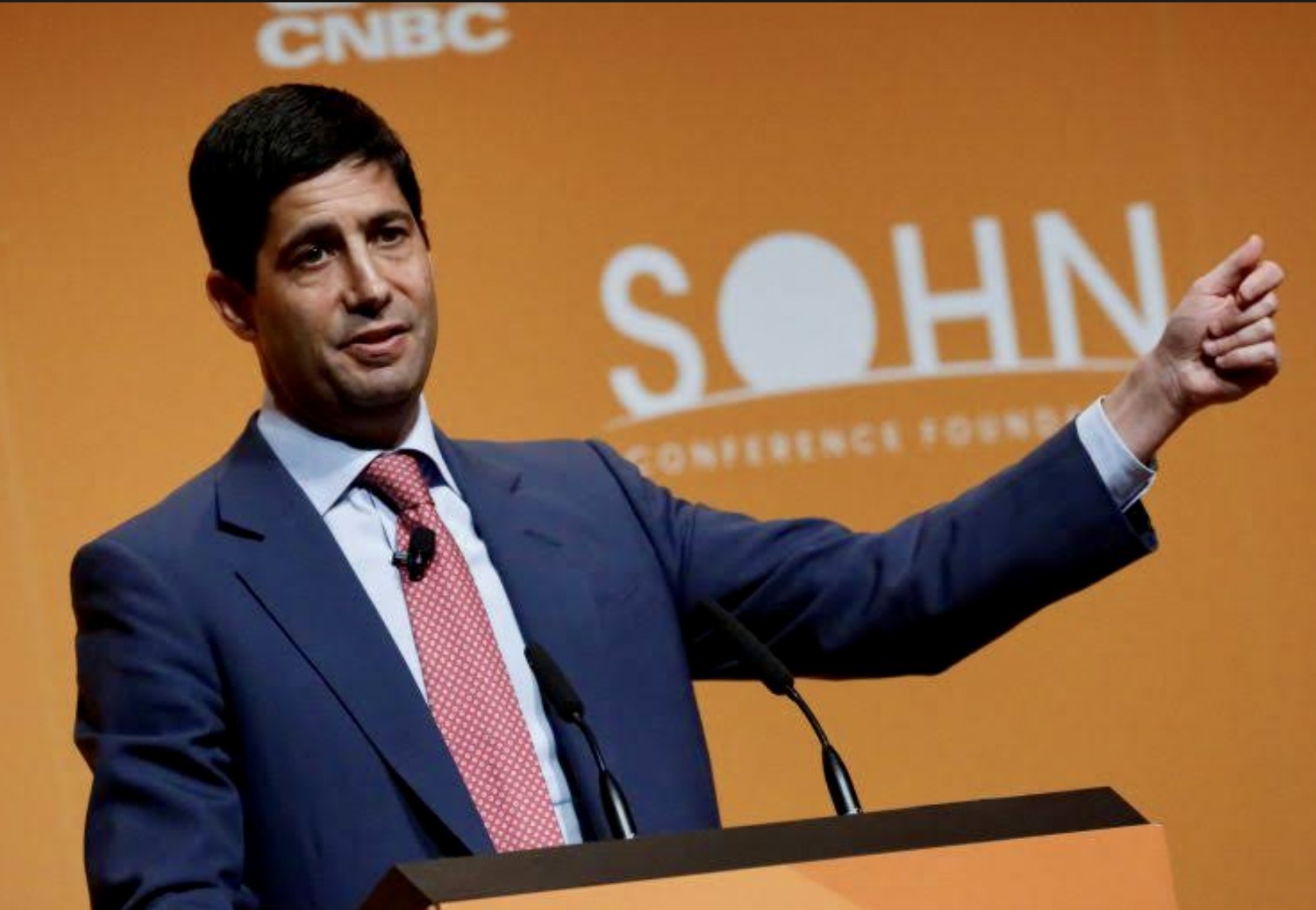
WASHINGTON (Realist English). Former US Energy Secretary (2019–2021) Dan Brouillette told CNN that the US-Iran memorandum of understanding, signed by President Donald Trump on June 17, is a “potential gamechanger” for Iran’s war-battered economy. At the same time, he expressed concern that the agreement might be “too generous” to Tehran.
Brouillette, now a distinguished visiting fellow at Columbia University’s Center on Global Energy Policy, noted that the US naval blockade had been “very effective” in forcing Iran to the negotiating table by piling pressure on its economy. Inflation in Iran has skyrocketed above 50%, unemployment is rampant, and basic goods are in short supply.
“The people of Iran need to be optimistic about their future,” Brouillette said. “Part of being optimistic is that they’re going to have some of this infrastructure rebuilt, so they have an economic future.”
‘Too generous’ to Iran
The framework agreement has sparked bipartisan backlash in the US. Former Vice President Mike Pence called the deal “appeasement,” while Republican Senator Bill Cassidy described it as the “worst foreign policy blunder in decades.”
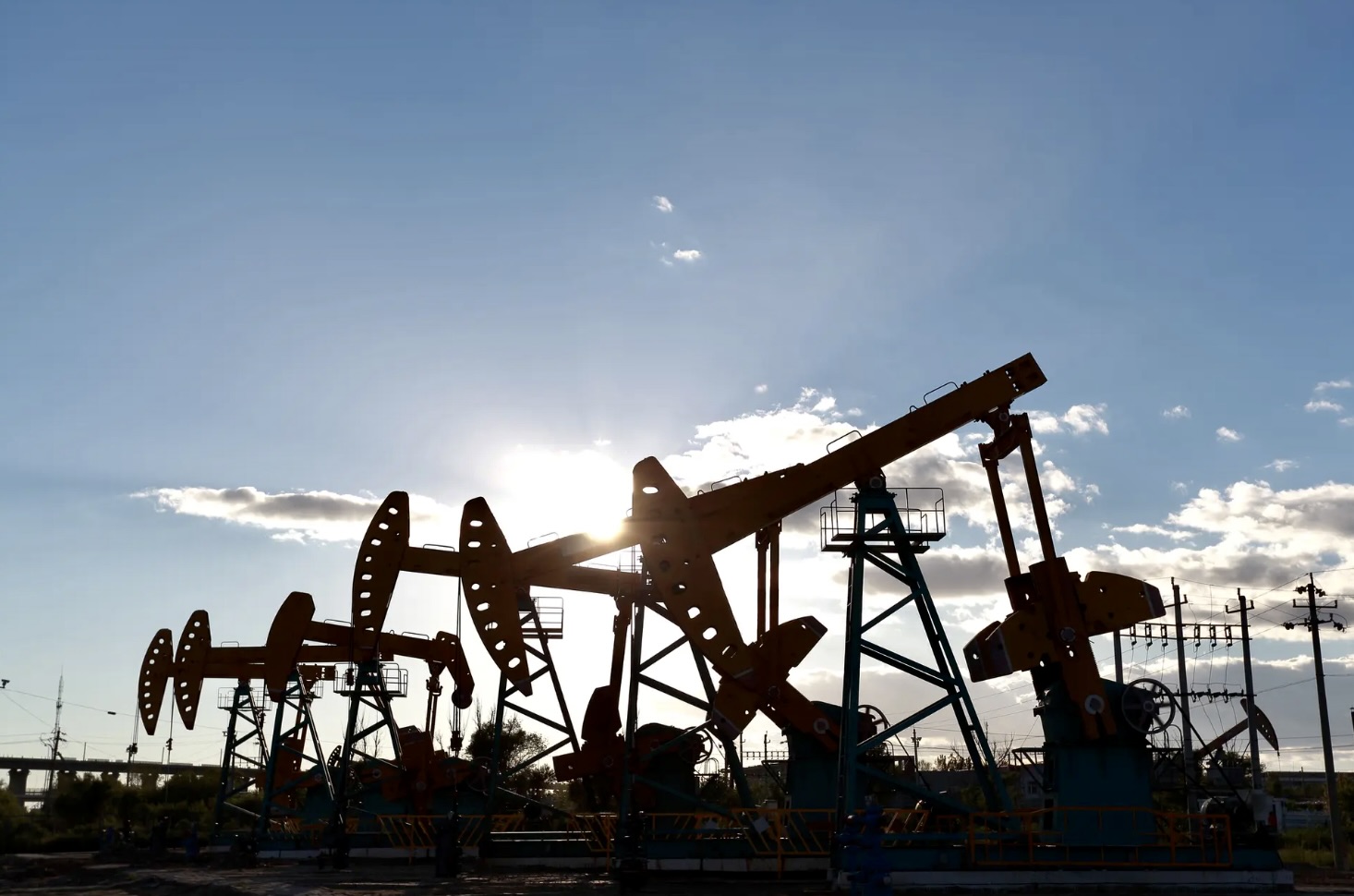
Brouillette shares these concerns, noting that the agreement, in his view, is “a little too generous” to Iran, as it gives Tehran “certain things upfront,” including the right to immediately sell oil. Estimates suggest that oil and fuel exports could generate up to $60 billion a year for Iran.
“In the past, Iran used its financial resources to fund organisations that were adversarial to their neighbours in the region, as well as to the United States,” Brouillette reminded. “We’re going to have to keep an eye on that. If they return to funding proxies around the world again, I say all bets are off.”
Trump warns of ‘bedlam’
US officials have stressed that the framework is performance-based, and Iran’s new ability to sell oil could be rolled back if negotiations are not productive. Vice President JD Vance said on June 18: “As they dial up their good behaviour, we can dial up the economic relief. If they dial down their good behaviour, we can turn it off.”
Brouillette, who currently co‑chairs the law firm Torridon Law, admitted he would have done things differently: “Perhaps I would have done things a little differently… I want to see more performance, if you will, before I would release sanctioned funds or create some new fund for the rebuilding of Iran.” However, he stressed that he is not at the negotiating table and is only watching from the “cheap seats.”
Trump said on June 17 that if the war had continued, there would have been an “economic catastrophe” on the scale of 1929. “We run out of reserves in about four weeks,” he said. “There would be a time when you wouldn’t be able to get it, and you want to see bedlam?”
Oil stockpiles dangerously low
Brouillette suggested that shrinking oil reserves – both commercial and emergency stockpiles – likely pressured US officials to reach a deal. “That situation is real,” he said. “They’re not forever reserves, you know? If you’re drawing down on them, at some point you do reach a point of no return.”
Stockpiles at the critical hub of Cushing, Oklahoma, have plunged to the bare minimum needed to operate. “We’re getting dangerously close to that pressure point where we can’t get it out,” Brouillette warned, adding that reserves must be quickly refilled.
US intelligence agencies have recently concluded that Iran can effectively shut down access to the Strait of Hormuz at will from now on. Brouillette said he hopes Iran won’t try to close the strait again, but conceded: “Can they do it again? Yeah, of course they can. I mean, it’s in their backyard.”
Israel strikes despite peace agreement
While diplomats tried to agree on an agenda, the Israeli army struck Hezbollah targets in southern Lebanon. According to Lebanese authorities, at least 18 people were killed and 33 wounded. Among the dead were eight civilians in an airstrike on Khoruf.
The Israeli military said the attacks were a response to “repeated violations of the ceasefire regime” by Hezbollah. Four Israeli soldiers were killed in clashes in southern Lebanon. The escalation came as Prime Minister Benjamin Netanyahu said Israel would not withdraw its troops from southern Lebanon. National Security Minister Itamar Ben‑Gvir called for “burning all of Lebanon.”
Growing US‑Israel rift
Relations between the US and Israel have reached a boiling point. According to media reports, President Trump used profanity against Netanyahu in phone calls, blaming him for endangering the entire agreement with the escalation in Lebanon. Vice President Vance also publicly criticised Israeli operations in Lebanon, calling some attacks “unacceptable.”
Israel, which was completely excluded from the negotiating process, has distanced itself from the US‑Iran agreement and continues to act unilaterally.
60 days to save the deal: what’s next?
Under the signed memorandum, the parties have 60 days (until August 17) to reach a final agreement. During this time, they must determine the fate of Iran’s nuclear programme, the mechanisms for lifting sanctions, and the long‑term status of the Strait of Hormuz. However, many experts doubt that this is enough time: the 2015 nuclear deal took about two years.
While diplomats prepare for new rounds of talks, Israeli aircraft continue to bomb Lebanon, and Tehran insists that the ceasefire must extend to all fronts. The question is whether the fragile truce can withstand the pressure of regional contradictions, or whether “60 days of peace” will turn into “60 days of war.”