MOSCOW (Realist English). Russia is strengthening its ties with Asia through the summit with ASEAN, while simultaneously preparing for the new harvest season and a monetary policy manoeuvre.
Europe is demonstrating duality — European Council President António Costa has spoken out in favour of restoring communication channels with Moscow, while the EU has unprecedentedly extended sanctions for a full year.
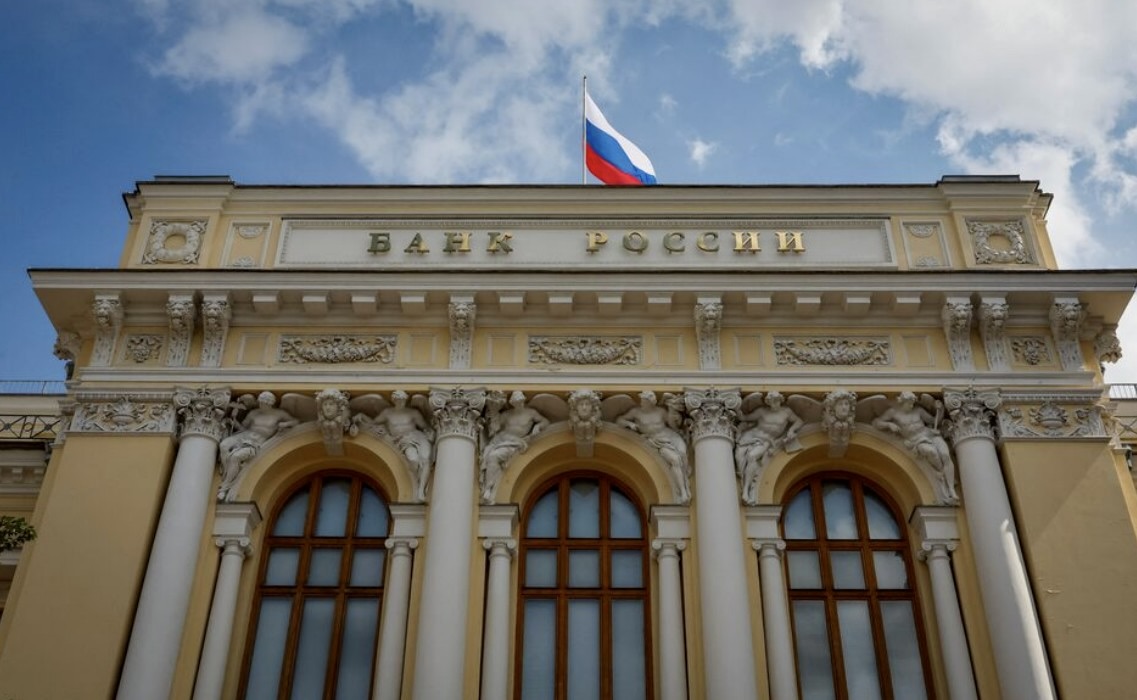
Meanwhile, the Central Bank under the leadership of Elvira Nabiullina is preparing to make its next decision on the key interest rate.
Costa swimming against the tide: why the European Council needs a channel with Russia
Against the backdrop of routine anti‑Russian rhetoric in Brussels, an unexpected diplomatic démarche has occurred. European Council President António Costa personally initiated the resumption of limited diplomatic contacts with Moscow, causing bewilderment and even indignation among some EU leaders.
On June 19, Costa publicly explained his decision: he instructed his office to open a diplomatic channel with Russia so that “when the right moment comes, we will be ready to defend the EU’s interests.”
According to him, these are brief contacts necessary to maintain a channel of communication.
Since 2022, the EU has effectively refused direct negotiations with Russia, and Costa’s actions represent a departure from this course. Contacts, according to anonymous sources, took place in recent weeks. Politico reported on Costa’s secret calls to the Kremlin, which displeased a number of EU leaders. At the same time, Costa’s office stated that the contacts had the sole purpose of establishing a communication channel to allow for more substantive talks in the future.
Moscow, for its part, views this gesture as a sign that even amid the sanctions war, European elites are beginning to recognise the need for dialogue.
EU extends restrictions for a year for the first time
While Costa was defending the diplomatic channel, the leaders of the 27 EU countries at the Brussels summit unanimously adopted an unprecedented decision — to extend economic sanctions against Russia for a full year, until July 31, 2027. Previously, restrictions were extended for a maximum of six months. Formal approval of the decision is expected next week at the level of EU foreign ministers. Notably, the new sanctions package is set to include 90 banks.
Russian Foreign Minister Sergey Lavrov has already said that Russia is successfully coping with current Western sanctions and is ready to withstand any new restrictions. However, the very fact that the EU has gone for an unprecedented one‑year extension indicates Brussels’ intention to maintain pressure on Moscow in the long term, despite individual voices in favour of dialogue.
Kazan Summit: Russia strengthens its position in Asia
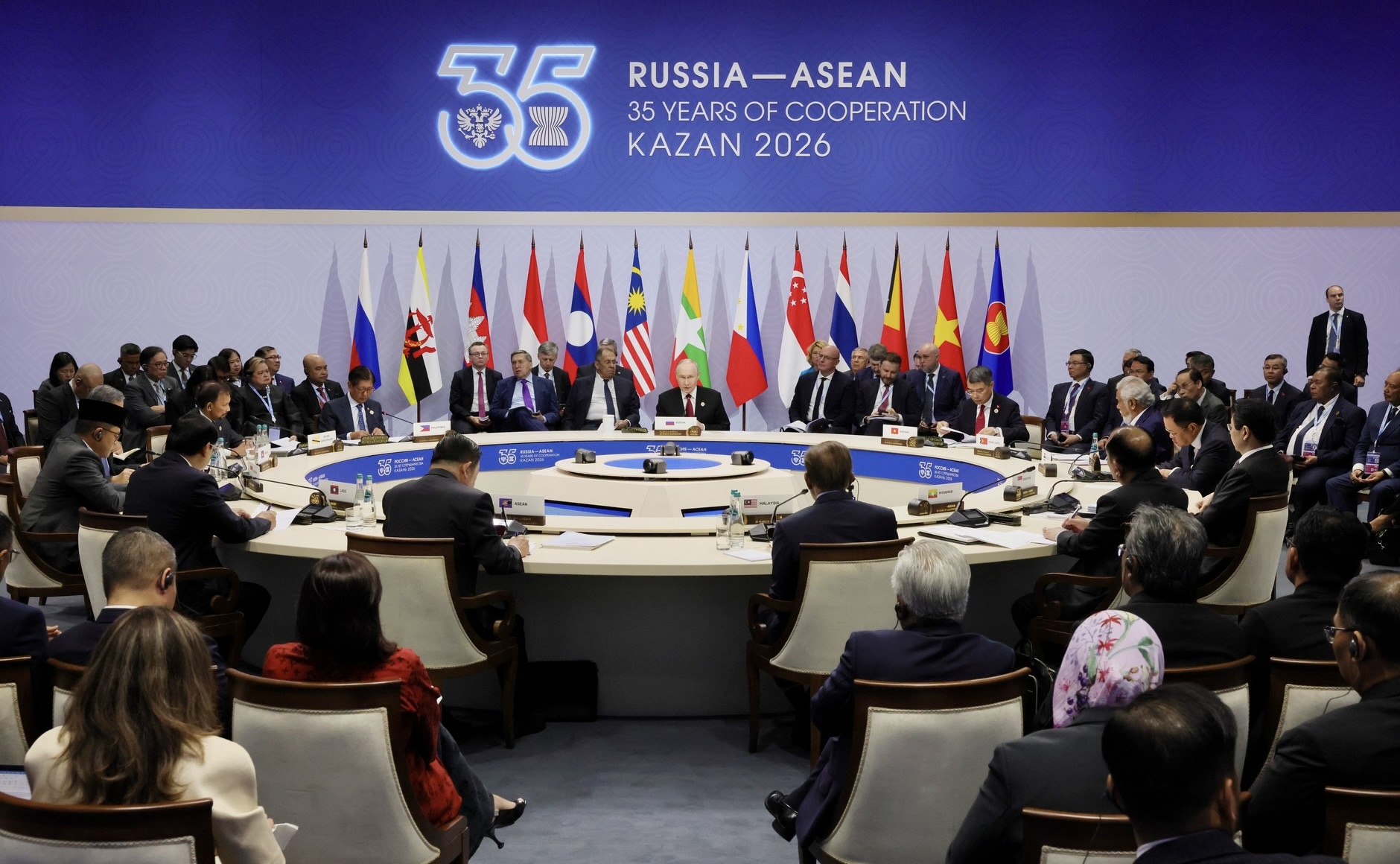
While Brussels was toughening its sanctions rhetoric, Kazan hosted the anniversary Russia‑ASEAN summit, marking the 35th anniversary of the establishment of relations. The event, held on June 17–19, became a vivid demonstration of Moscow’s pivot to the East.
President Vladimir Putin said at the plenary session that Russia and ASEAN “stand for the formation of a fair system of world order, uphold the principles of sovereign equality of states and non‑interference in internal affairs.” He also called for switching to settlements in national currencies, removing trade barriers and simplifying administrative procedures.
Following the summit, four key documents were signed that determine the development of the strategic partnership through 2030:
- The Kazan Declaration, which enshrines common approaches to a multipolar world order;
- The Comprehensive Plan of Action for 2026–2030 to implement the strategic partnership;
- A Joint Statement on Cooperation in the Energy Sector;
- A Joint Statement on Cooperation in the Cultural Sphere.
Russian Energy Minister Sergei Tsivilev said that Russia and ASEAN had agreed on a work plan for energy for the period 2026–2030. In the joint statement, the parties pledged to expand cooperation in the oil and gas sectors, as well as in the areas of liquefied natural gas and electricity, diversify energy supplies and strengthen crisis preparedness.
Particular attention is paid to renewable energy sources, including hydropower, bioenergy, hydrogen and nuclear energy. Relations between Russia and ASEAN, as the president noted, have the character of a strategic partnership that is a stabilising factor in the face of geopolitical turbulence.
Harvest 2026: optimistic forecasts despite sanctions
On the food front, contrary to pessimistic expectations, the situation looks encouraging. As of June 19, forecasts for Russia’s grain harvest in the new season show steady growth. The International Grains Council (IGC) has raised its forecast for Russian wheat production. The US Department of Agriculture (USDA) raised its forecast by 2 million tonnes to 88 million tonnes.
Rusagrotrans Analytical Centre estimates the wheat harvest in the 2026/27 season at 91–95 million tonnes, with a crop of 95 million tonnes possible under favourable conditions. Rosselkhozbank, in its baseline scenario, allows for a grain harvest of 146–150 million tonnes. These figures allow Russia to maintain its status as one of the world’s largest grain exporters, despite sanctions pressure and logistical constraints.
Central Bank sets course for rate cut
The culmination of the week was the meeting of the Bank of Russia Board of Directors on June 19, at which the return of Governor Elvira Nabiullina to public work after sick leave was expected. Nabiullina, who missed the St. Petersburg International Economic Forum and several other events, was due to address the media after the meeting.
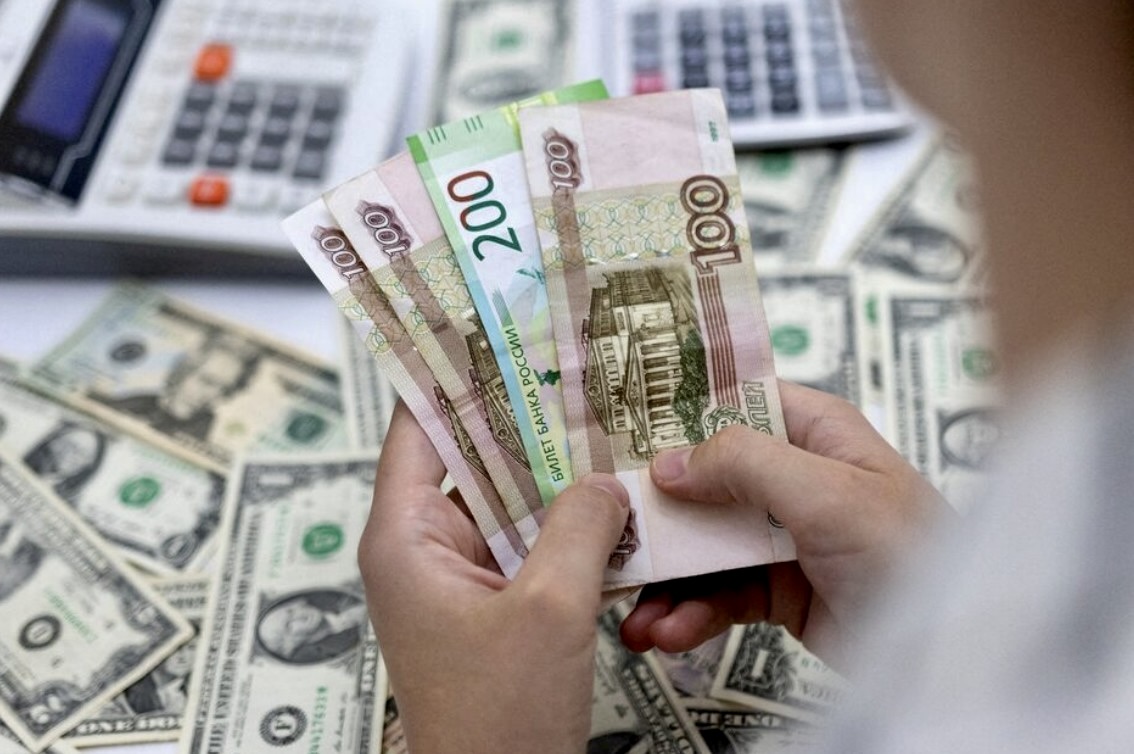
Analysts expected the key rate to be cut by 0.25–0.5 percentage points to 14%. A further 50‑basis‑point cut would have been the eighth consecutive cut from the peak of 21%.
However, some experts, notably former Economy Minister Andrei Nechaev, called a one‑percentage‑point cut unlikely. Meanwhile, according to First Deputy Governor Alexei Zabotkin, the scope for lowering the rate has not yet increased.
Against the backdrop of inflation slowing to 5.31% in May, a continuation of the monetary policy easing cycle was a logical step for the regulator. However, as experts note, Nabiullina has recently faced incredible pressure: the Central Bank has been pushed too actively to cut the key rate. This calls into question the full independence of the regulator ahead of a new political cycle.